How to Prepare Your Devices for Recycling in Australia
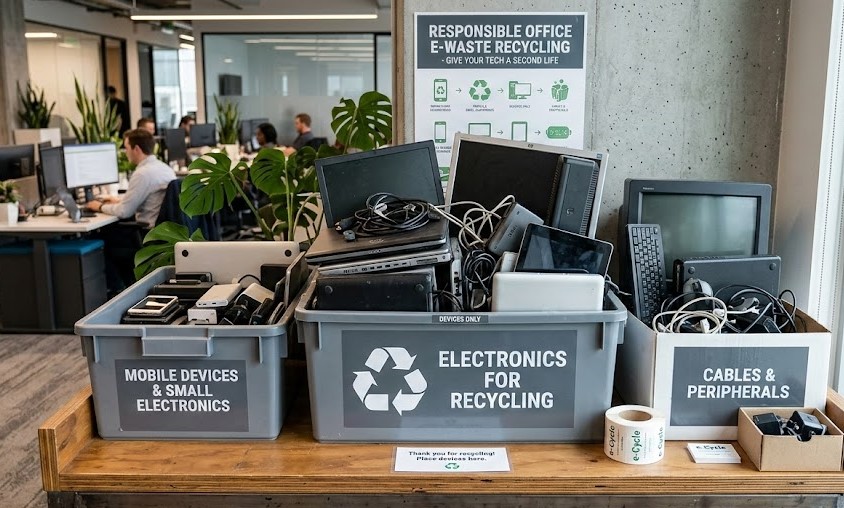
When it’s time to upgrade your office technology, proper preparation is essential before sending devices for e-waste recycling Australia services. From protecting sensitive information to ensuring safe handling, following the right steps helps your business stay secure, compliant, and environmentally responsible.
Here’s a simple step-by-step guide from the team at Cyber Recycling.
1. Back Up Important Data
Before recycling any device, make sure all important files are backed up. This includes:
- Business documents
- Client records
- Financial data
- Emails and cloud-synced files
Store backups securely on encrypted drives or approved cloud platforms.
2. Log Out of Accounts & Remove Access
Sign out of all business accounts and remove device authorisations. This step is especially important for:
- Laptops and desktops
- Mobile phones and tablets
- Servers and network storage
Also, deactivate device tracking software where applicable.
3. Arrange Professional Data Destruction Services
Deleting files manually is not enough. Sensitive data can still be recovered if not erased properly.
Professional data destruction services ensure:
- Secure data wiping using certified software
- Physical hard drive shredding (if required)
- Compliance with Australian privacy regulations
- Certificate of data destruction for audit records
For businesses, certified data destruction is critical to prevent data breaches and protect client information.
4. Remove External Accessories
Before collection:
- Remove USB drives
- Take out SD cards
- Disconnect external hard drives
- Separate batteries if required
Keep reusable accessories that are still in good condition, or recycle them properly as well.
5. Keep Devices Intact (Don’t Dismantle Them Yourself)
Avoid breaking apart computers, monitors, or printers. Many electronic components contain hazardous materials. Professional recyclers are trained to dismantle equipment safely during the e-waste recycling process in Australia.
6. Organise and Label Equipment for Collection
If you’re recycling multiple devices:
- Group similar items together
- Label equipment clearly
- Create a simple inventory list
This makes pickup efficient and ensures accurate reporting for compliance purposes.
7. Choose a Certified E-Waste Recycling Provider
Working with an experienced provider like Cyber Recycling ensures:
- Secure collection services
- Responsible recycling practices
- Full data sanitisation
- Environmental compliance
- ESG and sustainability reporting support
A certified recycler ensures your equipment is processed ethically, with valuable materials recovered and hazardous components disposed of safely.
Why Proper Preparation Matters
Preparing devices correctly before recycling helps:
- Protect your business from data breaches
- Reduce environmental impact
- Support Australia’s circular economy
- Maintain compliance with privacy laws
- Strengthen your company’s sustainability goals
Responsible e-waste recycling in Australia isn’t just about disposal — it’s about security, compliance, and environmental leadership.
Ready to recycle your old IT equipment the right way? Contact Cyber Recycling today to book a secure pickup and take the next step toward safer, smarter e-waste management.
 Copy Link
Other Blog

Data Protection Risks and How to Mitigate…
09-21-2026
How much data does your business have sitting on its systems right now? Think about customer details. Employee…
Secure Data Destruction: A Complete Guide for…
09-21-2026
Every business laptop, server, USB drive and phone that has ever held customer records or financial data becomes…
What Records Should Businesses Keep When Disposing…
08-20-2026
Australian businesses disposing of IT equipment must retain financial tax invoices, asset depreciation schedules, serialised Certificates of Data…