Recycling
Stay informed on e-waste recycling methods, laws, and sustainability practices.
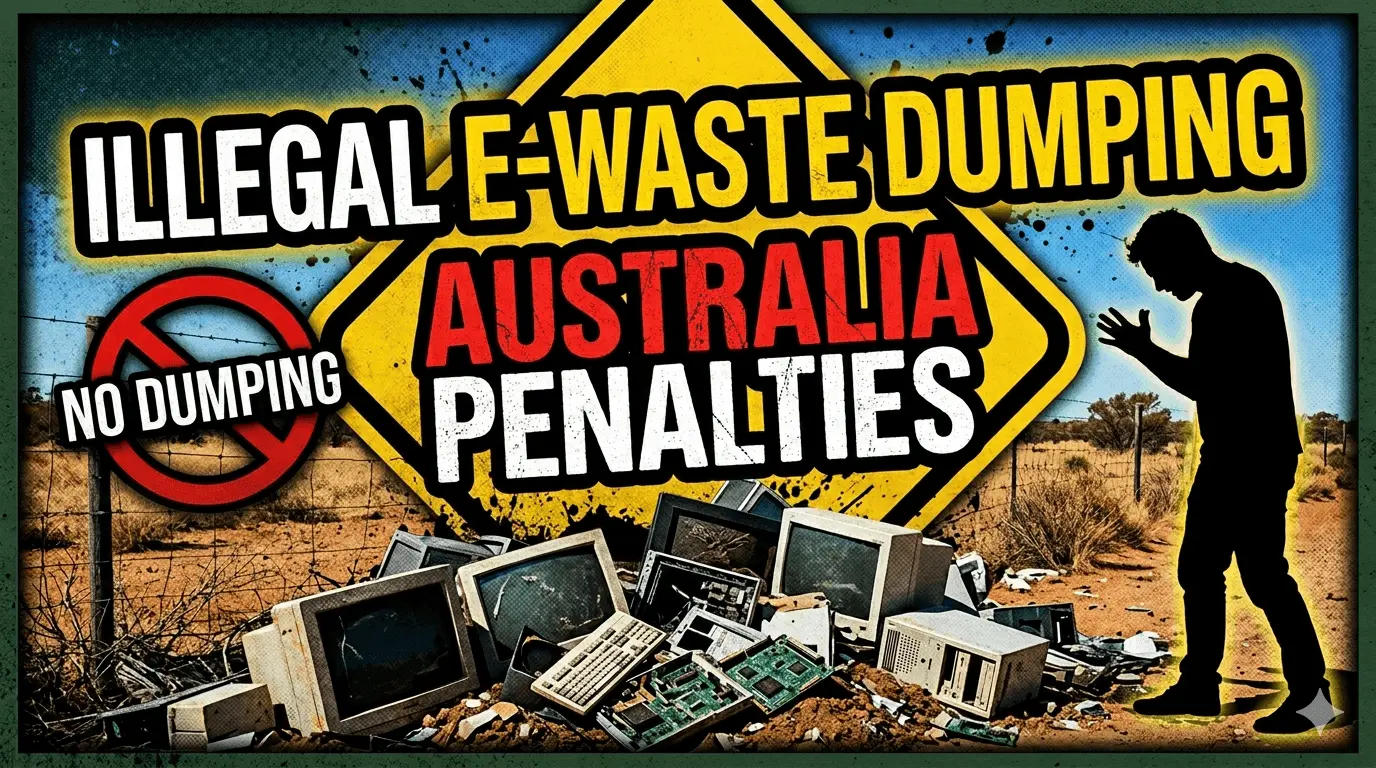
Electronic waste is one of Australia’s fastest-growing waste streams. Every year, thousands of tonnes of old computers, laptops, monitors, printers, hard drives, and other electronic devices reach the end of their life. Unfortunately, not all of this waste is disposed of responsibly. Illegal e-waste dumping remains a serious problem across Australia. Whether it is dumped on vacant land, in bushland, industrial areas, or general waste bins, improper disposal can lead to significant environmental damage and legal consequences. At Cyber Recycling, we help businesses and organisations dispose of electronic waste securely and in line with Australian regulations. Understanding the penalties for illegal e-waste dumping is the first step towards better compliance and environmental responsibility. What is Illegal E-Waste Dumping? Illegal e-waste dumping occurs when electronic devices are discarded in places that are not authorised for waste disposal or recycling. This can include: Dumping old computers in public spaces Leaving electronic equipment on vacant land Placing banned e-waste items in landfill bins Abandoning IT assets without proper disposal Disposing of electronics without following local regulations Many businesses are unaware that simply throwing electronic equipment into a general waste bin may breach state waste management laws. Why E-Waste Cannot Be Dumped Electronic devices […]
Electronic waste (e-waste) is one of the fastest-growing waste streams in Australia. As more households and businesses upgrade their TVs, computers, and IT equipment, responsible recycling has become more important than ever. One of the key initiatives helping Australians manage e-waste is the National Television and Computer Recycling Scheme (NTCRS). At Cyber Recycling, we believe understanding the NTCRS can help businesses and households make better decisions about disposing of old electronic equipment safely and sustainably. What is the NTCRS? The National Television and Computer Recycling Scheme (NTCRS) is an Australian Government-backed recycling program established in 2011. The scheme provides free access to e-waste collection and recycling services for households and small businesses across Australia. It is funded by manufacturers and importers of televisions, computers, and related electronic products. The main goal of the NTCRS is to reduce the amount of electronic waste sent to landfills, recover valuable materials, and ensure harmful substances found in electronics are managed safely. Why is the NTCRS Important? Electronic devices contain valuable materials such as aluminium, copper, steel, and plastics that can be recovered and reused. However, they may also contain hazardous substances that can harm the environment if disposed of incorrectly. The NTCRS helps […]
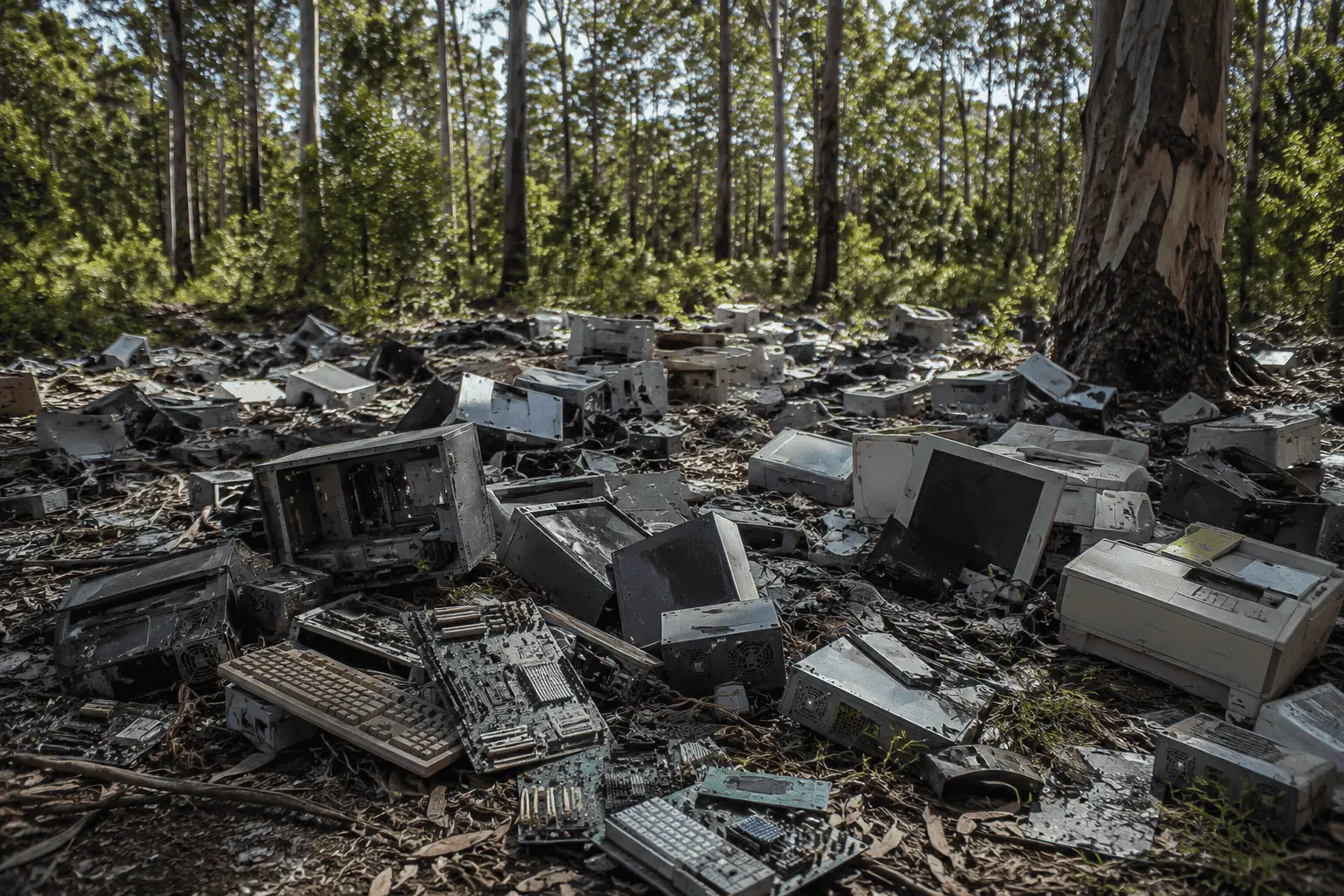
Extended Producer Responsibility (EPR) is a policy approach that makes manufacturers, importers, and brand owners responsible for the environmental impact of their products throughout their lifecycle, including when those products reach the end of their useful life. Traditionally, waste management costs were carried by local councils and taxpayers. Under EPR, producers share responsibility for collecting, recycling, recovering, or safely disposing of products after consumers no longer need them. The goal is simple: encourage businesses to design products that are easier to reuse, repair, and recycle while reducing the amount of waste sent to landfills. Why is EPR Important in Australia? Australia generates millions of tonnes of waste every year, including a significant amount of electronic waste. Old computers, monitors, laptops, printers, mobile devices, and other electronic equipment often contain valuable materials that can be recovered and reused. EPR helps create a more sustainable system by: Reducing landfill waste Increasing recycling and resource recovery Conserving natural resources Encouraging eco-friendly product design Reducing environmental pollution Supporting Australia’s circular economy goals As sustainability becomes a priority for governments, businesses, and consumers, EPR programs are expected to play an even greater role in Australia’s waste management strategy. What Manufacturers Must Do Under EPR Manufacturers […]
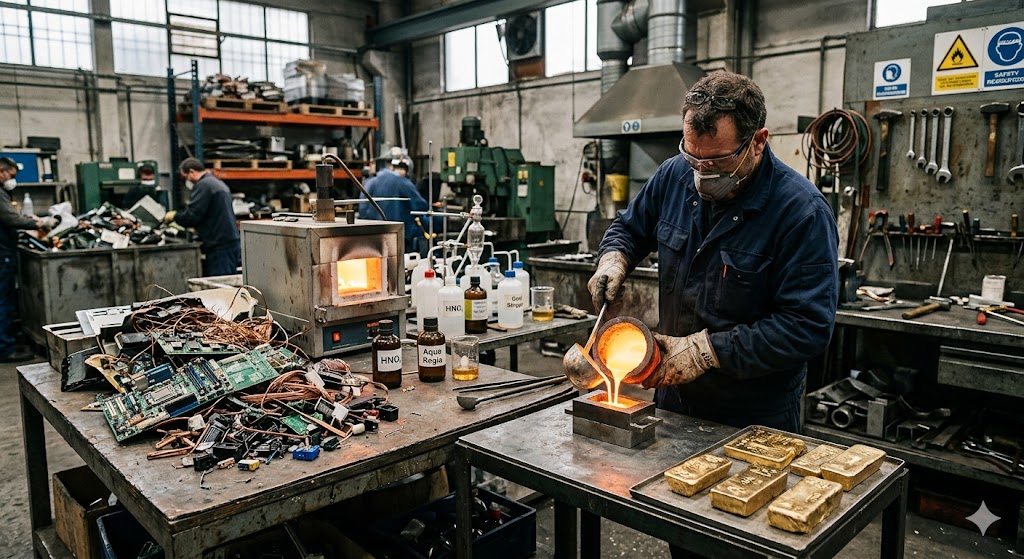
Electronic waste is one of the fastest-growing waste streams in the world. Old computers, mobile phones, circuit boards, servers, and other electronic devices contain valuable materials including gold, silver, copper, and palladium. Many people are surprised to learn that electronic waste can contain higher concentrations of gold than natural gold ore. This is why E-Waste Recycling has become an important industry for both environmental sustainability and resource recovery. But how exactly do recyclers turn e-waste into gold? Let’s explore the process of recovering gold from electronic waste and why responsible recycling matters. Why Electronics Contain Gold Gold is widely used in electronic devices because it: Conducts electricity efficiently Resists corrosion Performs reliably over time Small amounts of gold are commonly found in: Printed circuit boards (PCBs) CPUs and processors RAM modules Mobile phones Connectors and pins Telecommunications equipment Server hardware Although each device contains only tiny amounts of gold, large-scale recycling operations can recover significant quantities from bulk electronic waste. Types of E-Waste That Contain Gold Not all electronic waste contains the same amount of precious metals. Devices with higher gold content include: Older mobile phones Computer motherboards CPUs and processors Enterprise servers Networking equipment Industrial electronics High-grade circuit boards […]
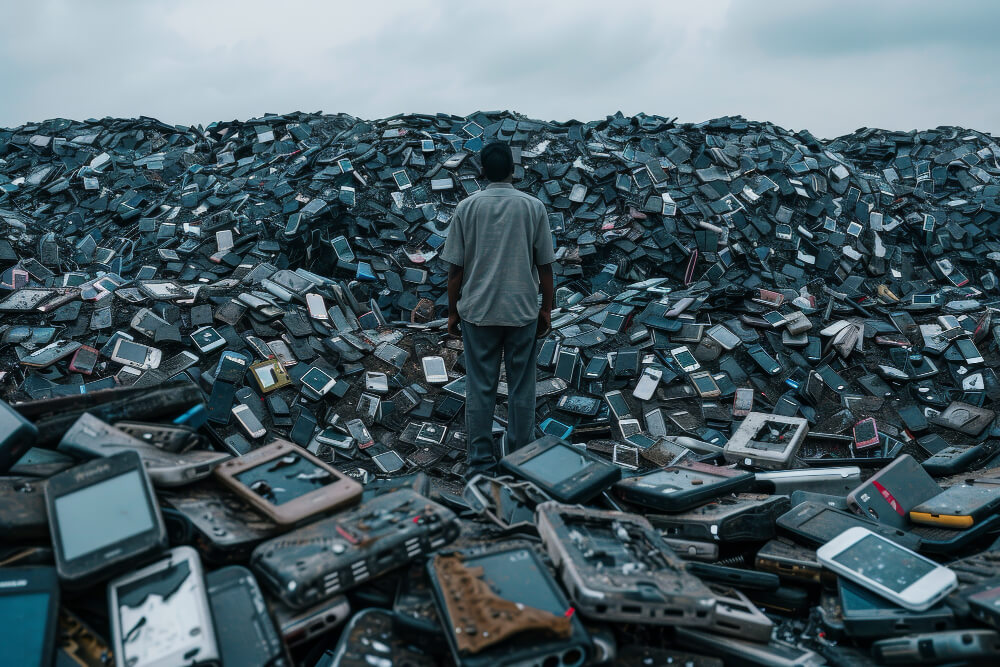
Old electrical items often end up forgotten in garages, cupboards, offices, or storage rooms. From broken laptops and outdated computers to unused phones, printers, batteries, and cables, electronic waste is growing rapidly across Australia. But throwing these items into general waste bins is not the solution. Electronic devices contain hazardous materials such as lead, mercury, and lithium batteries that can seriously harm the environment if disposed of incorrectly. At the same time, they also contain valuable recoverable materials including copper, aluminium, silver, and gold. Proper E-Waste Recycling helps recover these materials safely while reducing landfill waste and environmental damage. If you are wondering what to do with old electrical items in Australia, this guide explains the safest and most environmentally responsible options. Why You Should Never Throw Electrical Items Into General Waste Many Australians still dispose of old electronics in regular rubbish bins, but this creates serious environmental and safety risks. Electronic waste can release toxic substances into soil and groundwater when sent to a landfill. Batteries can also become fire hazards during waste collection and processing. Australia generates hundreds of thousands of tonnes of e-waste every year, making it one of the fastest-growing waste streams in the country. Proper […]
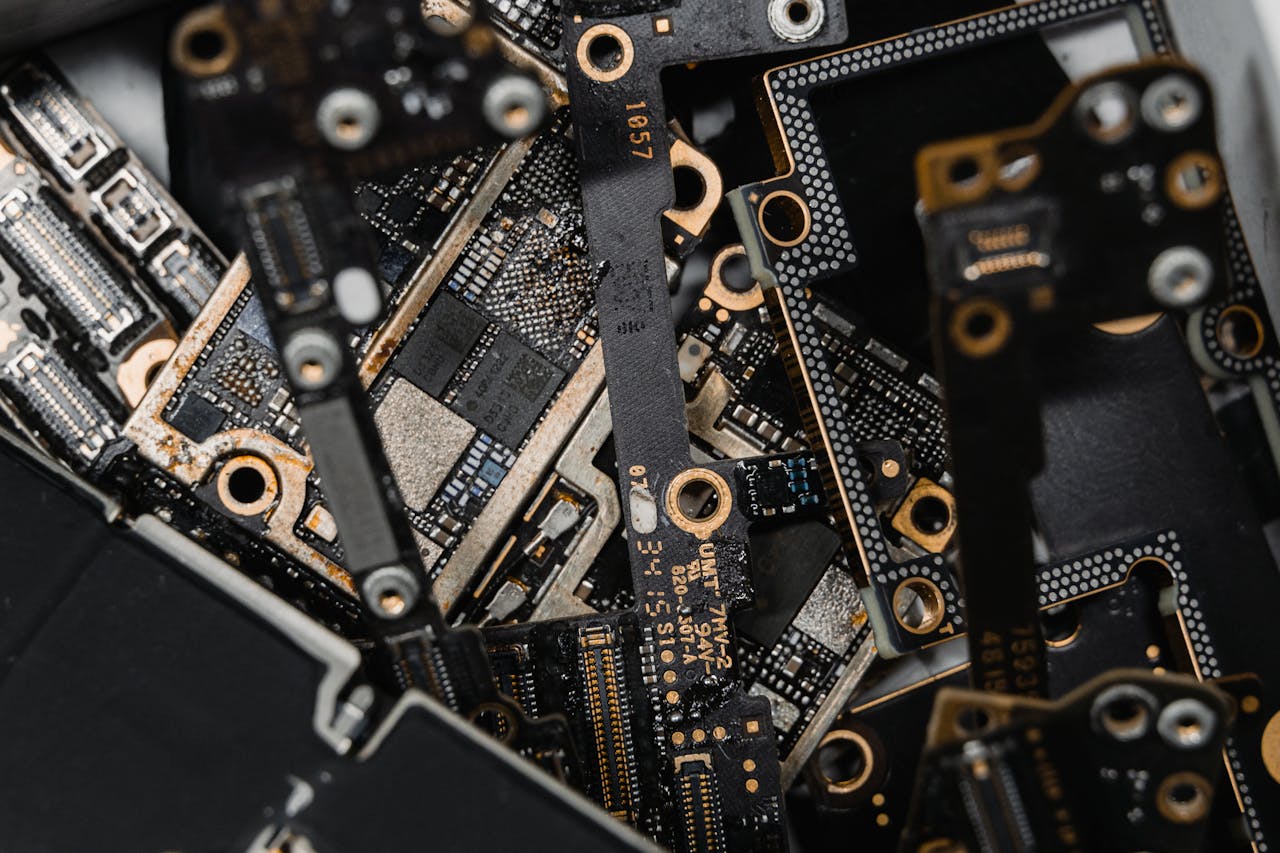
Curious about gold in electronic waste? Explore how much gold can be extracted from 1 kg of e-waste and why responsible recycling matters. In today’s digital world, electronic waste is growing faster than ever. Old laptops, mobile phones, CPUs, servers, and circuit boards are often thrown away without realising they contain valuable metals, including gold. Many people are surprised to learn that electronic waste can contain more gold than natural gold ore in some cases. But exactly how much gold can be recovered from 1 kg of e-waste? Let’s explore the reality behind electronic waste recycling, gold recovery, and why proper recycling matters for businesses and the environment. Understanding Gold in Electronic Waste Gold is widely used in electronics because it is highly conductive, corrosion-resistant, and durable. Small amounts of gold are found in: Printed circuit boards (PCBs) CPUs and processors RAM modules Mobile phones Connectors and pins Server components Telecommunications equipment The amount of gold varies depending on the type and age of the electronic device. Older electronics often contain more gold than modern devices because manufacturers previously used thicker gold plating. According to industry research, one tonne of high-grade electronic waste can contain significantly more gold than one […]
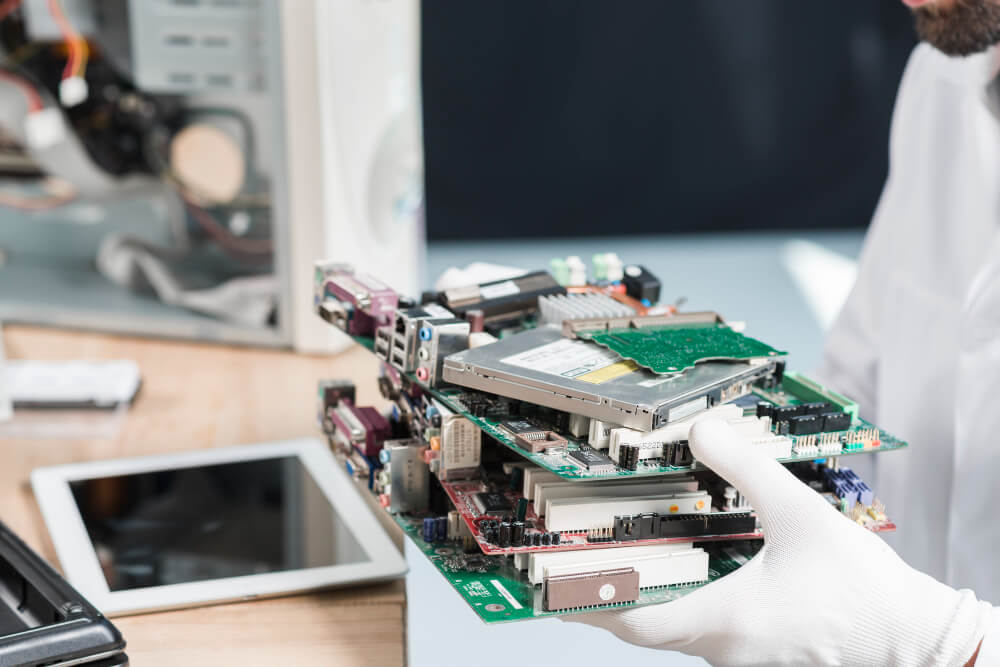
In today’s technology-driven business environment, upgrading IT equipment is essential to stay competitive. But with every upgrade comes a growing responsibility—managing outdated electronics safely and efficiently. At Cyber Recycling Australia, one of the most common questions we hear is: How often should businesses dispose of e-waste? The answer depends on your organisation’s size, industry, and data sensitivity. However, having a structured plan for e-waste recycling is critical for maintaining security, compliance, and sustainability. How Frequently Do Businesses Generate E-Waste? Most businesses generate e-waste more often than expected. Devices such as computers, servers, hard drives, and office equipment are regularly replaced due to: Technology upgrades Performance decline Security vulnerabilities End-of-life hardware cycles Without a proper disposal strategy, these items often sit unused, creating unnecessary clutter and increasing data risks. Our Recommended E-Waste Disposal Schedule At Cyber Recycling, we typically recommend the following: Quarterly Disposal (Every 3–4 Months) Best suited for medium to large businesses with frequent IT upgrades. This ensures outdated equipment is removed quickly and securely. Bi-Annual Disposal (Twice a Year) Ideal for organisations with moderate usage. This approach maintains balance between operational efficiency and responsible ewaste recycling. Annual Disposal (Once a Year) Suitable for small businesses with limited electronic […]
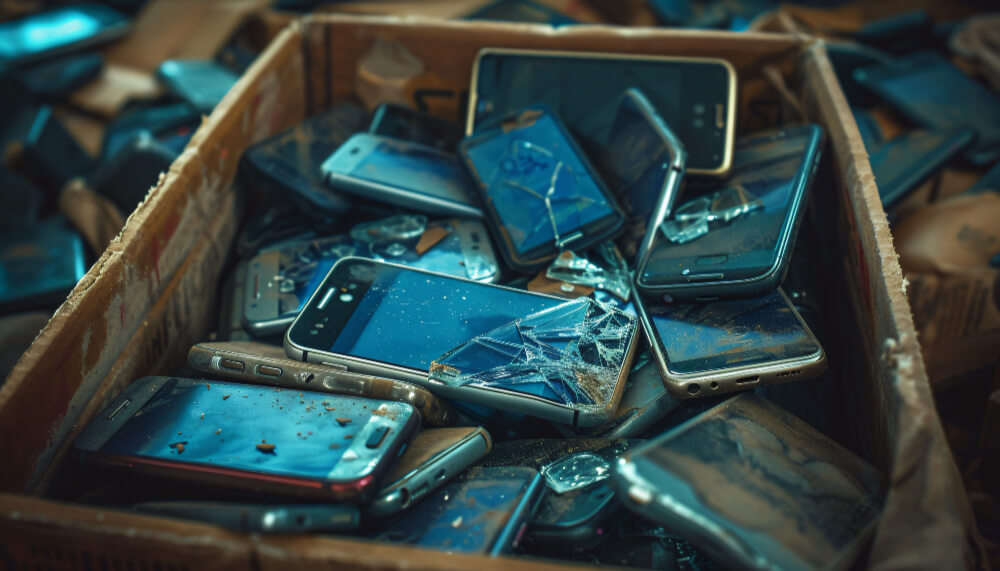
In today’s digital world, electronic devices are everywhere—from smartphones and laptops to office equipment and home appliances. But as technology evolves rapidly, so does the volume of discarded electronics. This growing challenge makes e-waste recycling in Australia more important than ever. At Cyber Recycling Australia, we believe responsible e-waste disposal isn’t just about getting rid of old electronics; it’s about protecting the environment, conserving valuable resources, and creating a sustainable future. Let’s explore the top benefits of responsible e-waste disposal and why it matters for individuals and businesses across Australia. 1. Protects the Environment from Toxic Pollution Electronic waste contains hazardous materials such as lead, mercury, and cadmium. When dumped in landfills, these substances can seep into soil and groundwater, causing serious environmental damage. Responsible e-waste recycling ensures these toxic elements are safely handled and processed, preventing pollution and protecting ecosystems. At Cyber Recycling Australia, we follow strict environmental standards to ensure safe and compliant disposal. 2. Reduces Landfill Waste E-waste is one of the fastest-growing waste streams in Australia, with large volumes ending up in landfills each year. By choosing professional e-waste disposal services, you help: Reduce landfill overflow Minimise environmental strain Support sustainable waste management practices Every recycled […]

If you have solar panels installed at your home or business, you’ve already made a great choice for the environment. But have you ever wondered what happens when those panels reach the end of their life? In Australia, solar panels don’t last forever—and when it’s time to replace them, you can’t just throw them away. There are specific rules around solar panel recycling in Australia, and understanding them can save you from fines, environmental harm, and unnecessary stress. At Cyber Recycling, we’re here to make this simple for you. Why Should You Care About Solar Panel Regulations? You might be thinking—“It’s just an old panel, why does it matter?” Here’s the thing: solar panels are considered e-waste, which means they need special handling. If they’re not disposed of properly, they can: Harm the environment Take up landfill space Waste valuable recyclable materials That’s why Australia has introduced strict guidelines around solar panel disposal, and they’re only getting stricter in 2026 and beyond. Can You Throw Solar Panels in the Bin? Short answer: No, you can’t. Solar panels should never go into your regular household or business waste. They must be sent to authorised recycling facilities that specialise in e-waste recycling. […]
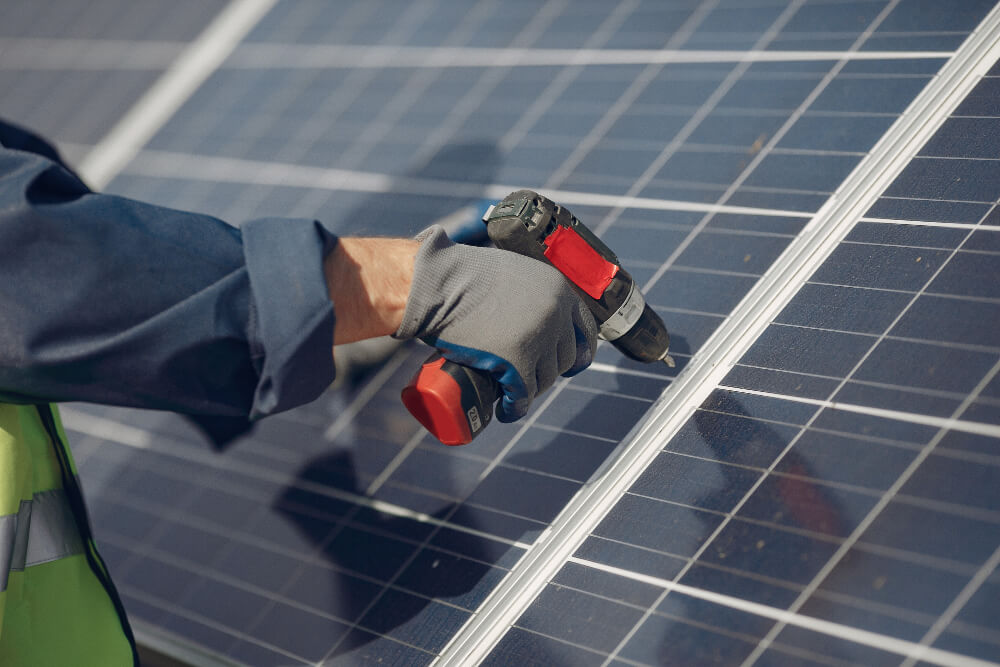
As Australia continues to lead the way in renewable energy adoption, solar power has become a cornerstone of sustainable living. Millions of homes and businesses have installed solar panels over the past decade, helping reduce electricity costs and carbon emissions. However, with this rapid growth comes a new challenge: What happens when these solar panels reach the end of their life? In 2026, solar panel recycling in Australia is no longer just an environmental concern—it’s a necessity. At Cyber Recycling, we provide responsible, efficient, and nationwide solutions to ensure solar panel waste is managed safely and sustainably. The Growing Solar Waste Problem in Australia Solar panels typically last 20–30 years. While this may seem long, Australia is now entering a phase where early installations are beginning to expire. This means a significant increase in solar panel disposal requirements across the country. By 2030, Australia is expected to generate hundreds of thousands of tonnes of solar panel waste. Without proper recycling systems in place, this waste could end up in landfills—causing long-term environmental harm. Why Solar Panel Recycling is Critical in 2026 1. Preventing Environmental Damage Solar panels contain materials such as glass, aluminium, silicon, and trace metals. While many of these are […]
Other Blog
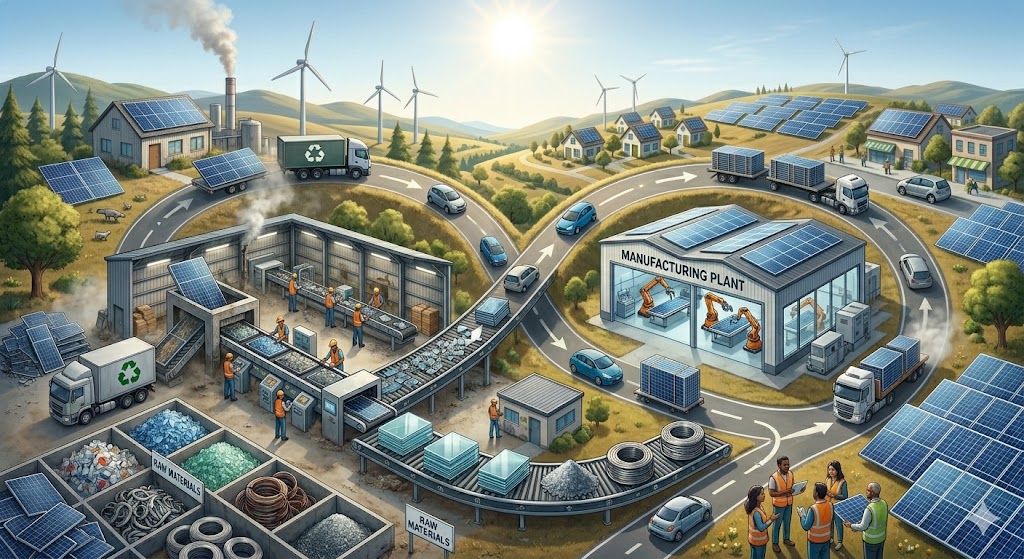
How Solar Panel Recycling Supports a Circular…
06-22-2026
Solar energy is helping Australia move towards a cleaner future. However, as solar panels reach the end of…
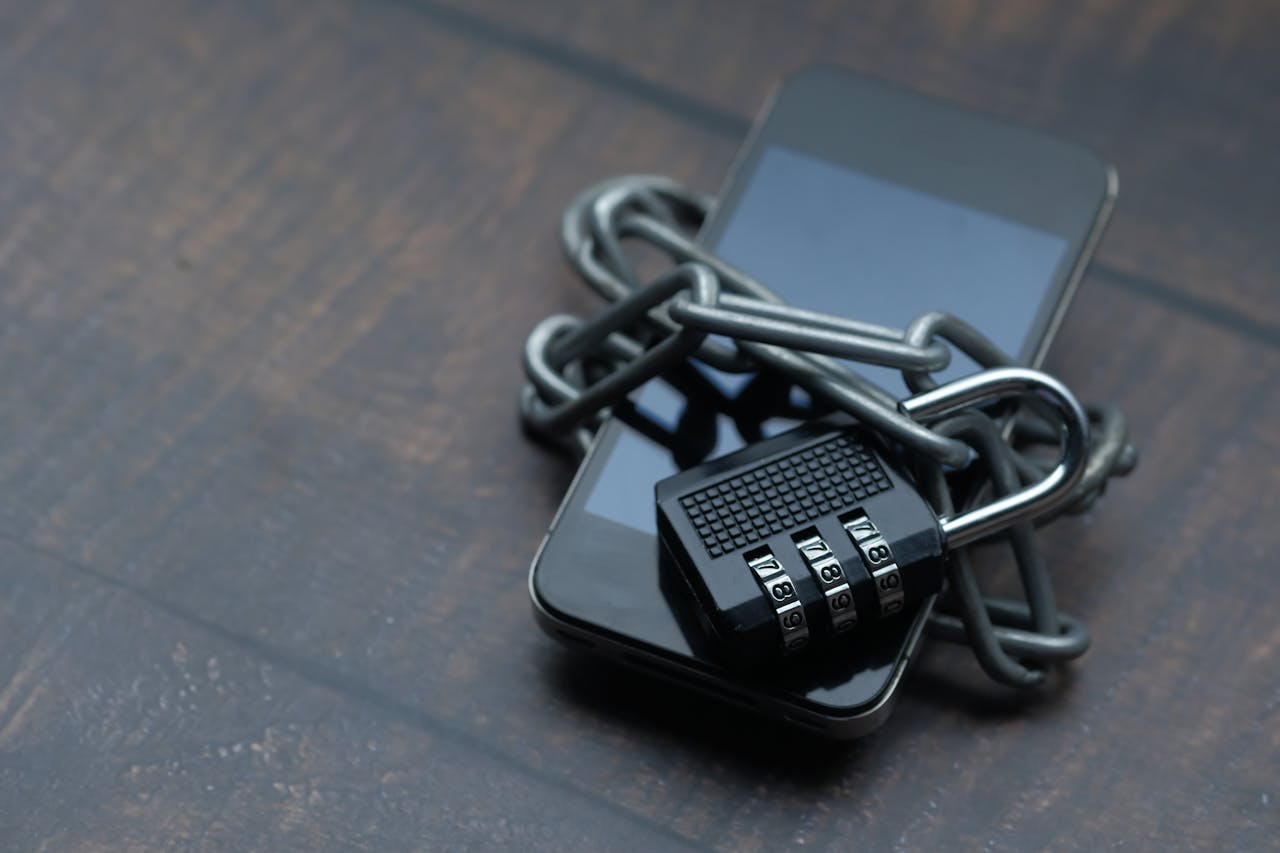
How to Delete Mobile Data Permanently Without…
05-20-2026
Old smartphones often contain sensitive personal and business information, including photos, banking details, emails, passwords, contacts, and confidential…
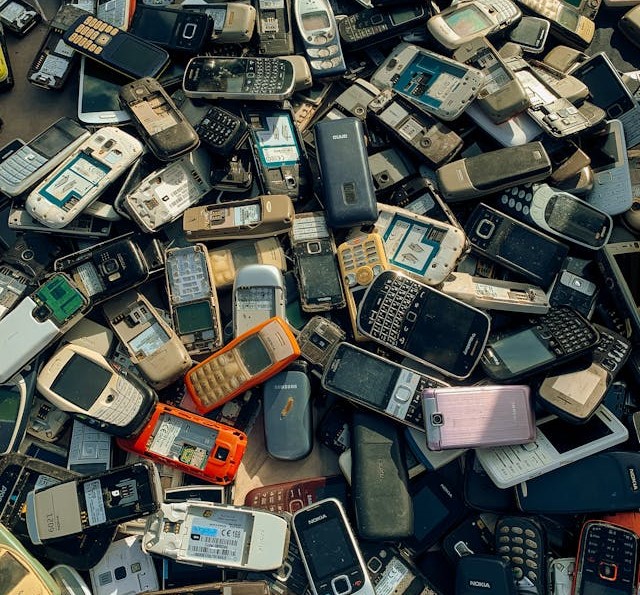
Top 10 Places to Get Cash for…
01-19-2026
Upgrading your smartphone is exciting—but knowing what to do with your old phone can be confusing. Many Australians…