How Darwin Businesses Can Manage Retired IT Equipment
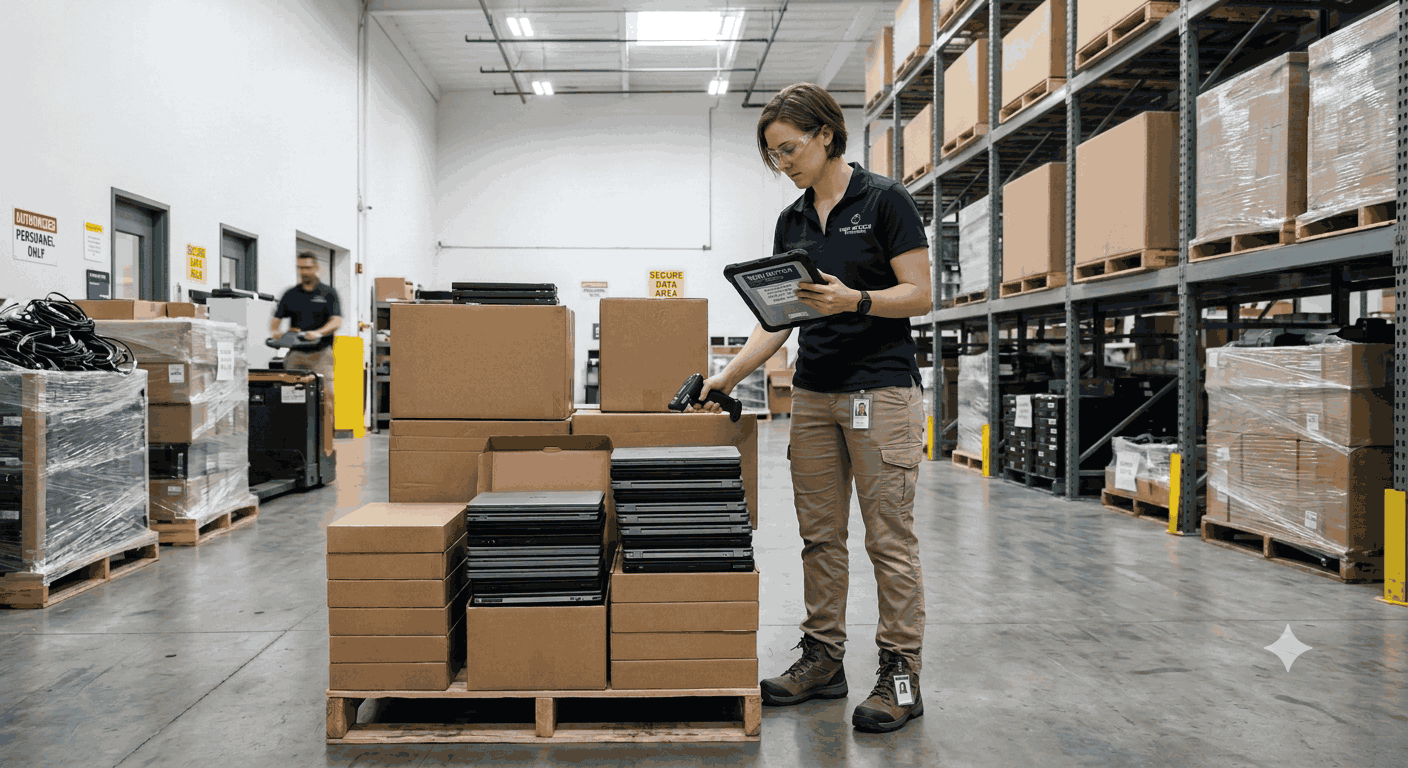
Businesses in Darwin regularly replace computers, laptops, servers, monitors and other IT equipment. But what happens to the old equipment when it is no longer needed?
Disposing of retired IT equipment requires more than clearing space in the office. Businesses need to consider data security, environmental responsibilities and the safe handling of electronic waste.
Professional IT asset disposal helps Darwin businesses manage old equipment securely, recover useful materials and keep disposal records. Cyber Recycling provides business e-waste recycling and data destruction services, backed by over 12 years of experience and certifications including ISO 14001, AS 5377 and ISO 45001.
What Is IT Asset Disposal?
IT asset disposal (ITAD) is the process of managing IT equipment that a business no longer needs. This includes collecting, assessing, reusing, recycling or securely destroying equipment.
Common IT assets include:
- Desktop computers and laptops
- Servers and network equipment
- Hard drives and solid-state drives (SSDs)
- Monitors and office printers
- Keyboards, cables and other IT accessories
A structured IT asset disposal process helps businesses protect sensitive information and manage electronic waste responsibly.
Why Is IT Asset Disposal Important for Darwin Businesses?
1. Protect Business Data
Old computers, servers and storage devices may contain customer records, employee details, financial information and confidential business documents.
Deleting files or performing a factory reset may not provide sufficient protection in every situation. Businesses should use appropriate data wiping or physical destruction methods based on the device and its intended use.
A professional data destruction service can help reduce the risk of sensitive information being accessed after equipment leaves your premises.
2. Reduce Electronic Waste
Discarded IT equipment contains materials that can be recovered and used in manufacturing. However, electronic waste may also contain hazardous substances that require appropriate handling.
Sending retired equipment to a suitable e-waste recycler helps recover materials such as metals, plastics and glass instead of sending them to landfill.
3. Manage Disposal Records
Businesses may need records showing what equipment was removed, how data was handled and where assets were sent for recycling.
An asset register, collection records and certificates of data destruction can help support internal audits, compliance processes and sustainability reporting.
4. Prepare for IT Upgrades and Office Relocations
Replacing computers, upgrading servers or moving offices can leave businesses with large amounts of unwanted IT equipment.
Planning disposal early helps coordinate collection, identify equipment that must be retained and reduce disruption to daily operations.
How to Manage Retired IT Equipment: A Step-by-Step Guide
Step 1: Create an IT Asset Register
Start by listing the equipment your business no longer needs. Include the asset type, make, model, serial number and current location where possible.
Identify devices that contain sensitive data and separate equipment that must be retained from items approved for disposal.
Step 2: Decide What Can Be Reused
Not every retired device needs to be recycled immediately. Some equipment may still be suitable for reuse, refurbishment or resale, depending on its condition, age and data security requirements.
Assess each asset before deciding on the next step.
Step 3: Arrange Secure Data Destruction
Before disposing of computers, servers and storage devices, determine how their data will be handled.
Common methods include:
- Data wiping: Software is used to erase data according to an appropriate sanitisation method.
- Physical destruction: Storage devices are destroyed when reuse is unsuitable or secure erasure cannot be achieved.
Request documentation confirming the work completed, where available.
Step 4: Choose a Suitable IT Asset Disposal Provider
Look for a provider with relevant experience, appropriate certifications and clear procedures for handling equipment.
Ask about collection arrangements, data destruction methods, recycling destinations and the records supplied after the service.
For Darwin businesses, choosing a provider that services the Northern Territory can make collection and equipment handling easier to coordinate.
Step 5: Arrange Collection and Recycling
Once the equipment is approved for disposal, organise collection and confirm access requirements, quantities and any special handling needs.
The provider should manage the equipment through the agreed process, including reuse, data destruction and recycling where appropriate.
Step 6: Keep Your Disposal Records
Retain relevant asset lists, collection records, data destruction certificates and recycling reports.
These documents help your business track retired equipment and maintain a record of its disposal.
How to Choose an IT Asset Disposal Company in Darwin
Before selecting an ITAD provider, consider the following:
- Experience: Look for a provider experienced in handling business IT equipment.
- Certifications: Verify the provider’s current certifications and their scope.
- Data security: Ask how hard drives, SSDs and other storage devices are sanitised or destroyed.
- Environmental practices: Find out how equipment is reused, dismantled and recycled.
- Documentation: Confirm which collection records, certificates and reports are provided.
- Collection services: Check whether the provider can service your Darwin premises and accommodate your equipment volumes.
These checks help you choose a service that suits your business requirements.
Why Choose Cyber Recycling for IT Asset Disposal?
Cyber Recycling helps Australian businesses manage retired IT equipment through e-waste recycling and data destruction services. Businesses in Darwin can contact the team to discuss their equipment and collection requirements.
Cyber Recycling offers:
- 12+ years of experience in the industry.
- ISO 14001 certification for environmental management.
- AS 5377 certification for the management of electrical and electronic equipment for reuse or recycling.
- ISO 45001 certification for occupational health and safety management.
- Data wiping and physical hard drive shredding.
- E-waste collection and recycling reports.
These credentials support a structured approach to environmental management, equipment recycling and workplace safety. Businesses should confirm the current certification scope and applicable services when arranging a project.
 Copy Link
Other Blog
Data Protection Risks and How to Mitigate…
09-21-2026
How much data does your business have sitting on its systems right now? Think about customer details. Employee…
Secure Data Destruction: A Complete Guide for…
09-21-2026
Every business laptop, server, USB drive and phone that has ever held customer records or financial data becomes…
What Records Should Businesses Keep When Disposing…
08-20-2026
Australian businesses disposing of IT equipment must retain financial tax invoices, asset depreciation schedules, serialised Certificates of Data…