Data Wiping vs Physical Hard Drive Destruction: Which Is Better for Your Business?
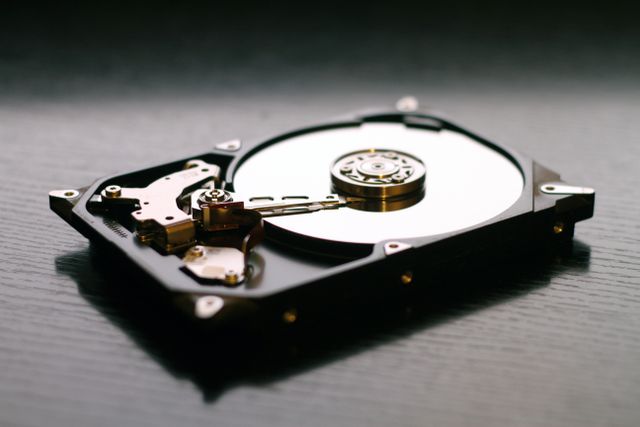
The best choice depends on what your business needs. Data wiping is ideal if you want to safely erase data and reuse your hard drives. Physical hard drive destruction is the better option when the drive is no longer needed, damaged, or contains highly sensitive information.
Many Australian businesses replace old computers, laptops, and servers every few years. But replacing your devices is only part of the process. You also need to make sure the information stored on them is removed safely.
This is where many businesses ask about data wiping vs physical hard drive destruction.
Let’s understand the difference in a simple way.
What Is Data Wiping?
Data wiping, also called data sanitisation or certified data erasure, removes all information from a hard drive by overwriting the hard drive data several times. After the process is complete, the data cannot be recovered using normal methods.
Secure data wiping is a good choice when:
- You want to reuse the hard drive.
- You plan to sell or donate old devices.
- The drive is still working properly.
- You need NIST 800-88 compliance for secure data erasure.
Businesses often use trusted hard drive wiping software and receive a Certificate of Destruction or erasure report as proof that the data has been removed.
What Is Physical Hard Drive Destruction?
Physical hard drive destruction means destroying the drive so it can never be used again.
Common methods include:
- Hard drive shredding services
- Hard drive crushing
- On-site hard drive shredding
- Degaussing for certain magnetic drives
Once destroyed, the drive and its data cannot be recovered.
This is the best option for businesses with confidential information that no longer need the storage device.
Data Wiping vs Physical Hard Drive Destruction
Here is the difference between data wiping and destruction:
Choose Data Wiping if:
- The hard drive still works.
- You want to reuse or resell the device.
- You need secure data removal without creating unnecessary waste.
- Your business supports data erasure for eco-friendly businesses.
Choose Physical Hard Drive Destruction if:
- The hard drive is damaged.
- The device cannot be reused.
- It contains highly confidential business information.
- You want complete peace of mind that the drive will never be used again.
Which Method Is Better for Compliance?
Many businesses ask, “Is data wiping safe for compliance?”
Yes, it can be when completed using approved methods such as NIST 800-88 compliance standards.
For businesses that must meet privacy regulations or customer requirements, both certified data erasure and physical hard drive destruction can support secure data destruction when carried out by a trusted provider.
What About SSDs?
If you’re wondering how to securely destroy data on an SSD, the process is different from that of traditional hard drives.
Some SSDs can be securely wiped using certified data erasure tools, while damaged SSDs may require physical destruction to ensure the data cannot be recovered.
Recycle Responsibly After Data Destruction
After your hard drive disposal, don’t throw old devices into general waste.
At Cyber Recycling Australia, we provide secure IT Asset Disposition (ITAD), professional data destruction, hard drive destruction, and responsible e-waste recycling for businesses across Australia. Whether you need secure data wiping or physical destruction, our team helps protect your business information while reducing electronic waste.
Final Thoughts
Understanding data wiping vs physical hard drive destruction helps businesses make the right decision for their old IT equipment. If you plan to reuse your devices, secure data wiping is usually the best option. If the drive is damaged or contains highly sensitive information, physical hard drive destruction offers the highest level of protection.
Choosing the best e-waste recycling partner like Cyber Recycling Australia ensures your business data stays secure while supporting a cleaner and more sustainable future.
 Copy Link
Other Blog

Data Protection Risks and How to Mitigate…
09-21-2026
How much data does your business have sitting on its systems right now? Think about customer details. Employee…
Secure Data Destruction: A Complete Guide for…
09-21-2026
Every business laptop, server, USB drive and phone that has ever held customer records or financial data becomes…
What Records Should Businesses Keep When Disposing…
08-20-2026
Australian businesses disposing of IT equipment must retain financial tax invoices, asset depreciation schedules, serialised Certificates of Data…