What Is AS 5377:2022 and Why Does It Matter for Business E-Waste Recycling?
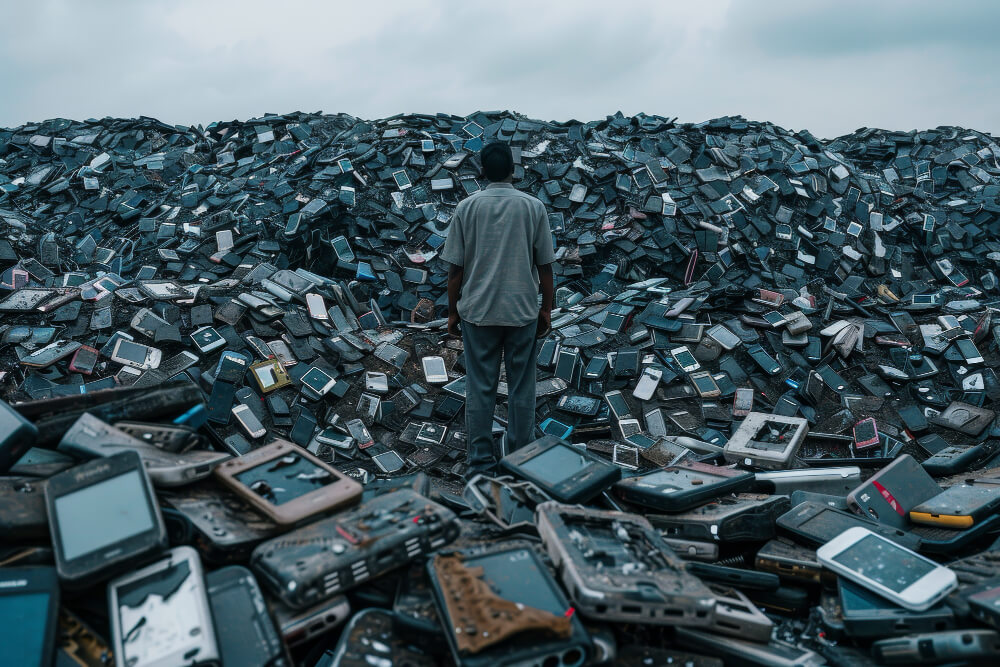
Old laptops, phones and servers can expose businesses to data security and environmental risks if disposed of incorrectly.
AS 5377:2022 is the Australian Standard for managing electrical and electronic equipment for re-use or recycling. It covers collection, transport, storage, data security, treatment and material recovery.
This guide explains what the standard covers, why it matters and how to choose an appropriate e-waste recycling partner.
What Is AS 5377:2022?
Published by Standards Australia in January 2022, AS 5377:2022 replaced AS/NZS 5377:2013 in Australia.
It covers the responsible management of electronic equipment, including computers, phones, monitors and other electrical devices.
What Does the Standard Cover?
- Collection and storage: Safe handling of electronic waste.
- Transport: Secure movement of equipment.
- Preparation for re-use: Testing and refurbishing working devices.
- Treatment and recycling: Dismantling equipment and recovering materials.
- Data security: Protecting information stored on devices.
- Hazardous substances: Managing materials such as lead and mercury.
- Management systems: Risk, quality, health and safety controls.
Why Does AS 5377:2022 Matter for Businesses?
The standard provides a benchmark for responsible e-waste recycling in Australia. Recyclers working under the National Television and Computer Recycling Scheme must meet its certification requirements.
Data security is another important consideration. The OAIC recorded 1,205 data breach notifications in 2025, highlighting the importance of protecting sensitive information.
Improper disposal of computers and storage devices can expose businesses to data breaches, financial losses and environmental harm.
Privacy Act Requirements and APP 11
Under Australian Privacy Principle 11.2, organisations covered by the Privacy Act must take reasonable steps to destroy or de-identify personal information when it is no longer needed, subject to applicable exceptions.
Using an AS 5377-certified recycler can help businesses demonstrate responsible disposal practices. However, certification alone does not guarantee compliance with privacy obligations.
What Happens During E-Waste Recycling?
- Collection: Equipment is collected and recorded.
- Chain of custody: The process documents handling and movement.
- Data destruction: Data is erased, or storage devices are physically destroyed.
- Re-use or dismantling: Working equipment may be refurbished.
- Material recovery: Recover metals, plastics, and glass for further processing.
- Reporting: The business receives relevant recycling and data destruction records.
How to Choose an E-Waste Recycling Partner
Before handing over your equipment:
- Request a current AS 5377:2022 certificate.
- Verify the certification scope, expiry date and covered sites.
- Ask about data wiping and physical destruction methods.
- Request serialised certificates of destruction where applicable.
- Confirm where equipment is processed and how materials are managed.
- Ask for recycling reports to support your records and sustainability reporting.
How Cyber Recycling Helps
Cyber Recycling provides e-waste collection and data destruction services for businesses in Perth and Darwin.
Services include:
- Scheduled e-waste collection.
- Data wiping and physical hard drive shredding.
- Certificates of destruction.
- Recycling reports for business records.
Frequently Asked Questions
Is AS 5377:2022 mandatory for businesses?
Not directly for most businesses. However, recyclers operating under the National Television and Computer Recycling Scheme must meet its certification requirements.
What is the difference between AS/NZS 5377:2013 and AS 5377:2022?
AS 5377:2022 replaced the 2013 edition in Australia and addresses areas including preparation for re-use, data security and management systems.
Does AS 5377:2022 cover data destruction?
Yes. Data security is covered by the standard. Ask your recycler about its destruction methods and available documentation.
How can I check whether a recycler is certified?
Request its current certificate and verify the issuing body, validity, scope and covered locations.
Conclusion
AS 5377:2022 provides a framework for responsible e-waste management, from collection and data security to recycling and material recovery. Choosing an appropriately certified recycler can help businesses manage disposal risks and environmental responsibilities.
Ready to dispose of old IT equipment securely? Contact Cyber Recycling to arrange a business e-waste collection and request a quote.
 Copy Link
Other Blog
Data Protection Risks and How to Mitigate…
09-21-2026
How much data does your business have sitting on its systems right now? Think about customer details. Employee…
Secure Data Destruction: A Complete Guide for…
09-21-2026
Every business laptop, server, USB drive and phone that has ever held customer records or financial data becomes…
What Records Should Businesses Keep When Disposing…
08-20-2026
Australian businesses disposing of IT equipment must retain financial tax invoices, asset depreciation schedules, serialised Certificates of Data…