Extended Producer Responsibility in Australia: What Manufacturers Must Do
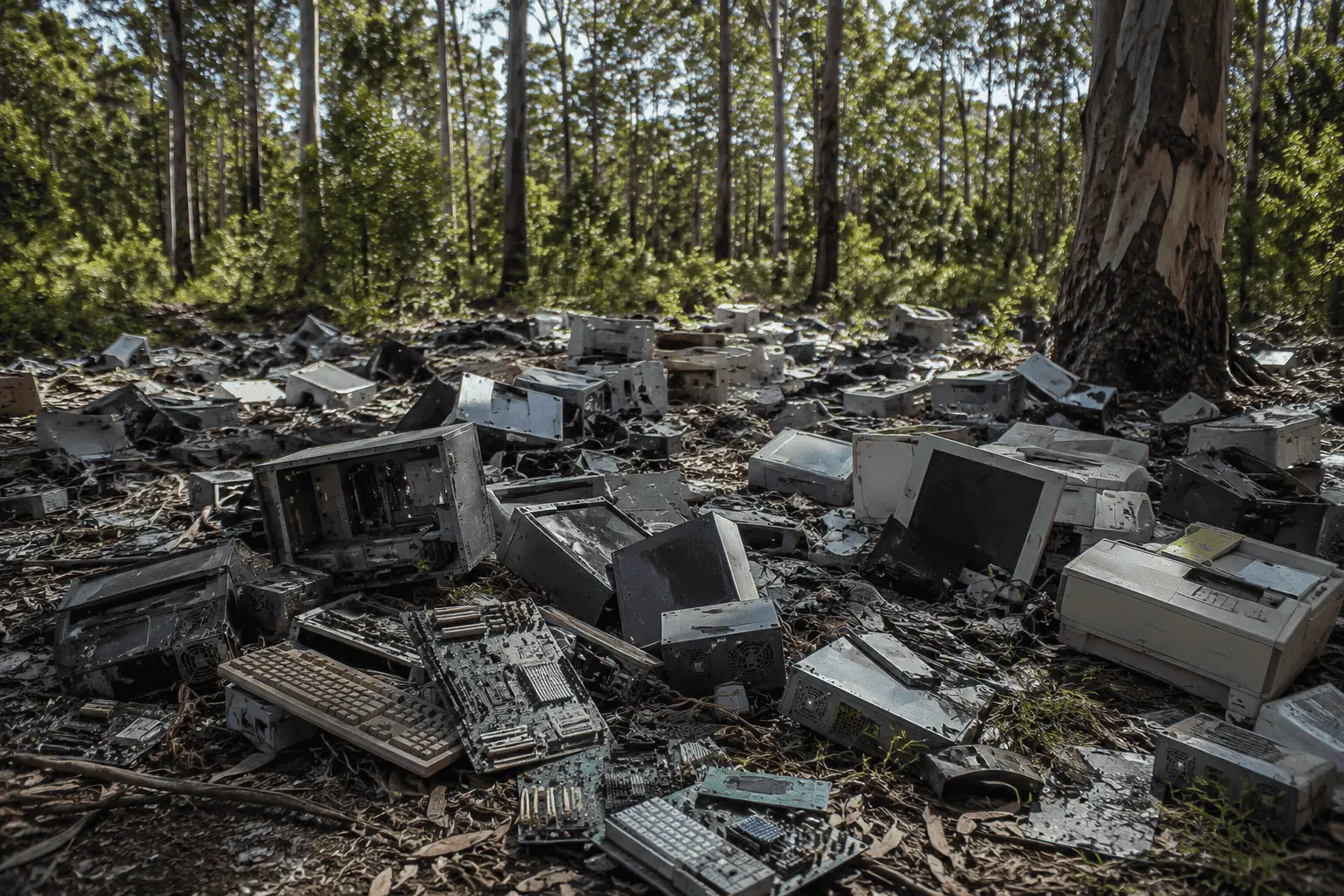
Extended Producer Responsibility (EPR) is a policy approach that makes manufacturers, importers, and brand owners responsible for the environmental impact of their products throughout their lifecycle, including when those products reach the end of their useful life.
Traditionally, waste management costs were carried by local councils and taxpayers. Under EPR, producers share responsibility for collecting, recycling, recovering, or safely disposing of products after consumers no longer need them.
The goal is simple: encourage businesses to design products that are easier to reuse, repair, and recycle while reducing the amount of waste sent to landfills.
Why is EPR Important in Australia?
Australia generates millions of tonnes of waste every year, including a significant amount of electronic waste. Old computers, monitors, laptops, printers, mobile devices, and other electronic equipment often contain valuable materials that can be recovered and reused.
EPR helps create a more sustainable system by:
- Reducing landfill waste
- Increasing recycling and resource recovery
- Conserving natural resources
- Encouraging eco-friendly product design
- Reducing environmental pollution
- Supporting Australia’s circular economy goals
As sustainability becomes a priority for governments, businesses, and consumers, EPR programs are expected to play an even greater role in Australia’s waste management strategy.
What Manufacturers Must Do Under EPR
Manufacturers and importers have several responsibilities under Extended Producer Responsibility frameworks.
1. Take Responsibility for End-of-Life Products
Businesses must consider what happens to products after they are no longer usable. This may involve supporting collection programs, recycling initiatives, or recovery schemes that prevent products from ending up in landfill.
2. Support Product Stewardship Programs
Many industries participate in product stewardship schemes that help manage products throughout their lifecycle. These programs encourage manufacturers to contribute financially or operationally to recycling and recovery efforts.
One well-known example is Australia’s National Television and Computer Recycling Scheme (NTCRS), which helps recover and recycle electronic products.
3. Improve Product Design
Manufacturers are encouraged to design products that:
- Last longer
- Are easier to repair
- Contain fewer hazardous materials
- Use recyclable components
- Generate less waste
Better product design can significantly reduce environmental impact while lowering recycling costs.
4. Meet Regulatory Requirements
Australian businesses must stay informed about evolving environmental regulations and product stewardship obligations. Compliance helps avoid legal risks while demonstrating environmental responsibility to customers and stakeholders.
5. Work with Certified Recycling Partners
Partnering with experienced recycling providers ensures products are handled responsibly when they reach the end of their life.
At Cyber Recycling, we help organisations safely process electronic equipment through certified recycling and secure disposal solutions that support EPR objectives.
How EPR Impacts Electronic Waste
Electronic waste, or e-waste, is one of the fastest-growing waste streams in Australia. Devices often contain valuable materials such as copper, aluminium, steel, and precious metals that can be recovered through proper recycling processes.
Without responsible recycling, these materials are lost, and potentially harmful substances can enter the environment.
This is where EPR and professional e-waste recycling services work together. By supporting responsible collection and recycling programs, manufacturers can help recover resources and reduce environmental harm.
How Cyber Recycling Supports EPR Compliance
Cyber Recycling provides comprehensive solutions that help businesses meet their sustainability and waste management goals. Our services include:
- E-waste recycling
- IT asset disposal
- Secure data destruction
- Data deletion services
- Hard drive shredding
- Asset recovery and value extraction
- Electronics recycling across Australia
We help organisations ensure that obsolete technology is recycled responsibly while protecting sensitive business information.
Final Thoughts
Extended Producer Responsibility in Australia is helping transform how products are managed at the end of their lifecycle. Manufacturers are no longer expected to focus solely on production and sales—they must also consider collection, recycling, recovery, and responsible disposal.
By embracing EPR principles, businesses can reduce waste, improve sustainability performance, strengthen their brand reputation, and contribute to a more circular economy.
If your organisation is looking for a partner for e-waste recycling, Cyber Recycling can help. Contact our team today to learn how we support responsible recycling and environmental compliance across Australia.
 Copy Link
Other Blog

How to Delete Mobile Data Permanently Without…
05-20-2026
Old smartphones often contain sensitive personal and business information, including photos, banking details, emails, passwords, contacts, and confidential…

Top 10 Places to Get Cash for…
01-19-2026
Upgrading your smartphone is exciting—but knowing what to do with your old phone can be confusing. Many Australians…
Why Perth Businesses Must Prioritize Test and…
10-14-2025
Every Perth business uses plug-in devices daily, from office computers to power tools and kitchen appliances. But even…