How to Turn E-Waste Into Gold
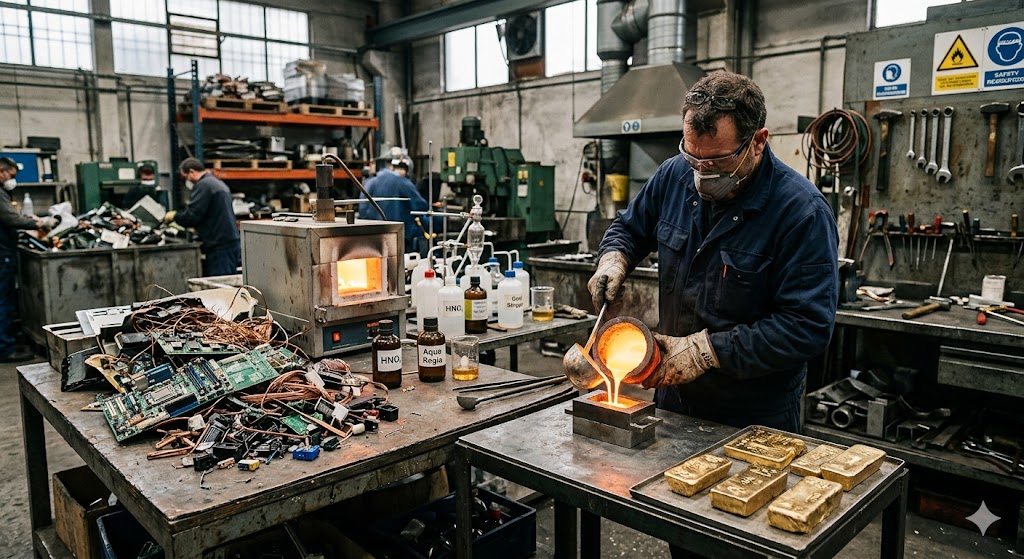
Electronic waste is one of the fastest-growing waste streams in the world. Old computers, mobile phones, circuit boards, servers, and other electronic devices contain valuable materials including gold, silver, copper, and palladium.
Many people are surprised to learn that electronic waste can contain higher concentrations of gold than natural gold ore. This is why E-Waste Recycling has become an important industry for both environmental sustainability and resource recovery.
But how exactly do recyclers turn e-waste into gold?
Let’s explore the process of recovering gold from electronic waste and why responsible recycling matters.
Why Electronics Contain Gold
Gold is widely used in electronic devices because it:
- Conducts electricity efficiently
- Resists corrosion
- Performs reliably over time
Small amounts of gold are commonly found in:
- Printed circuit boards (PCBs)
- CPUs and processors
- RAM modules
- Mobile phones
- Connectors and pins
- Telecommunications equipment
- Server hardware
Although each device contains only tiny amounts of gold, large-scale recycling operations can recover significant quantities from bulk electronic waste.
Types of E-Waste That Contain Gold
Not all electronic waste contains the same amount of precious metals.
Devices with higher gold content include:
- Older mobile phones
- Computer motherboards
- CPUs and processors
- Enterprise servers
- Networking equipment
- Industrial electronics
High-grade circuit boards typically contain more recoverable gold than modern low-cost electronics.
The Process of Turning E-Waste Into Gold
Recovering gold from electronic waste requires specialised recycling processes and professional equipment.
1. Collection and Sorting
The process starts with collecting old electronic devices from:
- Businesses
- Data centres
- Offices
- Households
- Industrial facilities
Devices are then sorted by:
- Material type
- Component value
- Recycling potential
Proper sorting improves recovery efficiency.
2. Dismantling Electronic Devices
Recyclers manually dismantle devices to separate valuable components such as:
- Circuit boards
- Processors
- Connectors
- Wiring
- Metal parts
Hazardous materials like batteries are removed safely during this stage.
3. Shredding and Material Separation
Electronic components are shredded into smaller pieces.
Advanced separation systems then isolate:
- Plastics
- Copper
- Aluminium
- Steel
- Precious metal-bearing materials
Recyclers use:
- Magnetic separation
- Density separation
- Electrostatic systems
This prepares materials for precious metal recovery.
4. Gold Recovery and Refining
The remaining gold-bearing materials go through specialised refining processes.
Professional facilities use advanced recovery methods to extract:
- Gold
- Silver
- Palladium
- Platinum
Modern E-Waste Recycling facilities increasingly use environmentally safer technologies that reduce harmful chemical usage while improving recovery efficiency.
After extraction, recovered gold is refined into high-purity material that can be reused in manufacturing and electronics production.
Is Recovering Gold from E-Waste Profitable?
At commercial scale, yes.
Although a single mobile phone contains only a small amount of gold, large recycling facilities process tonnes of electronic waste every year.
The profitability depends on:
- Volume of e-waste
- Material quality
- Recovery technology
- Processing efficiency
Besides gold, recyclers also recover valuable metals like:
- Copper
- Silver
- Aluminium
- Palladium
These recovered materials support the circular economy and reduce dependence on mining.
Environmental Benefits of E-Waste Recycling
Recovering gold from electronic waste is not just about profit.
Proper E-Waste Recycling helps:
- Reduce landfill waste
- Prevent toxic pollution
- Recover reusable resources
- Lower carbon emissions
- Reduce mining demand
- Support sustainable manufacturing
Improper disposal of electronic waste can release harmful substances such as:
- Lead
- Mercury
- Cadmium
- Lithium chemicals
Responsible recycling protects both people and the environment.
The Importance of Secure Data Deletion
Many electronic devices still contain sensitive data before recycling.
Businesses and individuals should ensure:
- Hard drives are wiped securely
- Mobile phones are erased properly
- Servers undergo certified data deletion
Professional recyclers provide secure data destruction services before processing electronic devices.
This protects:
- Personal information
- Financial data
- Customer records
- Business documents
Why Choose Professional E-Waste Recycling Services
Gold recovery from e-waste should only be handled by certified recycling facilities because improper extraction methods can:
- Harm the environment
- Create toxic exposure risks
- Violate regulations
- Damage recoverable materials
Professional recyclers safely manage:
- Precious metal recovery
- Hazardous waste handling
- Secure data destruction
- Responsible recycling processes
Choose Cyber Recycling Australia for Responsible E-Waste Recycling
If you have old computers, mobile phones, servers, or electronic equipment, choosing a trusted recycling partner is essential.
Cyber Recycling provides:
- Professional E-Waste Recycling
- Secure data deletion
- IT asset disposal
- Electronics recycling services across Australia
- Environmentally responsible recycling solutions
Our Recycling processes help recover valuable materials from old electronics while ensuring safe disposal and secure handling of sensitive data.
Instead of sending old electronics to a landfill, choose Cyber Recycling Australia for secure and professional E-Waste Recycling services across Australia.
 Copy Link
Other Blog
How to Delete Mobile Data Permanently Without…
05-20-2026
Old smartphones often contain sensitive personal and business information, including photos, banking details, emails, passwords, contacts, and confidential…
Top 10 Places to Get Cash for…
01-19-2026
Upgrading your smartphone is exciting—but knowing what to do with your old phone can be confusing. Many Australians…
Why Perth Businesses Must Prioritize Test and…
10-14-2025
Every Perth business uses plug-in devices daily, from office computers to power tools and kitchen appliances. But even…