How to Recycle Solar Panels Safely in Perth & WA
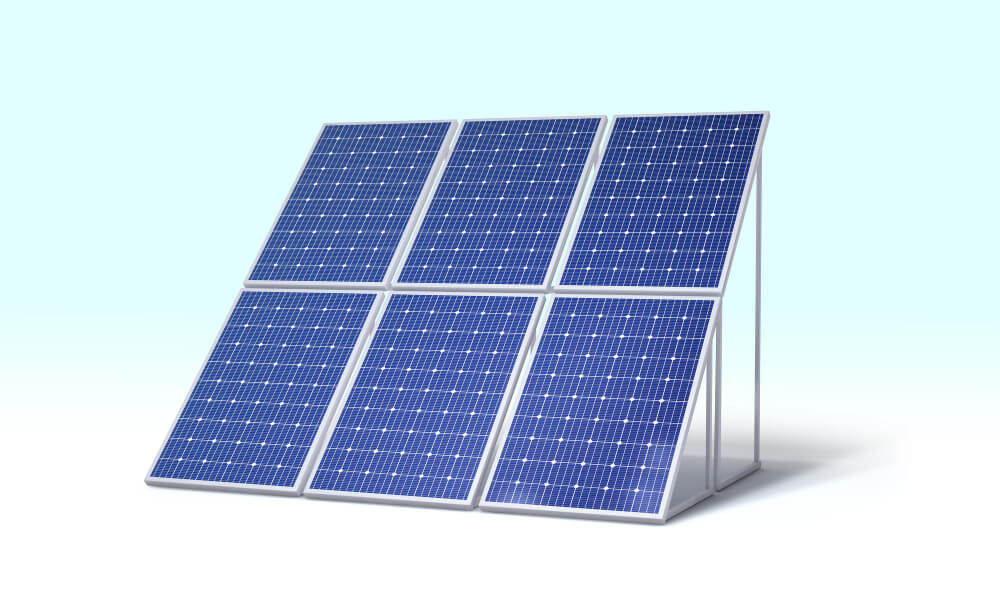
Perth has one of the highest rates of rooftop solar in the world — and the first wave of panels installed during WA’s early solar boom are now approaching the end of their 25–30-year lifespan. That means more Perth households and businesses will be asking the same question over the next few years: what do I actually do with old solar panels once they come off the roof?
This guide covers what’s legal, what’s not yet regulated, and how Cyber Recycling handles solar panel, inverter and battery disposal for customers across Perth and WA.
Where WA’s E-Waste Rules Actually Stand (and Where Solar Panels Fit)
WA introduced its e-waste to landfill ban (Waste Avoidance and Resource Recovery (e-waste) Regulations 2024) on 1 July 2024. It’s a genuine milestone for the state — but it’s worth being precise about what it currently covers, because a lot of general “Australia e-waste” content online gets this wrong for WA specifically.
Phase 1 of the WA ban covers: batteries, mobile phones, televisions, computers, light globes and fluorescent tubes, large white goods, and professional medical devices.
Phase 1 does not yet cover: solar panels/photovoltaics, small household appliances (kettles, toasters), or other minor electronics. Those are expected in future phases as the scheme expands, alongside a $14 million state investment in collection infrastructure and community education.
What this means practically: it’s still technically legal to send an old solar panel to landfill in WA today. But three things make that a bad long-term option:
- A landfill ban on panels is coming — Victoria already has one, and WA has signalled it will follow.
- Panels contain genuinely valuable, recoverable material (more on that below), so landfilling them is throwing away resale-worthy metal and glass.
- Once the WA ban extends to PV systems, businesses in particular will need a compliant disposal pathway already in place — better to set that up now than scramble later.
Also Check: Computer Monitor Recycling in Australia
Why Bother Recycling Now, Before It’s Mandatory
Australia is sitting on a fast-growing stockpile of ageing panels. National forecasts put solar panel waste at roughly 59,000 tonnes in 2025, climbing past 91,000 tonnes by 2030 as the first residential boom generation retires. Perth’s early and enthusiastic solar uptake means WA will be contributing a meaningful share of that.
The recovery numbers make the case for recycling on their own:
- Around 95% of a solar panel’s material is technically recoverable — aluminium frame, glass, silicon, copper, and trace silver.
- Recycling one tonne of panels avoids roughly 1.2 tonnes of CO₂-equivalent emissions compared with landfilling and re-mining new material.
- Currently, Australia only recycles the aluminium frame and junction box in most cases (~17% of a panel’s material) — full-material recovery, including glass and silicon, is where the industry is heading, and where value is being left on the table today.
Getting Panels Off Your Roof Safely
Solar panels carry live DC current even when disconnected from the grid, and Perth roofs mean real fall-risk on top of that. A few things worth knowing before you book removal:
- Always use a licensed electrician or accredited solar installer for removal — not a general handyman or a DIY job. This is both a safety requirement and a compliance one.
- Intact panels recycle better than damaged ones. A panel removed carefully yields cleaner, more valuable recovered glass and silicon than one that’s cracked in transit.
- Inverters and batteries are handled differently from panels. Inverters are treated as standard e-waste and can go through normal e-waste drop-off or collection. Batteries are hazardous waste — never remove or transport these yourself; they need to go through your installer or a certified hazardous waste handler.
What Happens to a Panel After Cyber Recycling Collects It
- Sorting and assessment — panels in good condition may be resold or reused rather than broken down; damaged or end-of-life panels move to material recovery.
- Disassembly — the aluminium frame and junction box are removed first (these are the most straightforwardly recyclable components), then the glass and internal layers are separated.
- Material recovery — glass is processed for glass recycling or construction reuse (“solarcrete”), aluminium is melted down for reuse, and copper/silver are refined for further electrical use.
- Compliance documentation — as a certified e-waste recycler, we provide traceable records of what happened to your panels, which matters increasingly for businesses managing their own environmental compliance.
What It Costs
Solar panel recycling in Australia typically runs $10–$30 per panel depending on volume and condition, which is more expensive than landfill tipping today — but that gap is expected to close as WA’s recycling infrastructure scales up (backed by that $14 million state investment) and as producer-funded stewardship schemes come into effect, shifting more of the cost from consumers to manufacturers.
FAQs
Is it currently illegal to landfill solar panels in WA?
No — not yet. WA’s e-waste landfill ban (from 1 July 2024) doesn’t currently include solar panels. A ban on panels specifically is expected in a future phase, following Victoria’s lead.
Are solar panels classified as hazardous waste?
No. The vast majority of Australian panels contain only trace, non-toxic amounts of metals. Fewer than 5% contain small quantities of cadmium or selenium. They’re treated as e-waste, not hazardous waste — batteries are the hazardous component in a solar system, not the panels themselves.
Can I drop old panels at a normal Perth recycling centre?
Generally no. Most local recycling centres and council e-waste drop-offs aren’t set up to handle whole panels — they’re bulky and require specialist processing. Solar-specific collection or a certified recycler like Cyber Recycling is the practical option.
What do I do with the inverter and battery separately?
Inverters can go through standard e-waste channels. Batteries must be handled as hazardous waste through your installer or the manufacturer — never remove or transport a solar battery yourself.
How long do panels usually last before this becomes relevant?
25–30 years under normal conditions. If you’re seeing a steep, sudden drop in output rather than the normal 1–2% annual degradation, get a professional performance check before assuming it’s end-of-life.
Cyber Recycling provides certified solar panel, inverter and battery recycling across Perth and WA. We coordinate compliant collection and processing so your old solar equipment is handled correctly under current and upcoming state regulations. Get in touch to arrange a pickup or find out more about how we process solar equipment.
 Copy Link
Other Blog

Data Protection Risks and How to Mitigate…
09-21-2026
How much data does your business have sitting on its systems right now? Think about customer details. Employee…
Secure Data Destruction: A Complete Guide for…
09-21-2026
Every business laptop, server, USB drive and phone that has ever held customer records or financial data becomes…
What Records Should Businesses Keep When Disposing…
08-20-2026
Australian businesses disposing of IT equipment must retain financial tax invoices, asset depreciation schedules, serialised Certificates of Data…