Top 10 Non-Recyclable Items You Should Know About
Recycling plays a vital role in reducing landfill waste, conserving resources, and protecting our environment. However, many people are unaware that not all waste is recyclable. Putting non-recyclable items in your recycling bin can contaminate entire batches, making them unusable and increasing processing costs.
In this guide, we’ll explain which waste is not recyclable and why, helping you recycle more effectively and protect your local recycling system.
What Is Non-Recyclable Waste?
Non-recyclable waste refers to materials that cannot be processed by standard recycling facilities due to safety concerns, contamination, or limitations in current recycling technology. These items may:
- Contaminate recyclable materials
- Damage to recycling equipment
- Release toxins or hazardous substances
- Have no viable recycling market
Understanding what can’t be recycled is just as important as knowing what can.
Top 10 Non-Recyclable Items You Should Know About
1. Plastic Bags and Soft Plastics
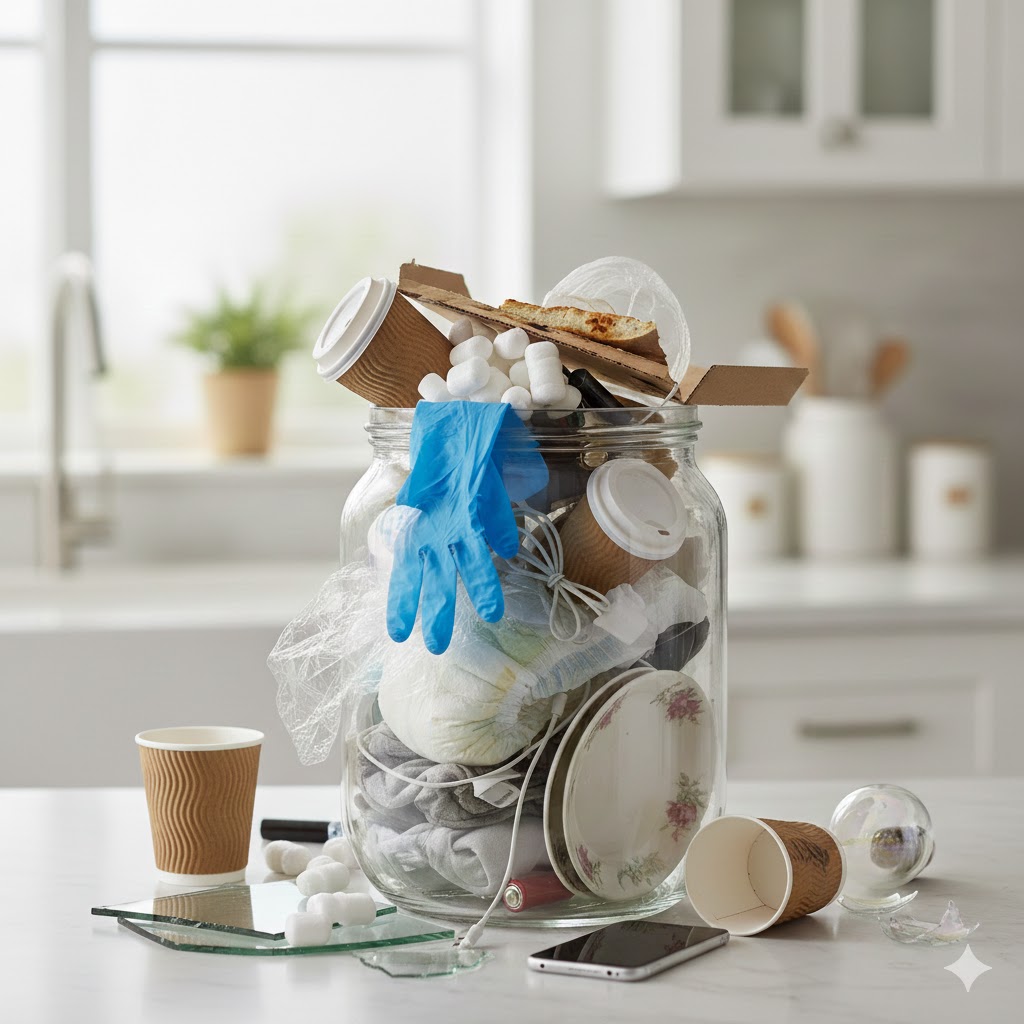
Plastic bags, cling wrap, and soft plastics clog sorting machines and can’t be processed in most curbside programs. Tip: Reuse or return them to designated supermarket soft-plastic bins.
2. Polystyrene / Styrofoam
Foam cups, takeaway trays, and packing peanuts are lightweight and hard to recycle due to cost and contamination risks.
3. Broken Glass
Unlike clean glass bottles, broken window panes, mirrors, and lightbulbs are not recyclable through standard glass streams — they melt at different temperatures.
4. Ceramic and Porcelain
Plates, mugs, and tiles may look like glass, but they are chemically different and can contaminate glass recycling.
5. Disposable Coffee Cups
Though they appear to be paper, most have a plastic lining that prevents recycling.
6. Hazardous Waste
Items such as batteries, paint cans, chemicals, fluorescent tubes, and pesticides are dangerous in recycling streams and must be disposed of through specialised hazardous waste programs.
7. Electronic Waste (E-Waste)
Phones, chargers, and household electronics shouldn’t go in regular recycling. They contain metals and components that require specialist recycling facilities.
8. Food-Soiled Paper
Pizza boxes with grease, napkins, tissues, and paper towels are contaminated and unsuitable for paper recycling.
9. Diapers and Sanitary Products
These items cannot be recycled due to biological contamination and should go in the general waste.
10. Textile Scraps
Old clothing, fabric scraps, and textiles are not accepted in most recycling programs — instead, donate wearable items or use textile recycling services.
Why It Matters: The Impact of Putting Non-Recyclables in the Bin
Placing non-recyclable waste in your recycling bin can:
- Contaminate entire recycling loads
- Increase processing costs for recycling centres
- Damages sorting machinery
- End up in a landfill anyway
Most recycling facilities reject bins with too much contamination. That means good recyclables go to the landfill because of a few bad items.
How to Recycle Correctly — Practical Tips
Check local recycling guidelines — every council has specific rules. Rinse food containers before recycling. When in doubt, throw it out (non-recyclables belong in general waste). Use specialised recycling centres for items like electronics and batteries.
Specialised Recycling Services in Australia
At Cyber Recycling, we’re committed to making recycling easier and more effective. We offer responsible recycling solutions for:
- E-waste and electronic devices
- Hazardous materials
- Corporate and household recycling services
Final Thoughts: Know Before You Toss
Recycling right doesn’t just help the environment — it saves money, protects workers, and keeps your community clean. Knowing which waste is NOT recyclable is essential for effective waste management.
If you’re ever unsure about an item, Contact Cyber Recycling for an expert recycling solution.
 Copy Link
Other Blog
Top 10 Places to Get Cash for…
01-19-2026
Upgrading your smartphone is exciting—but knowing what to do with your old phone can be confusing. Many Australians…
Why Perth Businesses Must Prioritize Test and…
10-14-2025
Every Perth business uses plug-in devices daily, from office computers to power tools and kitchen appliances. But even…
Why Secure Data Disposal Matters in Australia
10-07-2025
Electronic devices are omnipresent in modern business, from laptops and servers to phones and IoT equipment. Eventually, every…