Uncategorized
Explore articles and updates highlighting global e-waste challenges, environmental risks, and the latest initiatives addressing responsible waste management.
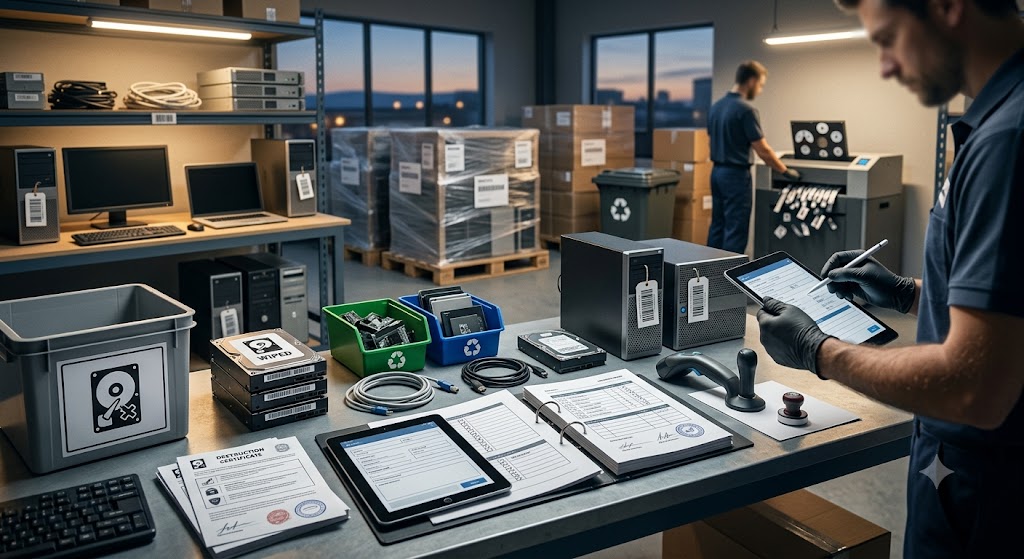
Australian businesses disposing of IT equipment must retain financial tax invoices, asset depreciation schedules, serialised Certificates of Data Destruction, and environmental transfer manifests to remain fully compliant with Australian Taxation Office (ATO) regulations and the Privacy Act 1988. Proper documentation protects your business against ATO tax penalties, costly data breach liabilities, and environmental compliance audits. The Three Pillars of IT Disposal Record Keeping in Australia Maintaining complete audit trails requires addressing three distinct areas of Australian corporate law. Pillar 1: ATO Financial & Tax Records (Tax Compliance) The Australian Taxation Office requires businesses to retain all documentation related to the acquisition, depreciation, and disposal of IT equipment to substantiate tax deductions and asset write-offs. Failing to maintain these financial records can lead to administrative penalties and disallowed tax deductions during an ATO audit. Essential ATO Tax Records to Retain: Original Purchase Invoices: Demonstrate the first element of cost, including initial acquisition price and GST paid. Asset Register & Depreciation Schedules: Document the opening adjustable value, effective life calculations, and annual depreciation claims. Proof of Disposal / Sale Receipt: Documents the termination value, whether sold for scrap, remarketed, or traded in. Balancing Adjustment Calculations: Records showing the difference between the asset’s […]
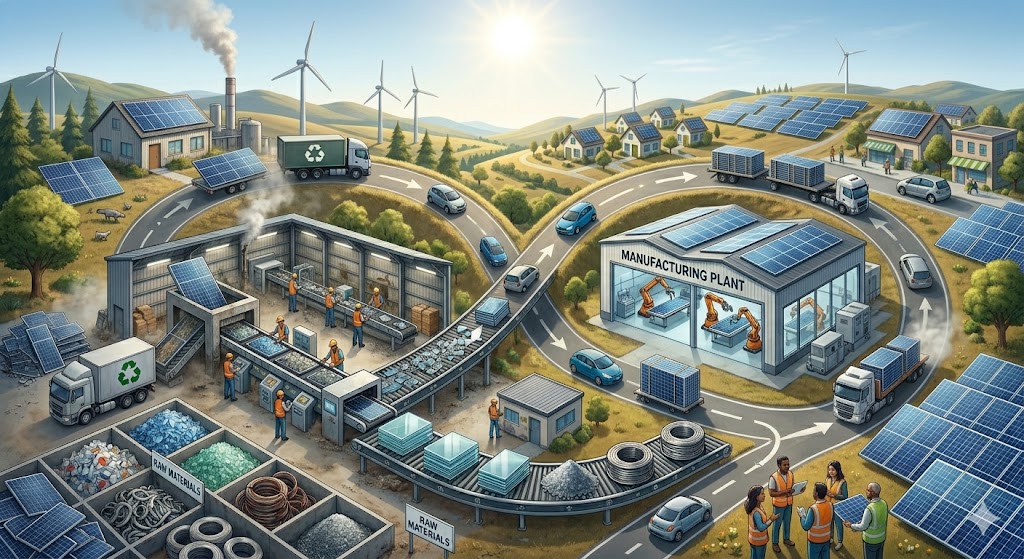
Solar energy is helping Australia move towards a cleaner future. However, as solar panels reach the end of their lifespan, proper disposal becomes important. Solar panel recycling supports a circular economy by recovering valuable materials and reducing waste. At Cyber Recycling, we help businesses and organisations manage end-of-life solar panels through responsible recycling solutions across Australia. What Is a Circular Economy? A circular economy keeps materials in use for as long as possible. Instead of making products, using them, and throwing them away, a circular economy focuses on reusing, repairing, refurbishing, and recycling materials. The goal is to reduce waste and make better use of natural resources. Solar panel recycling is a key part of this process. Why Solar Panel Recycling Matters Solar panel recycling prevents valuable materials from ending up in landfills. Most solar panels contain materials such as: Glass Aluminium Silicon Copper Silver Many of these materials can be recovered and used again in new products. This reduces the need for raw material extraction and lowers environmental impact. As more solar systems are installed across Australia, the volume of end-of-life solar panels will continue to grow. Recycling helps manage this waste responsibly. How Solar Panel Recycling Supports a […]
Other Blog
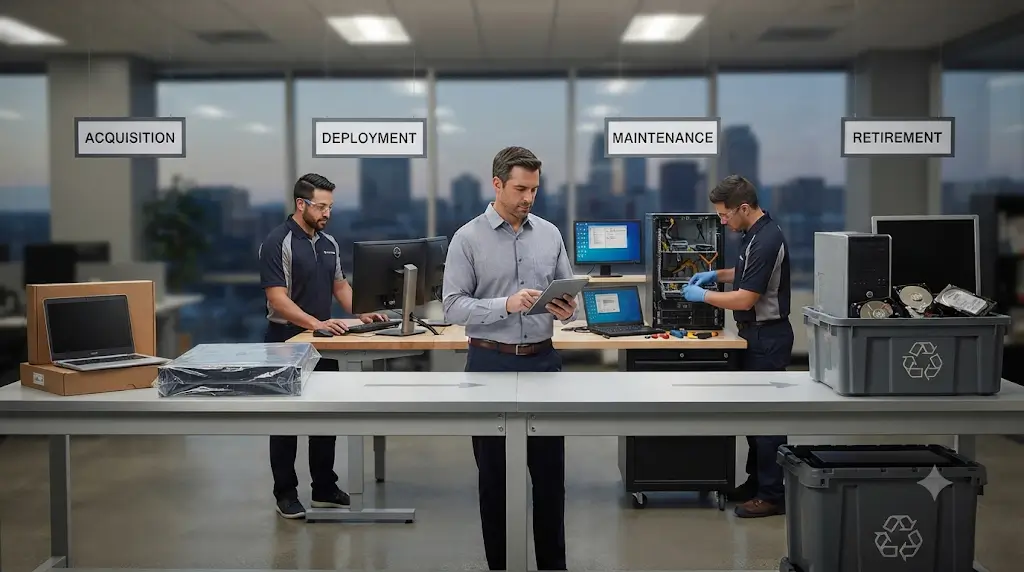
The 5 Stages of IT Asset Lifecycle…
11-19-2026
IT asset lifecycle management controls every IT asset from the moment a need is identified through to secure…
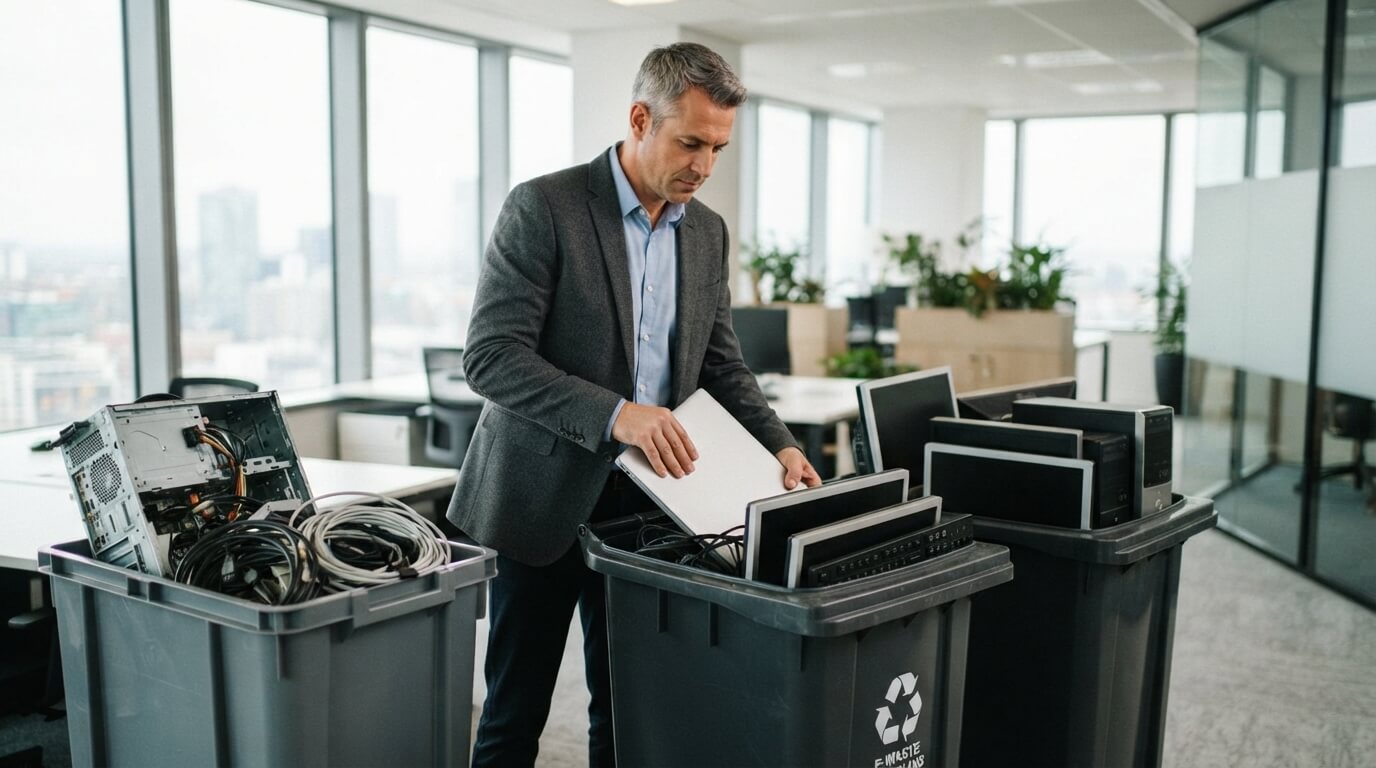
Why Your Business Needs an E-Waste Management…
11-19-2026
An e-waste management strategy is a documented plan for how an organisation stores, sanitises, reuses and recycles retired…
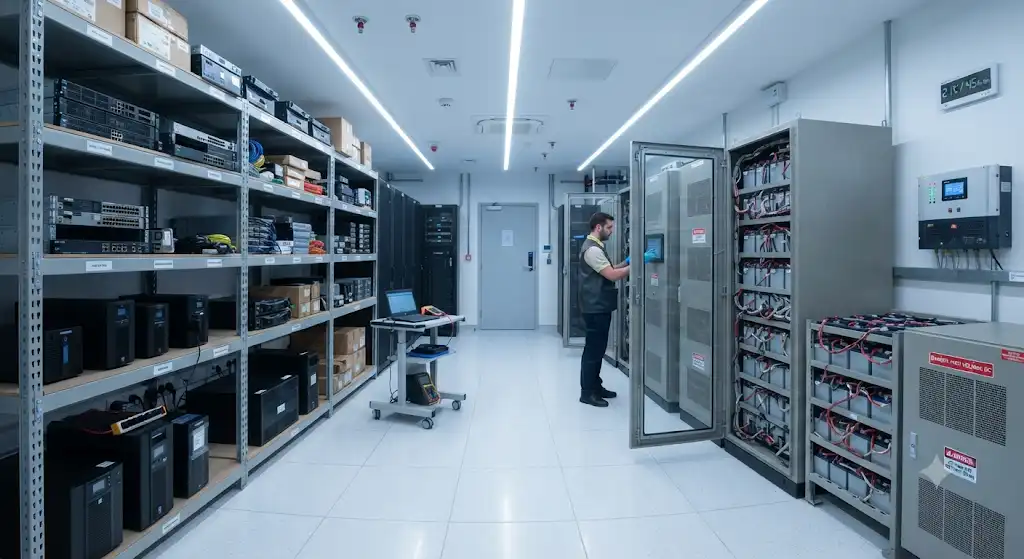
Lithium-Ion Battery Fire Hazards in the Workplace:…
11-17-2026
Lithium-ion battery fire hazards are highest when equipment is retired and placed in storage. Laptops, phones, power tools…