Test & Tag
Updates, guides, and tips on Test & Tag testing to ensure electrical safety and compliance.
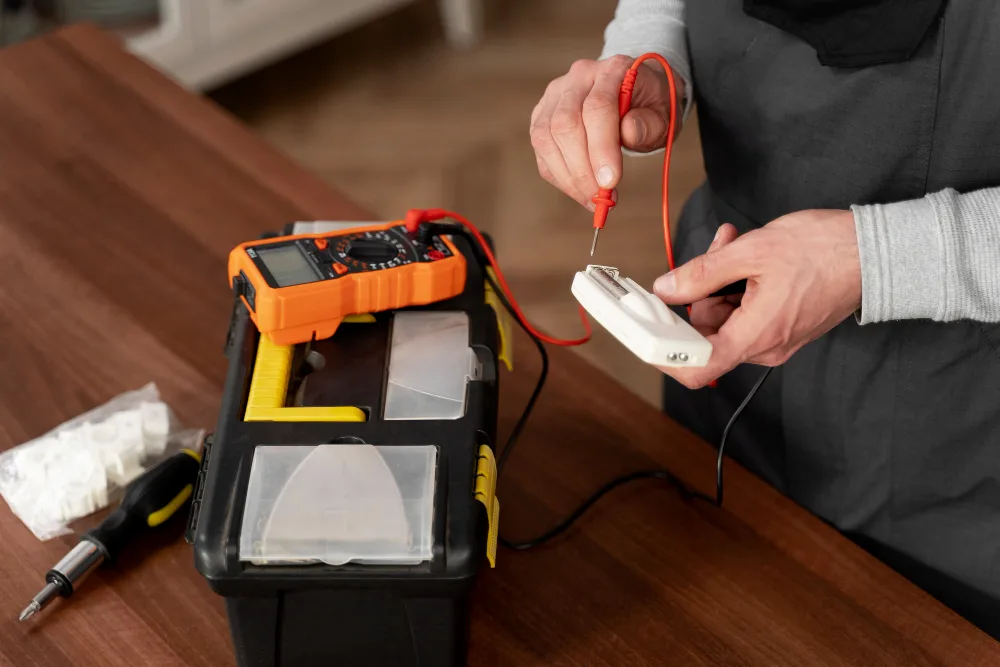
Every Perth business uses plug-in devices daily, from office computers to power tools and kitchen appliances. But even everyday appliances can become electrical hazards if neglected. As one industry guide warns, Test and Tag services are non-negotiable for compliance and safety. WA’s safety laws also require portable appliances and safety switches to be inspected and tested by qualified personnel. Implementing a structured electrical test and tag program helps companies meet these obligations and keep workplaces safe. Regulatory Framework and Compliance Obligations WA law sets clear rules. The OSH Act requires workplace electrical equipment to be safe, and WA regulations mandate that those in control of a site have all plug-in equipment and RCDs inspected, tested, and maintained by a competent person. In practice, this means following the AS/NZS 3760:2022 standard for portable appliance testing. Australian Standards and Qualifications The AS/NZS 3760:2022 code governs how and when appliances and RCDs must be tested. It specifies that only a competent person, typically a trained technician or electrician, may conduct the tests. The standard also requires detailed records for every device tested, including dates, results, and next due dates. Duty of Care and Consequences Employers have a legal duty of care for workplace […]
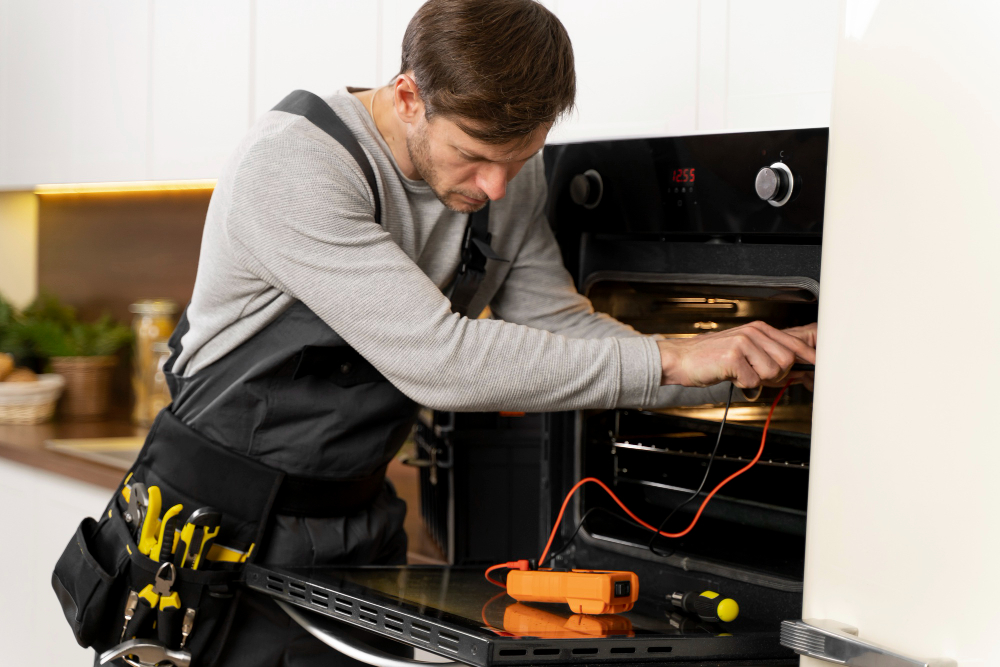
Microwaves are designed to keep energy inside the oven, and when seals, latches or internal parts wear out, tiny amounts of radiation can escape. Regular microwave leakage testing and a proper microwave oven leakage test stop small faults from becoming real safety concerns. Microwave safety testing is straightforward when handled correctly. A professional check ensures your oven is safe to operate and keeps your household protected. Read on to learn how microwave radiation works, what risks leaks can cause, how a leakage detector test is performed, and practical safety steps you can use at home or at work. Understanding Microwave Oven Radiation How it Heats Microwave ovens work by using non-ionising electromagnetic waves at about 2.45 GHz. These waves cause water molecules in the food to vibrate, creating friction that rapidly generates heat and cooks the food. Non-Radioactive Waves Microwaves are different from X-rays or nuclear radiation because they do not make food or the oven radioactive. Once the oven is switched off, the microwaves stop instantly, and no residual energy remains. Built-in Shielding Ovens are designed to contain the radiation. Metal walls and a fine-mesh screen in the door keep microwaves inside the cooking chamber. This helps to make […]
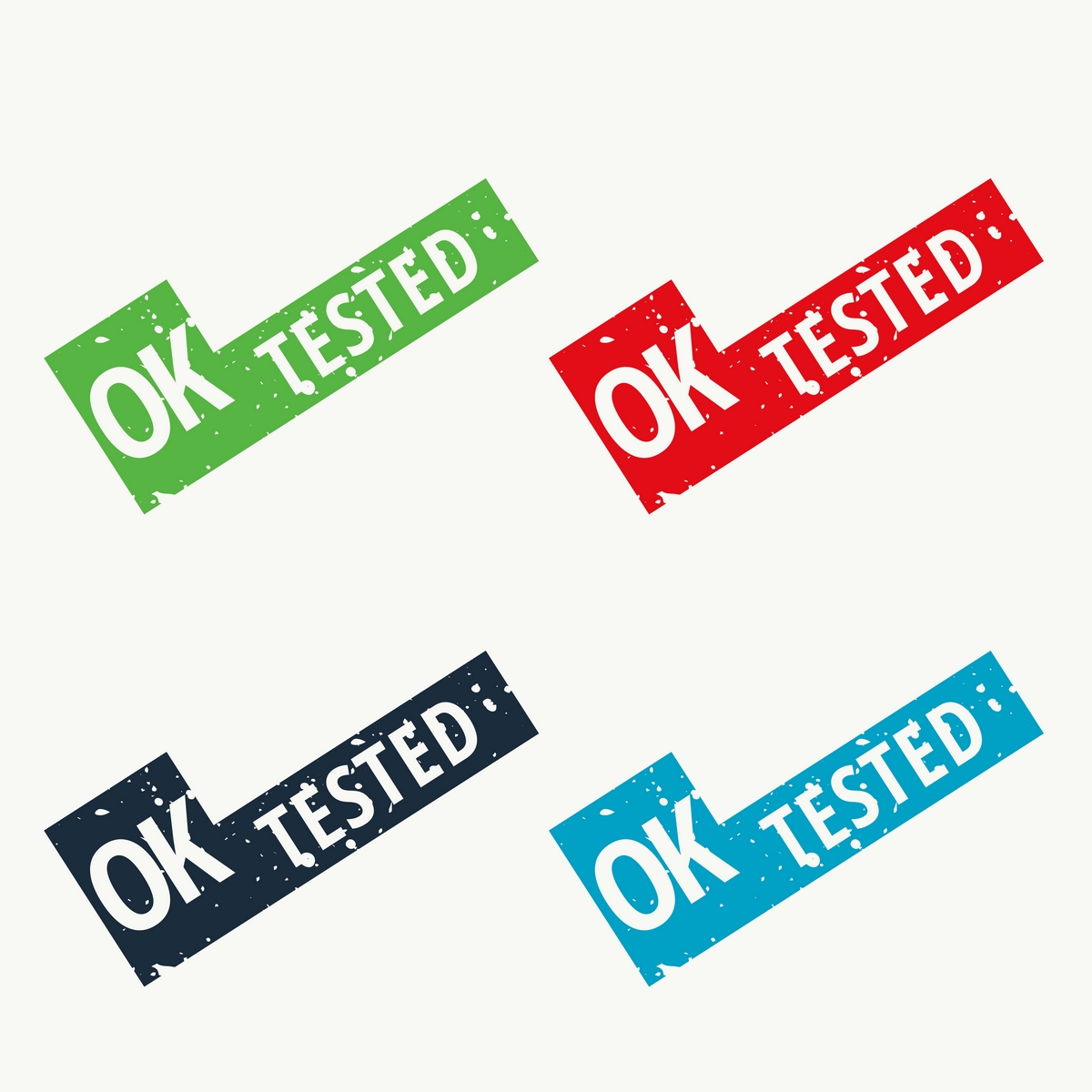
Suppose you live or work in Western Australia and you handle old computers or other electrical gear before sending them for recycling. In that case, you have probably noticed the coloured tags that technicians attach to plugs and appliances. Those tags do more than look neat. They are a quick way to show when an appliance was last checked for safety and if it can be handled, repurposed, or must be isolated as faulty. With e-waste now tightly regulated in WA, knowing what the colours mean helps you meet safety rules and makes e-waste collection smoother and safer. Global electronics waste is growing fast, and Australia produces a large share per person. The world generated 62 million tonnes of e-waste in 2022. That trend is exactly why safe handling and clear tagging matter. The common Colours and Their Quarterly Schedule In WA, the most common system for construction, mining and other high-risk sites follows a four colour rotation. The colours are red, green, blue and yellow. Each colour aligns with a three-month period, so you can see at a glance when an item was last tested. Red tags cover December, January and February Green tags cover March, April and May […]
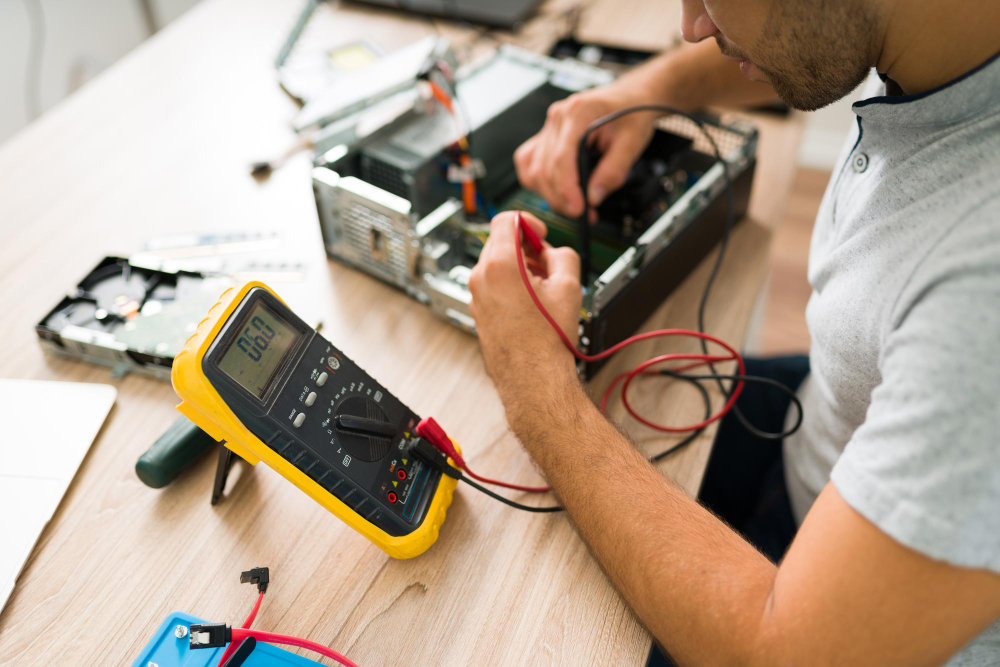
We are tossing out electronics faster than ever. 62 million tonnes of e‑waste hit the landfill in 2022, up around 82 percent since 2010. And at this pace, we could be looking at 82 million tonnes by 2030. This includes anything with a plug, battery, or cord, from old computers and peripherals to mobile phones and appliances. Discarded electronics often contain harmful elements, such as mercury, lead, cadmium, and the like, that can poison ecosystems and put human health at risk if they aren’t handled correctly. In Australia, e-waste is officially regulated, and since 2019, anything with a cord or battery is banned from landfill. In other words, our old IT equipment must be disposed of safely and recycled properly. Test and tag, also known as Portable Appliance Testing (PAT), is the industry-standard method for ensuring electrical appliances are safe before reuse or disposal. It involves a visual inspection for damage and an electrical safety test using a PAT tester.By verifying that equipment is safe, or flagging it if it isn’t, test and tag reduces shock and fire hazards and maximizes the potential for reuse. This is especially important when dealing with end-of-life computers and other IT gear. The E-Waste Challenge Australians discard […]
Other Blog
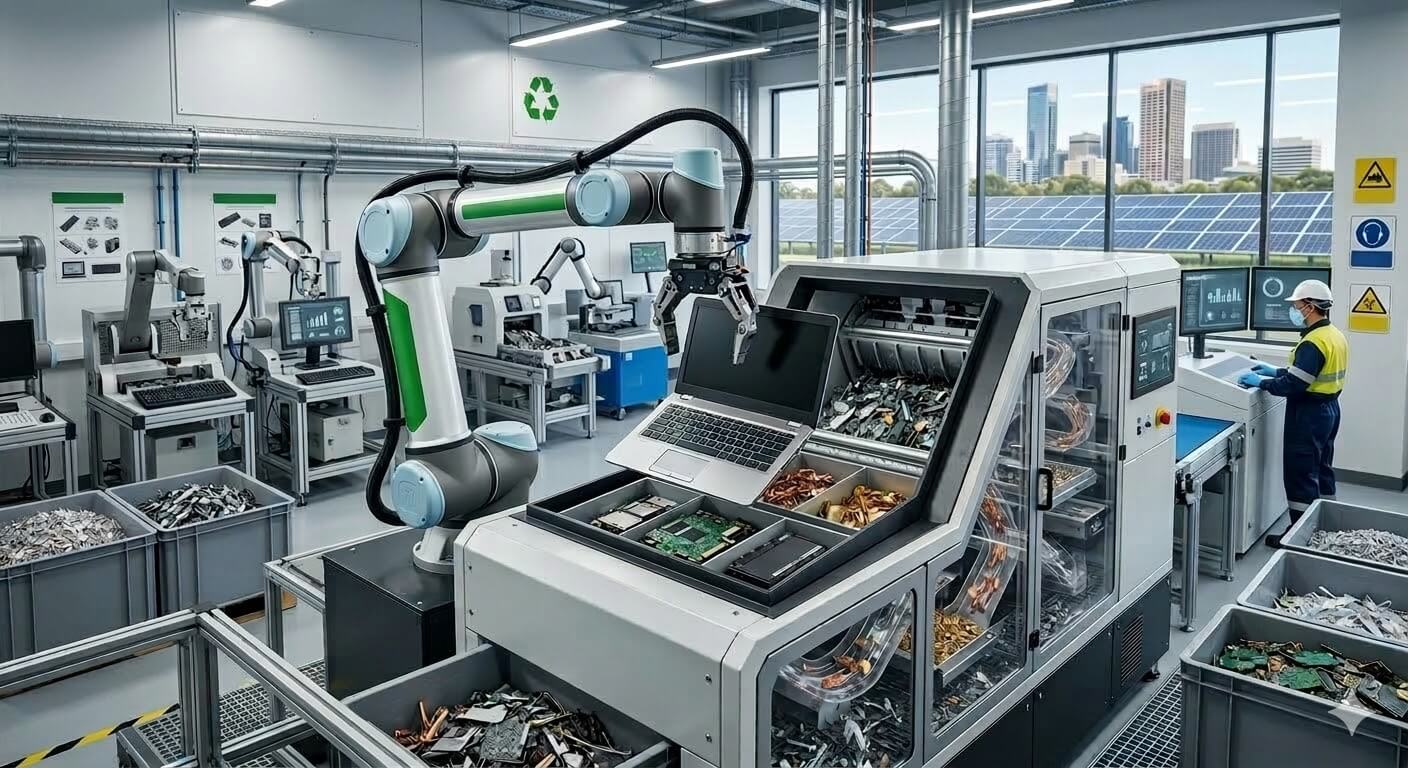
The Future of E-Waste Recycling in Australia
03-16-2026
Technology is evolving rapidly, and so is the amount of electronic waste we generate every year. Businesses and…
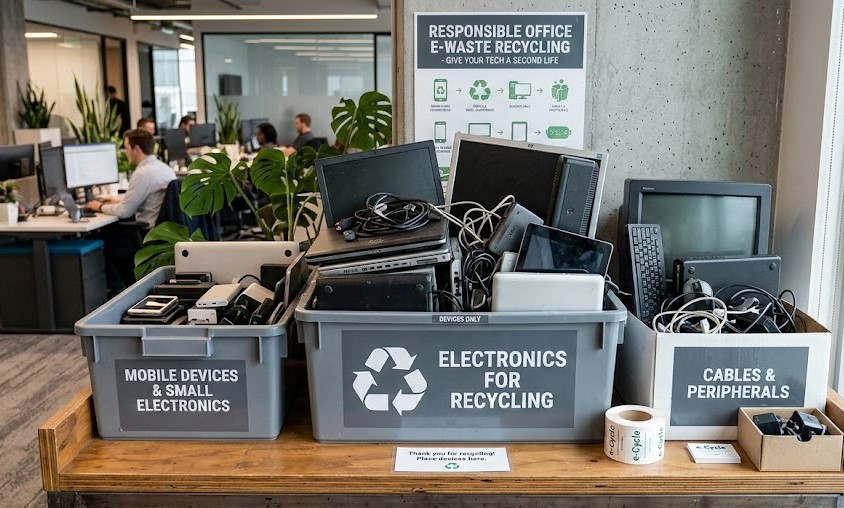
How to Prepare Your Devices for Recycling…
03-04-2026
When it’s time to upgrade your office technology, proper preparation is essential before sending devices for e-waste recycling…
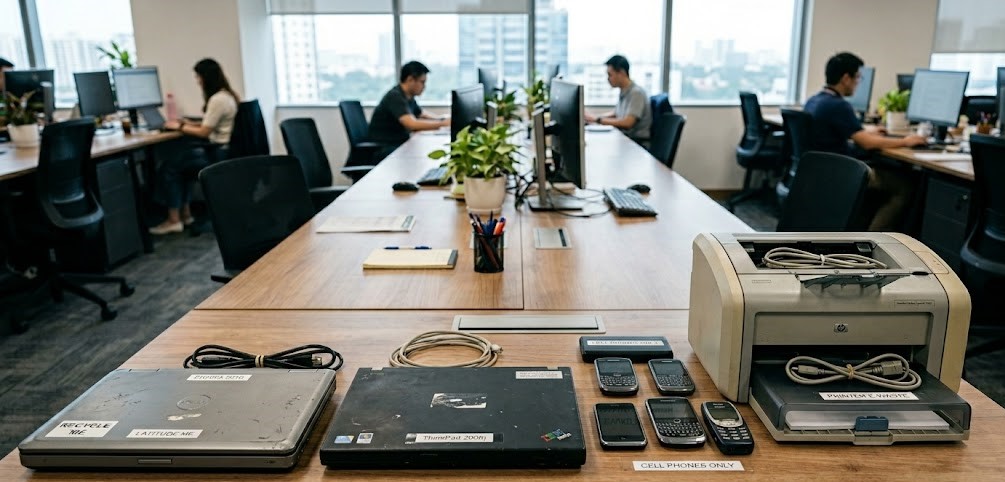
Office E-Waste Recycling Guide for Aussie Businesses
03-04-2026
For businesses, improper e-waste disposal isn’t just environmentally harmful; it can also violate compliance obligations under Australian e-waste…