Recycling
Stay informed on e-waste recycling methods, laws, and sustainability practices.
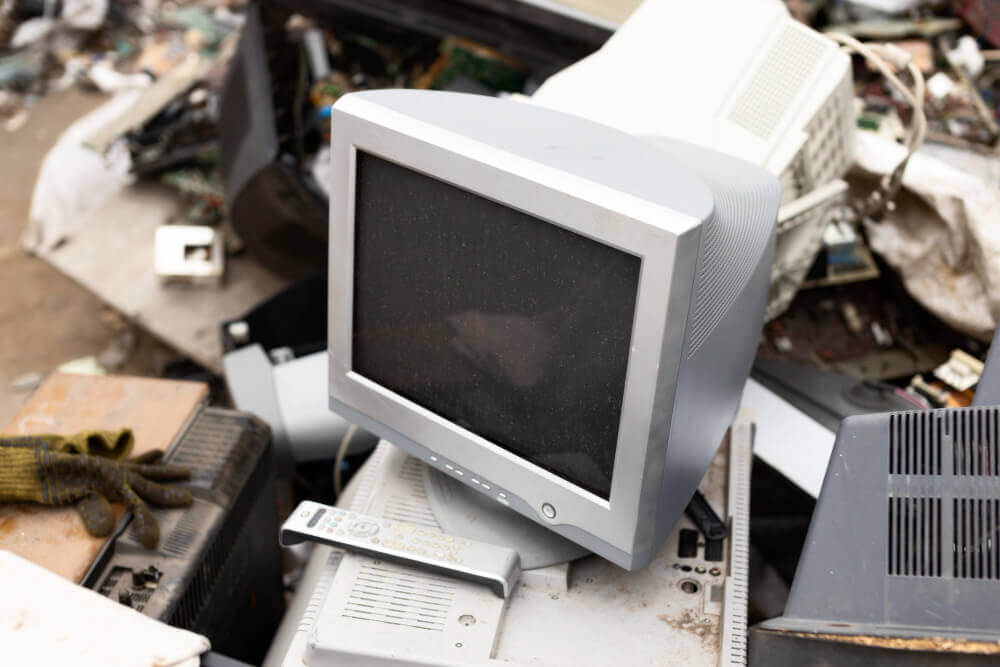
Electronics waste, or e-waste, is a growing global crisis. In 2022, the world generated a record 62 million tonnes of e-waste, yet only about 22% was properly recycled. To put that in perspective, that’s roughly 137 billion pounds of discarded TVs, phones, PCs, and more, with less than one-quarter recycled. Many of these devices, like old laptops, desktops, and monitors, contain toxic chemicals. One UN report notes that e-waste contains toxic additives or hazardous substances such as mercury that harm human health and the environment. Therefore, merely discarding an outdated computer or monitor increases the danger of soil and water pollution by allowing metals and chemicals to leak into landfills. That’s why old computer disposal must be done responsibly: recycling or donating old machines prevents pollution, conserves resources, and even helps protect your personal data. Why Recycling Old Computers Matters Piles of outdated computers and monitors can leak dangerous substances if not handled properly. Most old PCs contain components with hazardous materials. Let’s take the case of old CRT monitors; these monitors contain enough lead that they are classified as hazardous waste if thrown out normally. If these toxins aren’t recycled, they can contaminate soil and groundwater. Moreover, electronics are […]
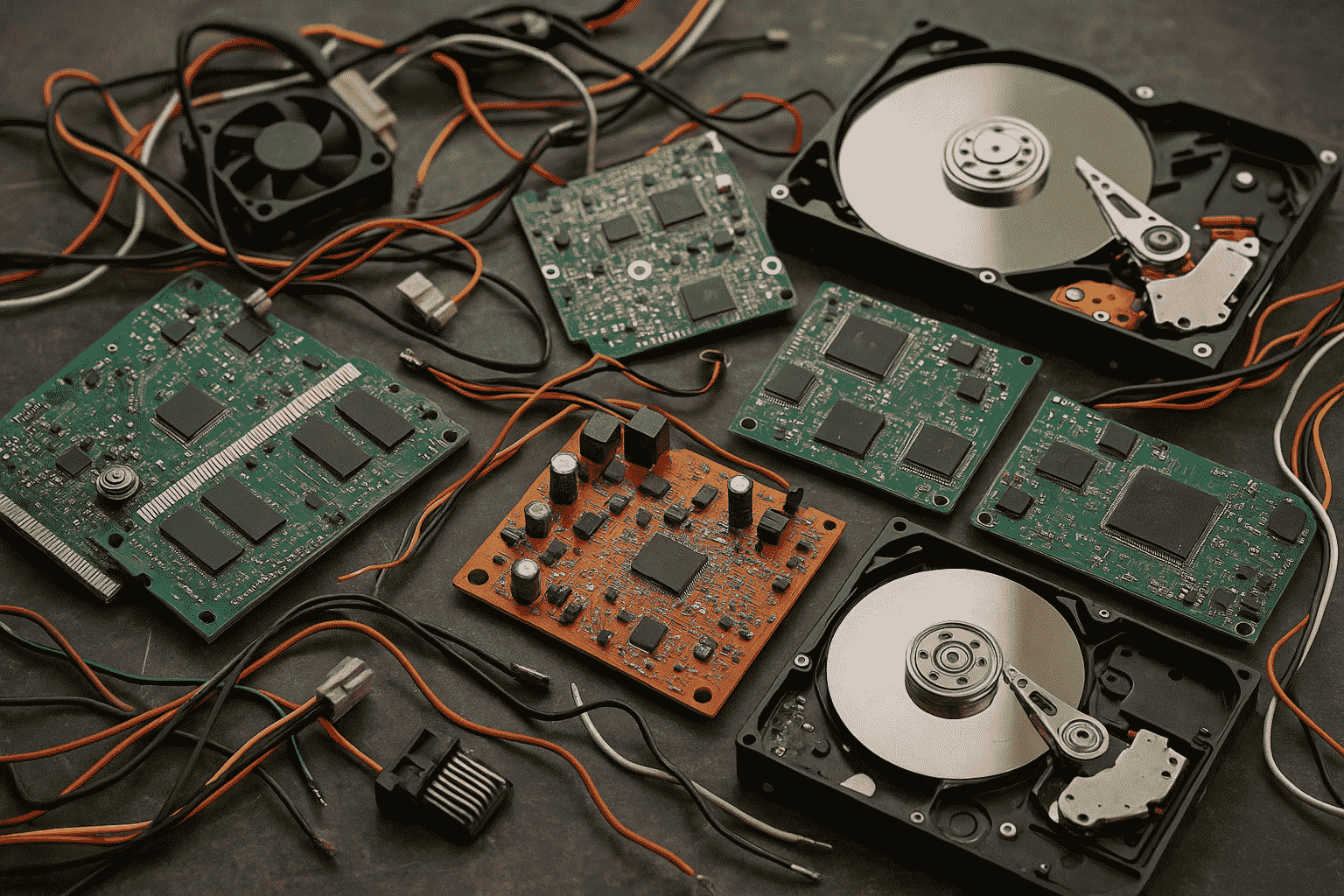
Electronic waste, or “e-waste” as they are commonly known, is growing rapidly worldwide and posing a threat to our environment. Each year, the number of discarded gadgets like phones, laptops, TVs, appliances, and more keeps rising. Most of these electronics contain toxins that are harmful to our environment. A record 62 million tonnes of e-waste were produced worldwide in 2022 alone. To put it in perspective, it is around roughly 40,000 km of 40-tonne trucks lined up end-to-end. Even worse than the volume is the fact that only roughly 22% of this e-waste was properly gathered and recycled.. As a result, precious metals worth around $62.5 billion per year sit idle in landfills, and the potential risk of toxic substances leaking is ever imminent. Here we will focus on what e-waste is and why recycling e-waste is important, how e-waste is processed, a step-by-step guide for consumers to Recycle E-Waste correctly, and offer tips on how to minimize e waste. What Is E-Waste? To start with, “E-waste” refers to any discarded electrical or electronic equipment once it’s no longer wanted or is functional. As you can guess, this often includes a vast range of items we use daily: Computers, laptops, […]
Other Blog
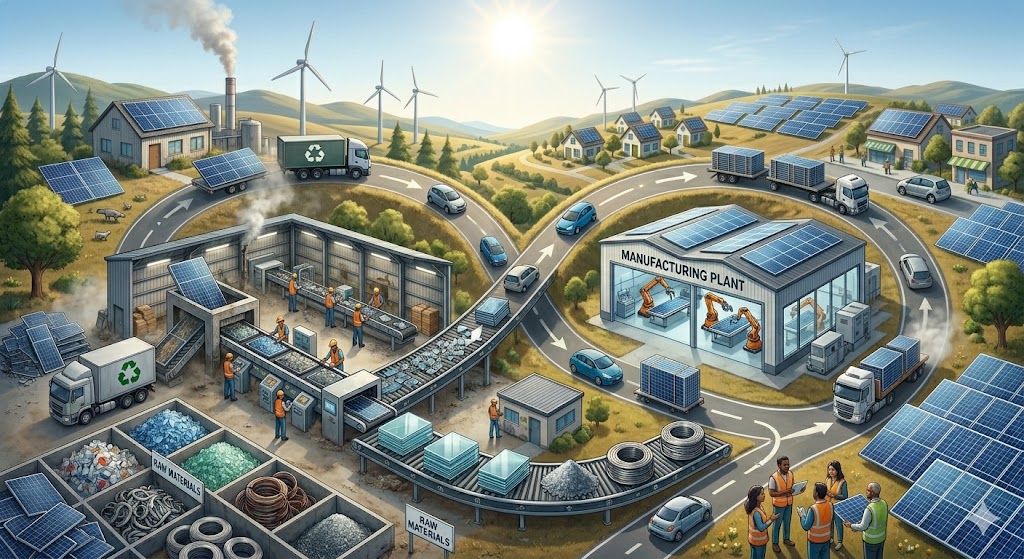
How Solar Panel Recycling Supports a Circular…
06-22-2026
Solar energy is helping Australia move towards a cleaner future. However, as solar panels reach the end of…
How to Delete Mobile Data Permanently Without…
05-20-2026
Old smartphones often contain sensitive personal and business information, including photos, banking details, emails, passwords, contacts, and confidential…
Top 10 Places to Get Cash for…
01-19-2026
Upgrading your smartphone is exciting—but knowing what to do with your old phone can be confusing. Many Australians…