Recycling
Stay informed on e-waste recycling methods, laws, and sustainability practices.

Recycling plays a vital role in reducing landfill waste, conserving resources, and protecting our environment. However, many people are unaware that not all waste is recyclable. Putting non-recyclable items in your recycling bin can contaminate entire batches, making them unusable and increasing processing costs. In this guide, we’ll explain which waste is not recyclable and why, helping you recycle more effectively and protect your local recycling system. What Is Non-Recyclable Waste? Non-recyclable waste refers to materials that cannot be processed by standard recycling facilities due to safety concerns, contamination, or limitations in current recycling technology. These items may: Contaminate recyclable materials Damage to recycling equipment Release toxins or hazardous substances Have no viable recycling market Understanding what can’t be recycled is just as important as knowing what can. Top 10 Non-Recyclable Items You Should Know About 1. Plastic Bags and Soft Plastics Plastic bags, cling wrap, and soft plastics clog sorting machines and can’t be processed in most curbside programs. Tip: Reuse or return them to designated supermarket soft-plastic bins. 2. Polystyrene / Styrofoam Foam cups, takeaway trays, and packing peanuts are lightweight and hard to recycle due to cost and contamination risks. 3. Broken Glass Unlike clean glass bottles, […]
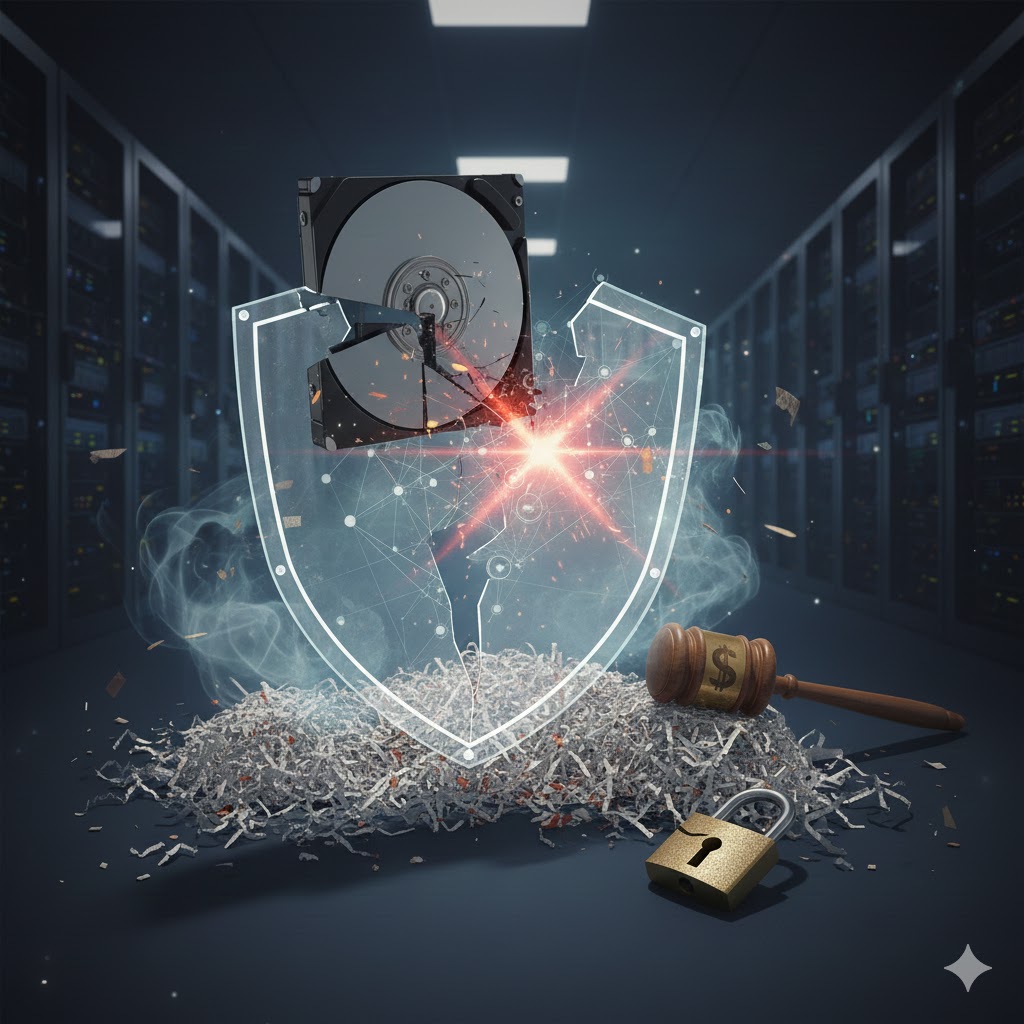
In today’s digital world, confidential data is one of the most valuable and vulnerable assets a business holds. From customer records and financial details to employee information and intellectual property, sensitive data must be securely destroyed when it is no longer needed. Failing to properly destroy confidential data can lead to serious legal, financial, and reputational consequences, especially for Australian organisations that must comply with strict data protection laws. 1. Increased Risk of Data Breaches When data is not securely destroyed, it can be easily recovered from old computers, hard drives, servers, mobile phones, and storage devices. Even deleted files can often be retrieved using basic recovery tools. A single data breach can expose: This puts both your customers and your organisation at significant risk. 2. Legal and Regulatory Penalties in Australia Australian businesses are required to protect personal and sensitive information under the Privacy Act 1988 and the Australian Privacy Principles (APPs). If confidential data is mishandled or improperly destroyed, organisations may face: Non-compliance can be extremely costly, especially for businesses handling large volumes of data. 3. Financial Losses and Business Disruption Data breaches resulting from poor data destruction practices often lead to major financial losses, including: For small […]
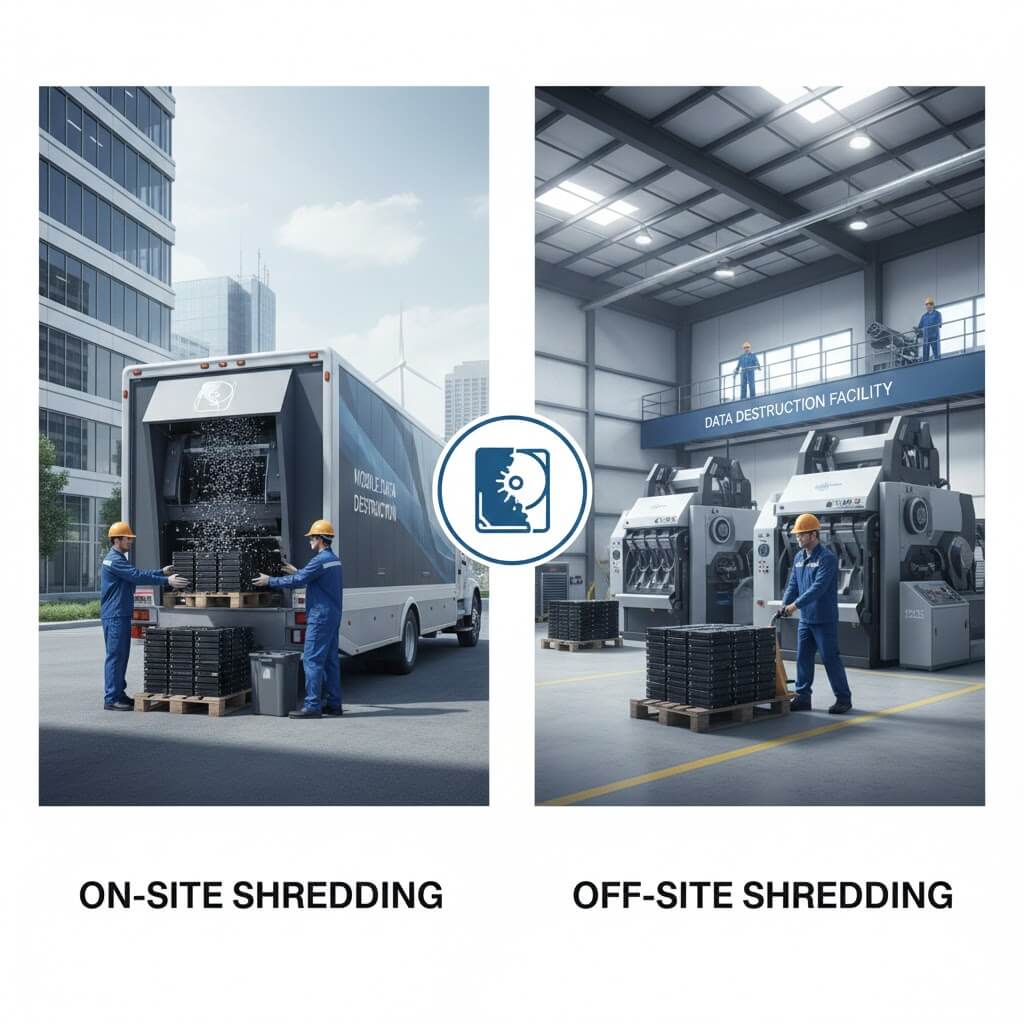
When disposing of old hard drives, protecting confidential information is critical. Businesses and individuals rely on secure data deletion to ensure sensitive files cannot be recovered. In Darwin, two popular methods are used for secure drive destruction: on-site hard disk shredding and off-site shredding. Many people wonder which option offers better security. In reality, both are equally safe when performed by a reliable and certified provider like Cyber Recycling. On-Site Hard Disk Shredding in Darwin On-site shredding involves a mobile destruction unit arriving at your location.Benefits include: This option provides complete transparency and is ideal for businesses that prefer real-time data deletion services at their premises. Off-Site Hard Disk Shredding in Darwin Off-site shredding means your drives are collected, sealed, and securely transported to a certified destruction facility.Advantages include: Off-site shredding is backed by strict handling procedures, ensuring every drive is managed securely from collection to final destruction. On-Site Vs Off-Site Hard Disk Shredding in Darwin: Which One Is Safer? Both on-site and off-site shredding methods are equally safe — the real difference lies in choosing a trusted partner.A reputable provider like Cyber Recycling ensures: Whether you choose the convenience of off-site shredding or the added visibility of on-site destruction, […]
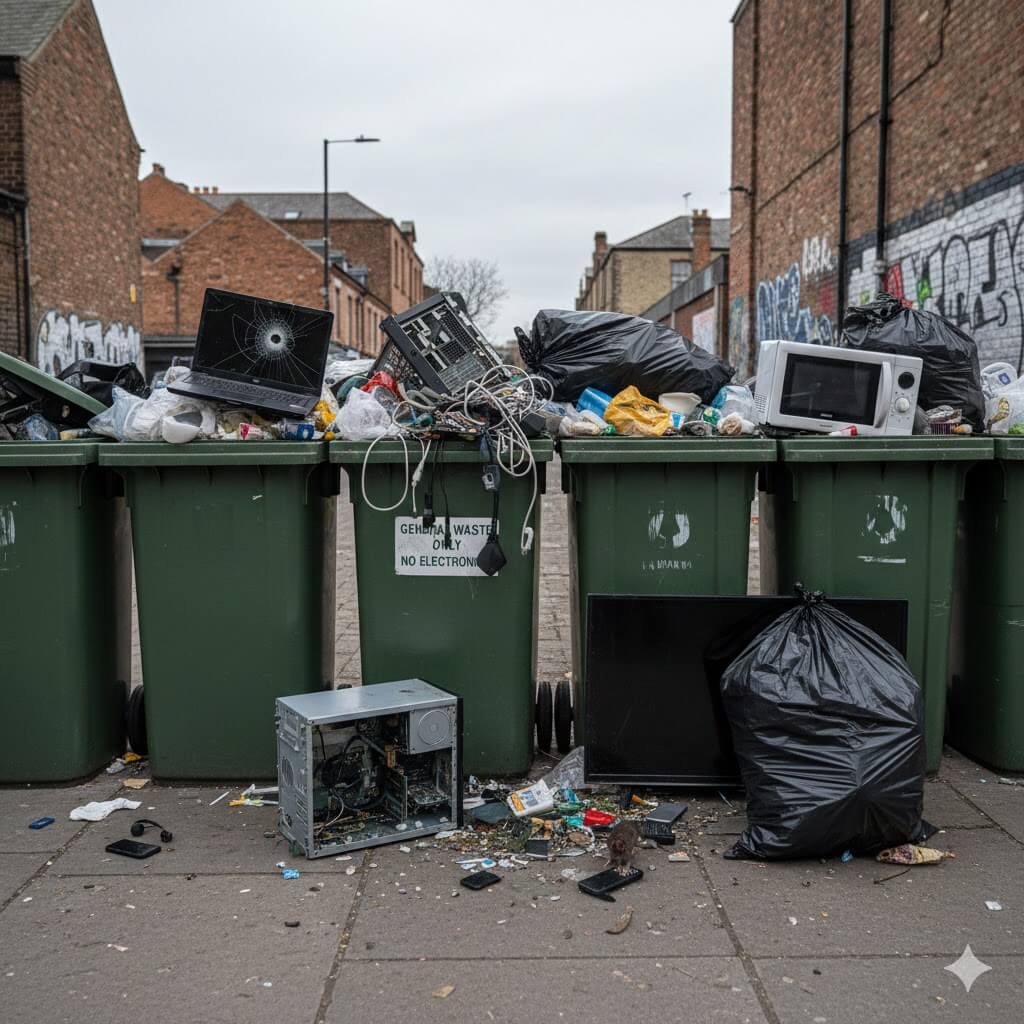
Electronic waste (e-waste) is growing rapidly across Western Australia, yet many households and businesses still dispose of old devices in general waste bins. While it may seem convenient, this practice has serious environmental, health, and legal consequences. Understanding these hidden risks can help you make safer, more responsible choices when disposing of unwanted electronics. What is E-Waste, and Why Can it not Go in General Bins E-waste includes any electronic or electrical item that is no longer useful—computers, printers, phones, TVs, small appliances, cables, batteries, and more.These items contain hazardous materials like lead, mercury, cadmium, lithium, and flame retardants, which should never enter landfill waste streams. When e-waste is thrown into general bins, it becomes a threat not only to the environment but also to public health and worker safety. Environmental Risks: Toxic Leaks and Soil Contamination Once e-waste reaches a landfill, toxic chemicals begin to leach into the soil and groundwater. Heavy metals from batteries, screens, and circuit boards can contaminate land for decades, ultimately affecting plants, wildlife, and drinking water sources. This long-term pollution is one of the main reasons the WA Government strongly discourages disposing of electronics with regular household rubbish. Fire Hazards and Waste Facility Explosions […]
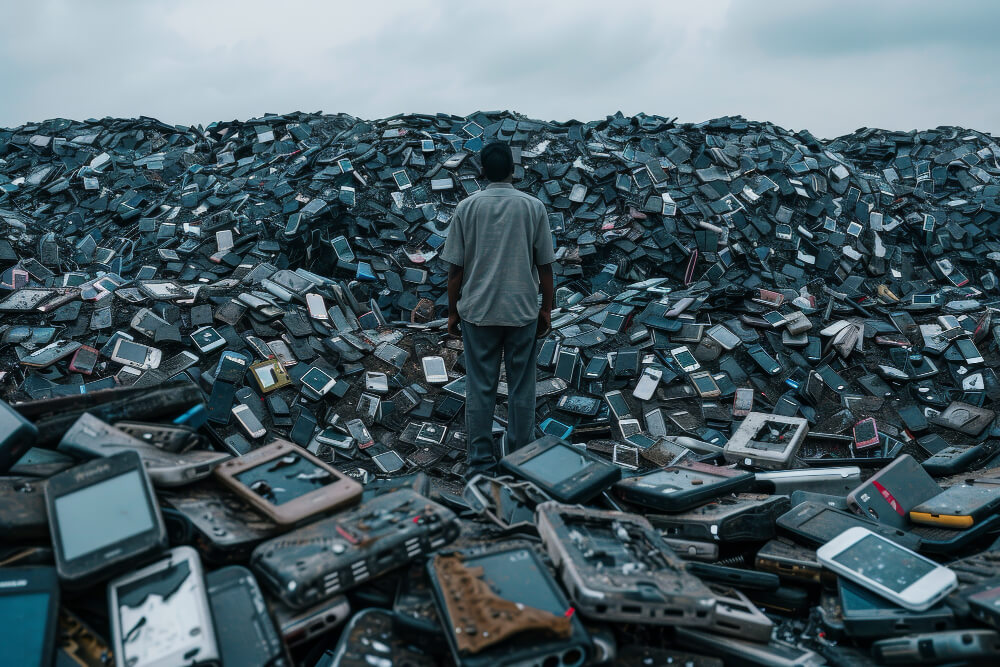
Electronic waste is one of the fastest-growing waste streams in Western Australia. As Perth continues to upgrade its technology—from home appliances to office devices—responsible e-waste recycling has become more important than ever. This guide explains what e-waste is, why it matters, and how Perth households and businesses can recycle it safely with trusted services like Cyber Recycling. What Is E-Waste? E-waste refers to any electronic or electrical item that is unwanted, obsolete, broken, or no longer useful. Common examples include: E-waste should never be placed in regular rubbish bins. Many items contain hazardous materials such as lead, mercury, and cadmium, which can contaminate Perth’s soil and waterways if not managed correctly. Why E-Waste Recycling Matters in Perth Proper electronic waste recycling helps protect the environment and supports Western Australia’s sustainability goals. Some key benefits include: 1. Recovering Valuable Materials Items like computers and phones contain precious metals such as gold, copper, and aluminium. Recycling helps reclaim these materials without mining new resources. 2. Protecting Perth’s Environment Incorrect disposal can release harmful toxins that affect soil, groundwater, and wildlife. 3. Reducing Landfill Pressure E-waste takes up unnecessary space in WA landfills and releases harmful chemicals over time. Recycling ensures materials are […]
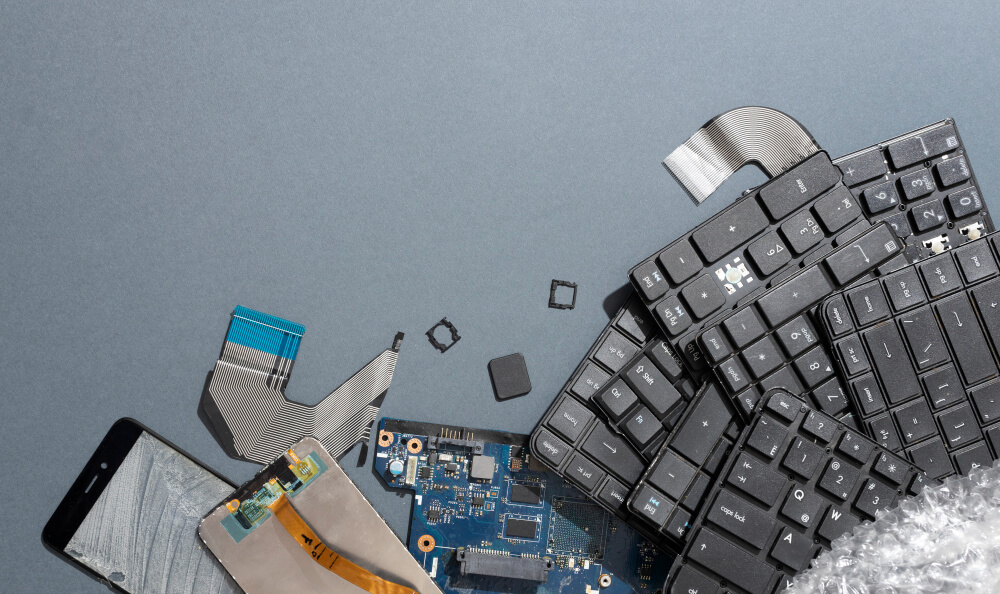
Electronic waste, or e-waste, is one of Australia’s fastest-growing waste problems. With new gadgets and appliances entering our homes every year, it’s important to know how to recycle old electronics safely. Below is a simple guide to help you understand what e-waste is, why it matters, and how you can recycle it properly. What Counts as Household E-Waste? E-waste includes any electrical or electronic device you no longer use or that no longer works. Common examples are: In Australia, e-waste should never be thrown in general rubbish bins because it contains hazardous materials that can harm the environment. Why Is Proper E-Waste Recycling Important in Australia? Recycling e-waste has several benefits: By recycling correctly, you help create a cleaner and safer environment. How to Recycle E-Waste at Home Australian households have many easy options for e-waste recycling: When handling e-waste at home, Cyber Recycling makes it simple. Just set aside your old electronics, and they take care of the rest. Their expert team handles secure removal, data sanitisation, and environmentally responsible disposal. Plus, they issue certificates to prove your devices were processed safely and in compliance with Australian standards. This means you don’t need to worry about complicated drop-offs or […]
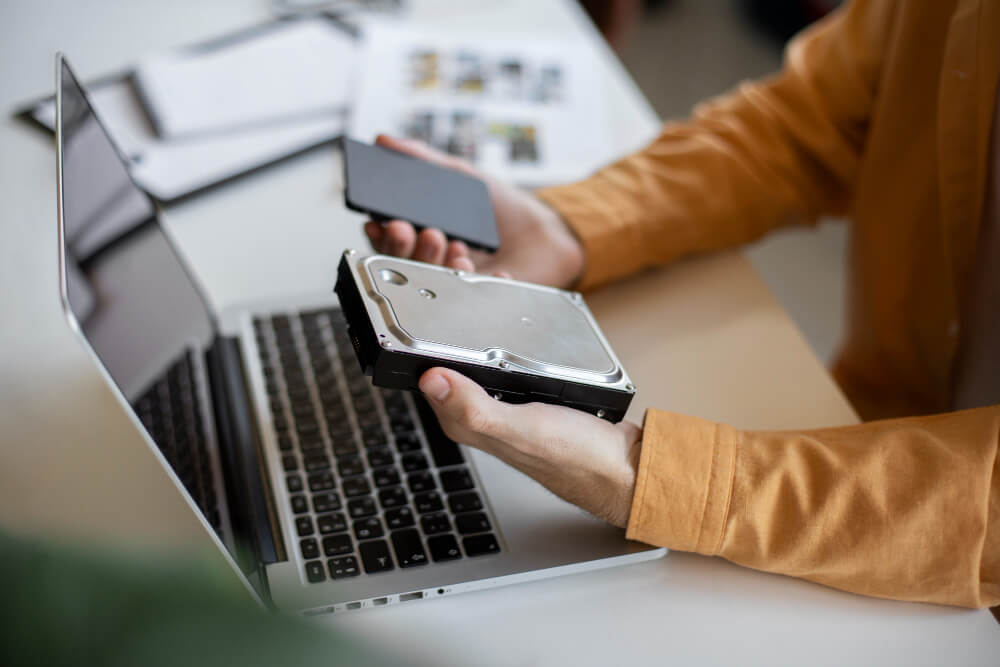
Hard disks are everywhere—our computers, laptops, and even servers rely on them. But when it’s time to upgrade or retire your device, recycling the hard disk safely isn’t as simple as throwing it in the bin. Old hard drives contain a treasure trove of sensitive data and valuable materials. Getting rid of them responsibly protects your privacy and the environment. Here’s how to do it right, based on best practices from industry leaders like Cyber Recycling. Backing Up First: Don’t Lose Your Files Deleting files or reformatting your disk doesn’t fully remove your data. Imagine tearing a piece of paper into big chunks — it’s still possible to piece it back together. That’s why simple deletion isn’t enough. Reliable data wiping software like WipeDrive overwrites the entire disk multiple times. This process completely scrambles the information so it cannot be recovered, even with advanced tools. Cyber Recycling uses WipeDrive as part of its secure hard disk drive shredding process, ensuring your hard disk is wiped to meet strict data-security standards recognised across Australia. This level of wiping is trusted by businesses, government organisations, and IT departments that need guaranteed data protection. After wiping is complete, you receive a certificate confirming […]
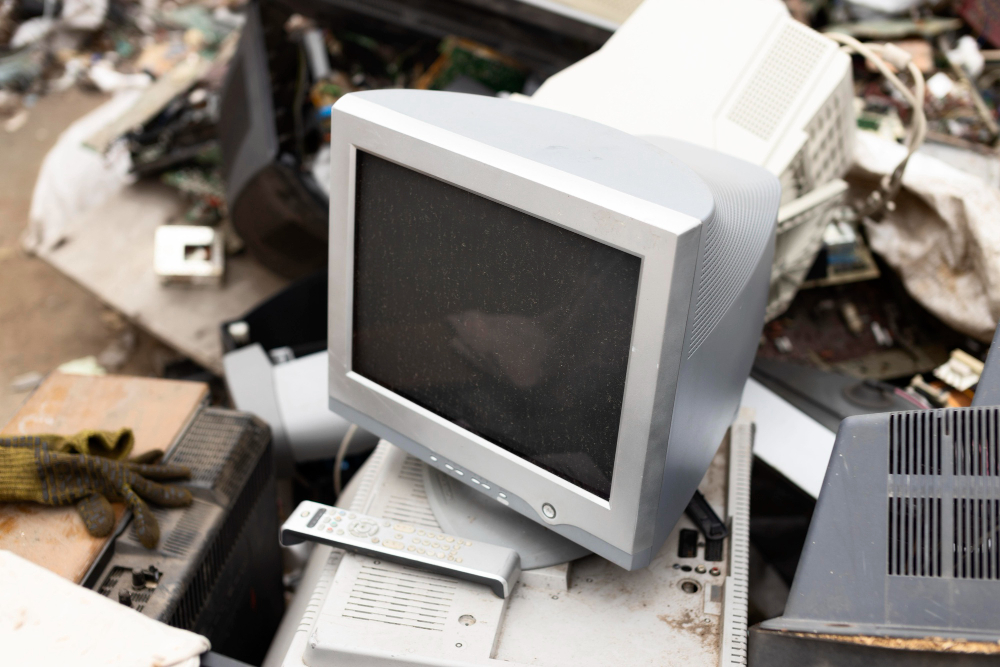
Old computers often contain sensitive data and valuable materials, yet many Australians still don’t know the safest way to dispose of them. With e-waste growing faster than any other waste stream, proper computer recycling is essential for protecting your privacy and staying compliant with national regulations. By choosing the right recycling methods, you can ensure your old devices are handled securely and sustainably. Businesses managing bulk IT equipment can also benefit from professional IT asset disposal services that ensure every device is processed responsibly. Why Proper Computer Recycling Matters Old computers contain valuable materials such as gold, copper, and rare earth metals. Recovering these reduces the need for mining and lowers environmental footprints. At the same time, outdated devices store sensitive data that must be securely destroyed. Improper disposal risks data breaches, pollution from toxic components, and hefty fines under Australian regulations. Responsible computer recycling is a win-win: safeguarding privacy, helping the planet, and complying with laws. Step 1: Secure Your Data Before Recycling Before parting with your old computers, back up any essential files. Then, perform secure data wiping or use professional data destruction services. Simply deleting files or formatting is not enough; these actions only remove pointers to […]
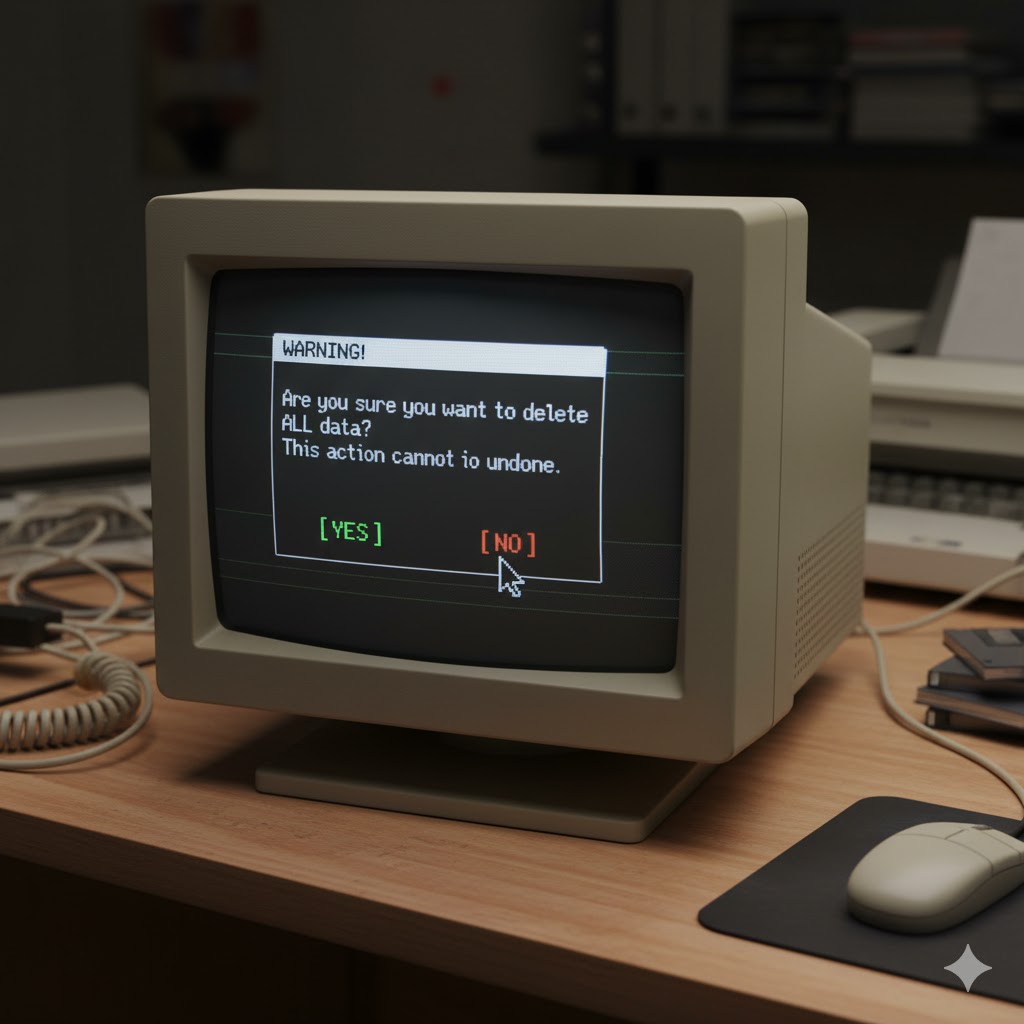
When businesses recycle old computers, phones, and other electronics, one of the biggest concerns is data security. Many companies wonder: do electronics recyclers wipe data before processing old devices? At Cyber Computer Recycling, we understand how important this question is — especially for organisations handling sensitive information. Here’s how professional data wiping works and what businesses should know before recycling old equipment. How Data Wiping Works in Electronic Recycling As a certified e-waste recycler in Australia, we use secure data destruction methods to ensure your information is never exposed. Our data wiping and destruction services include: Many recyclers rely only on basic formatting, which does not protect against data recovery. Our processes follow strict standards to guarantee complete and irreversible data destruction. Why Secure Electronics Recycling Is Important Secure electronics recycling isn’t just good practice — it’s essential for compliance. Mishandled data can lead to legal issues, penalties, and reputational damage. Cyber Computer Recycling follows strict data security protocols aligned with industry regulations. We also provide a Certificate of Data Destruction so your business has documented proof that all data has been securely erased — a requirement for audits and compliance reporting. What Businesses Should Look For When choosing a […]

Western Australia has embraced solar power with thousands of rooftops and large-scale installations harnessing the abundant sunlight. While solar panels provide clean energy and lower carbon emissions, they also create a growing waste stream at the end of life. With most PV modules lasting 25–30 years, the first generations of WA’s solar panels are now approaching replacement. The environmental impact of this solar panel disposal is emerging as a concern. Let’s examine how much solar waste WA faces, its hazards, and the recycling and policy measures being developed. Solar PV Growth and Waste Forecast Solar energy adoption in WA has surged. As of 2023, about 483,885 rooftop solar units have been installed across the state. Nearly 40% of WA dwellings now have solar, generating over 2812 MW of clean electricity. This rapid uptake means a large volume of panels will reach the end of life in the coming decades. Globally, solar PV capacity is also rising; Australia alone has over 3 million rooftop systems. Projected Waste Volumes in WA and Australia The inevitable result is mounting solar waste. In WA, experts estimate that by 2035, more than 100,000 tonnes of end-of-life modules could be sent to landfill. Nationally, projections are even […]
Other Blog
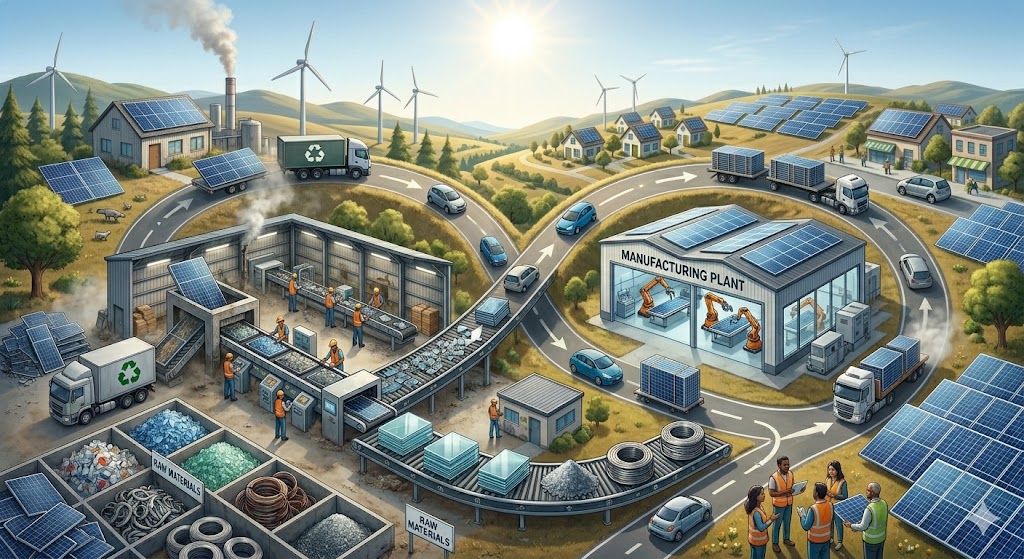
How Solar Panel Recycling Supports a Circular…
06-22-2026
Solar energy is helping Australia move towards a cleaner future. However, as solar panels reach the end of…
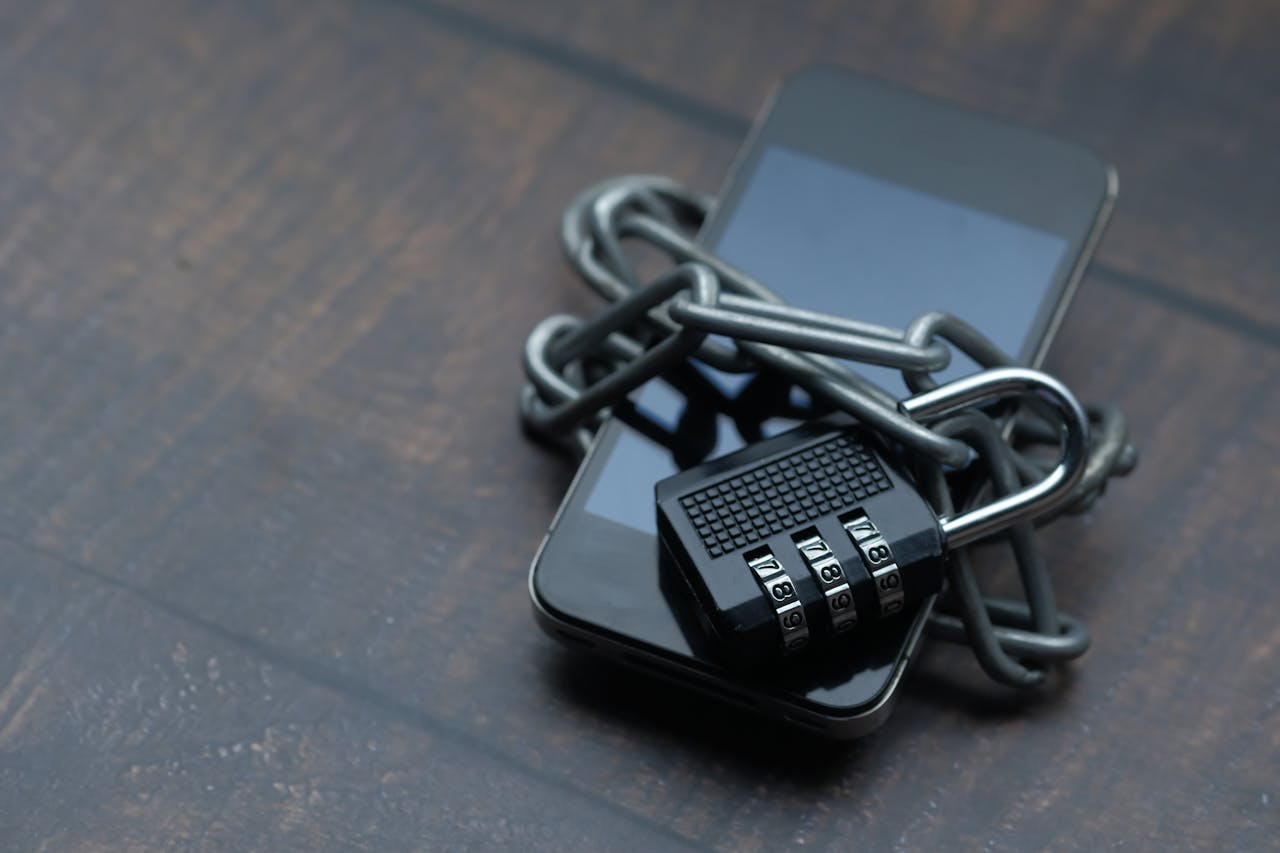
How to Delete Mobile Data Permanently Without…
05-20-2026
Old smartphones often contain sensitive personal and business information, including photos, banking details, emails, passwords, contacts, and confidential…
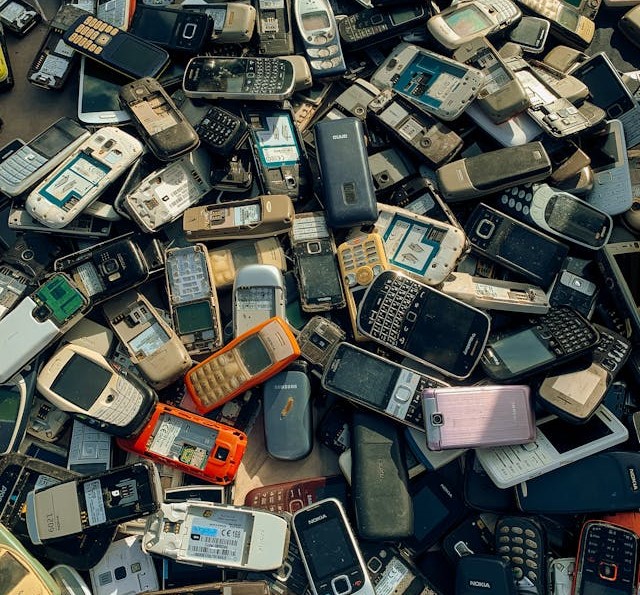
Top 10 Places to Get Cash for…
01-19-2026
Upgrading your smartphone is exciting—but knowing what to do with your old phone can be confusing. Many Australians…