Recycling
Stay informed on e-waste recycling methods, laws, and sustainability practices.
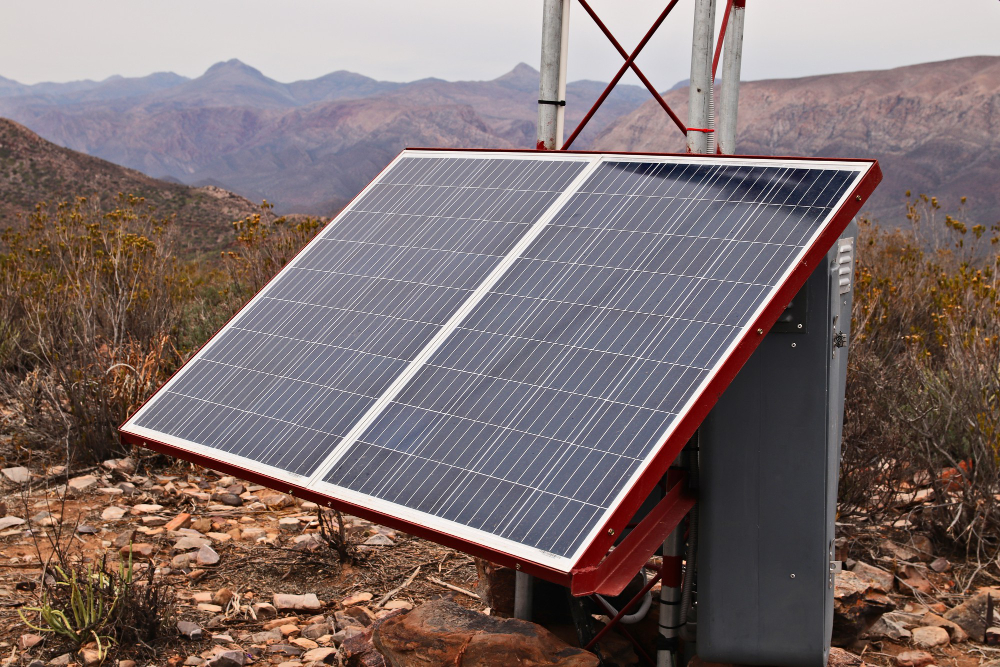
Australia’s sun-soaked lands have fueled a renewable energy revolution. Rooftops and vast solar farms under the blue skies, powering homes and businesses with clean electricity. But as this solar boom accelerates, you have to ask yourself, what happens when these panels reach the end of their life? Solar panel recycling could be the answer for this, an ideal step to keep our clean energy future bright and sustainable. With millions of panels installed over the past decade, the nation now faces a mounting challenge in managing end-of-life systems. Proper solar panel disposal is necessary for protecting our environment, conserving resources, and making sure the circular economy thrives. Without further ado, let’s explore why recycling solar panels in Australia is non-negotiable for a greener tomorrow. The Solar Boom and the Waste Challenge Australia’s Rapid Solar Adoption Australia leads the world in rooftop solar uptake. By mid-2024, over 3 million homes sported solar systems, generating enough power to light up entire cities. This growth has helped to cut emissions, but panels last 25-30 years on average. Early installations from the 2010s are now retiring, creating a concerning increase in waste. The Rising Tide of Solar Panel Disposal In 2024 alone, around 280,000 […]
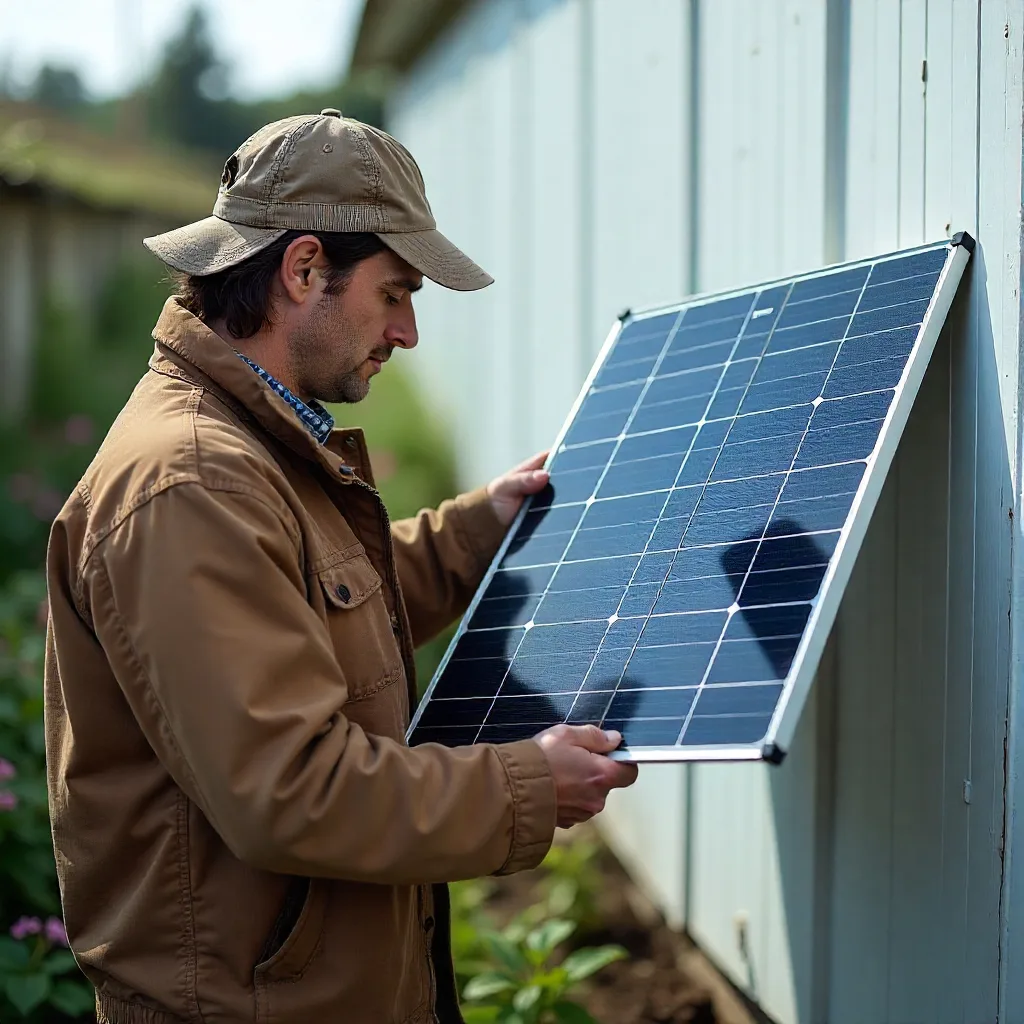
Solar recycling (also called solar panel recycling) is the process of recovering valuable materials from end-of-life photovoltaic panels instead of sending them to a landfill. It basically means carefully dismantling a panel or solar module and separating its parts, consisting of glass, metal frame, silicon cells, and wiring, so that each material can be reused. Recycling solar panels keeps hazardous components out of the environment and turns otherwise waste into resources. As more homes and businesses go solar, understanding solar recycling is key to a clean energy future. Why Solar Recycling Matters Solar panels typically last 25–30 years. Australia led a rooftop solar boom over the past decades, so many early systems are now retiring. By 2030, Australia alone could generate on the order of 91,000 tonnes of old panels each year. Globally, studies warn of a massive solar waste wave, with the International Renewable Energy Agency predicting around 78 million tonnes of discarded panels by 2050. When you consider that, it is clear why letting this waste accumulate in a landfill is not an option. Reasons to recycle old panels include: Preventing pollution: Panels often contain toxic materials. If broken panels go to a landfill or are incinerated, chemicals […]
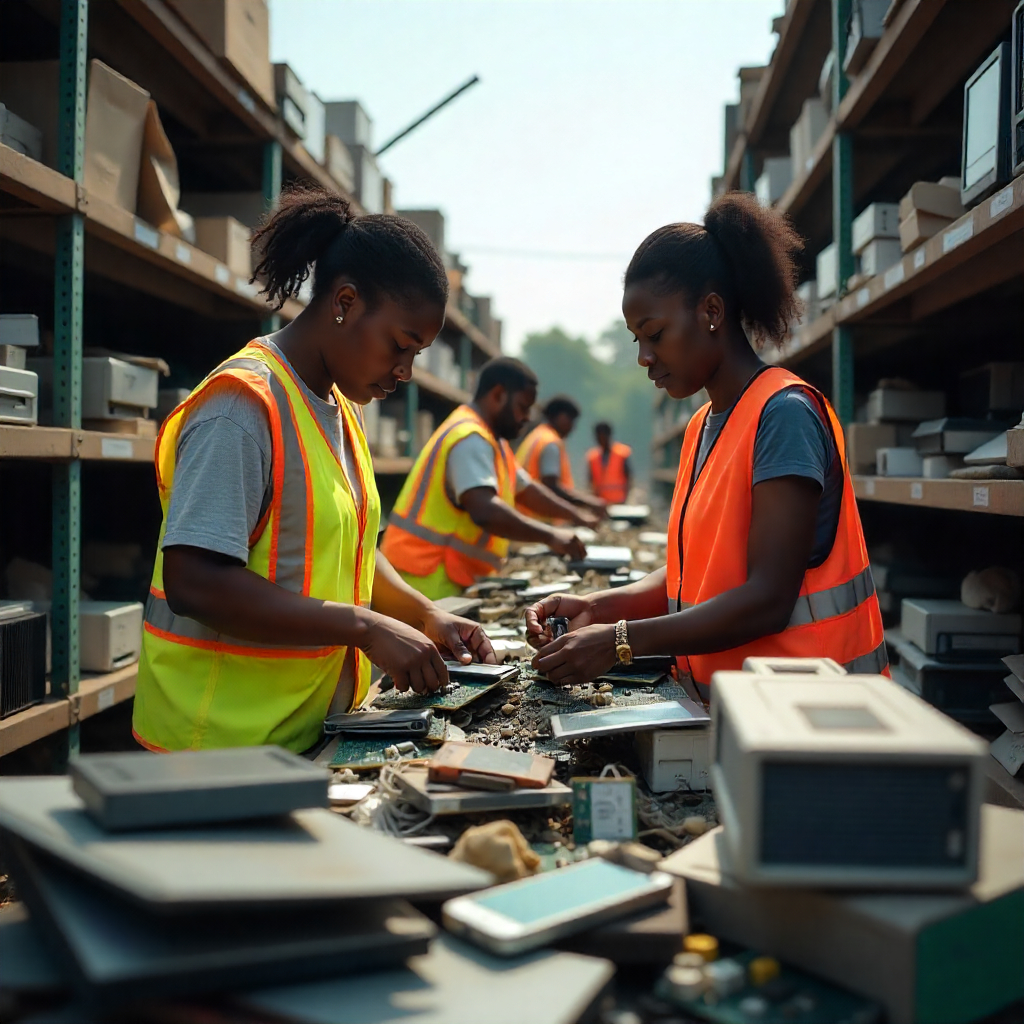
Every once in a while, most of us have gone through our old smartphones, tangled chargers, and that laptop from five years ago and wondered, “What now?” The world has changed over the recent years, and upgrading electronics feels like a rite of passage now, but the aftermath can be overwhelming. Throwing them in the trash? That’s a no-go. Not only does it harm the environment, but it also wastes valuable resources. As we venture through 2025, with global e-waste generation projected to exceed 65 million metric tons, proper e waste recycling is more essential than we actually realise. In Australia, where each person generates about 20kg of e-waste annually, finding the best ways to handle old electronics can make a real difference. The key to tackling this crisis is prioritising reuse over recycling, but when that’s not possible, turning to certified e-waste recycling companies makes sure materials like metals and plastics get a second life. Let’s explore how you can dispose responsibly, reduce your footprint, and maybe even pocket some cash along the way. Understanding E-Waste and Its Growing Challenge E-waste, short for electronic waste, includes everything from discarded phones and computers to printers and TVs. These items contain […]

E-waste has been a constant challenge globally for a while now. According to the UN’s Global E-waste Monitor 2024, a record 62 million tonnes of e-waste was generated in 2022, which is 82% more than in 2010, and is projected to reach 82 Mt by 2030. The situation is similar in Australia, where 511,000 tonnes of e-waste were generated in 2019, and only one-third of the material value is recovered. Businesses can turn this challenge into an opportunity that also protects the environment, reducing costs and boosting brand reputation. The following list of sustainable practices can help small, medium, and large businesses manage e-waste responsibly. Conduct an E-Waste Audit and Define a Policy Companies should first audit all electronic assets, consisting of inventory devices, assess what’s outdated, and estimate waste volumes. This can help better understand where most of the e-waste is generated. Based on the audit, establish a formal e-waste management policy that focuses on proper disposal and recycling of equipment. They could designate drop-off locations and approved recyclers for starters. A clear policy guides employees and avoids improper disposal, and also guarantees compliance with regulations by requiring the latest recycling and recovery practices. But it is also needed […]
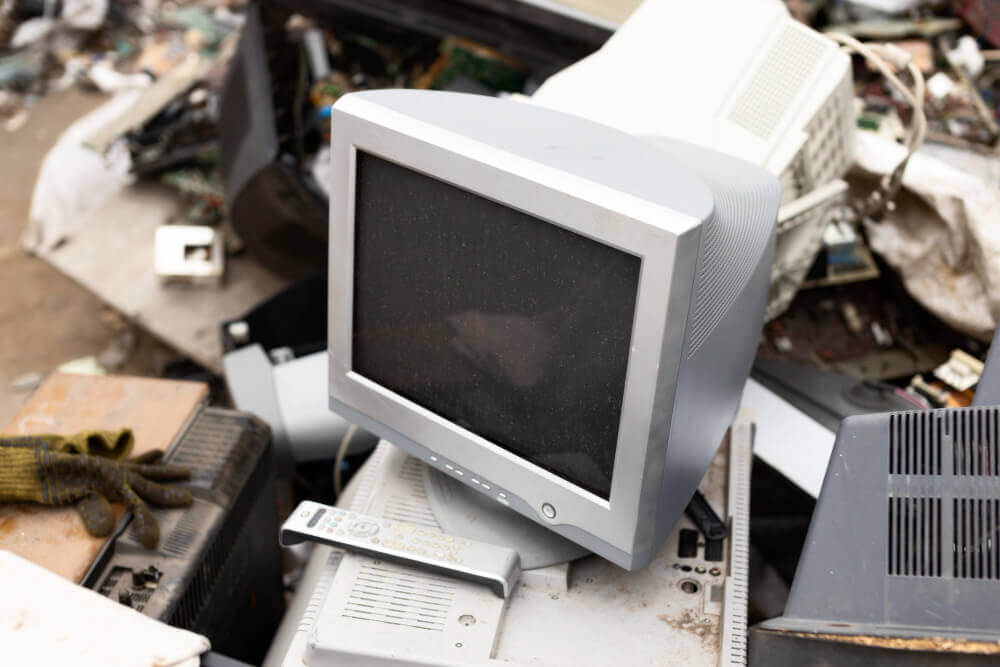
Every year, tens of millions of computers and gadgets pile up in our waste streams, and only a fraction of it often properly collected and recycled, while the rest end up in landfills and damage our environment. In Australia, especially, laws now ban electronics from landfill and offer free drop-off programs, such as Australia’s government-funded TV and Computer Recycling Scheme lets households recycle old PCs, printers, TVs, and cables at no cost. All of this means your old computer can enter the computer recycling process instead of ending up as trash. Sending your old computer off to be recycled protects your sensitive data, along with reducing your environmental footprint. If you simply threw a PC in the garbage, toxic materials like lead from circuit boards or cadmium from batteries could leach into soil and water. Thankfully, certified recyclers follow a strict electronic recycling process that recovers useful materials and prevents pollutants from spreading. Nearly all e‑waste contains trace metals like gold, copper, aluminium, titanium, etc., and recycling services work to recover these precious metals into new product parts. Regardless of how it is done, recycling your computer keeps toxins out of the environment and sends valuable resources back into the […]
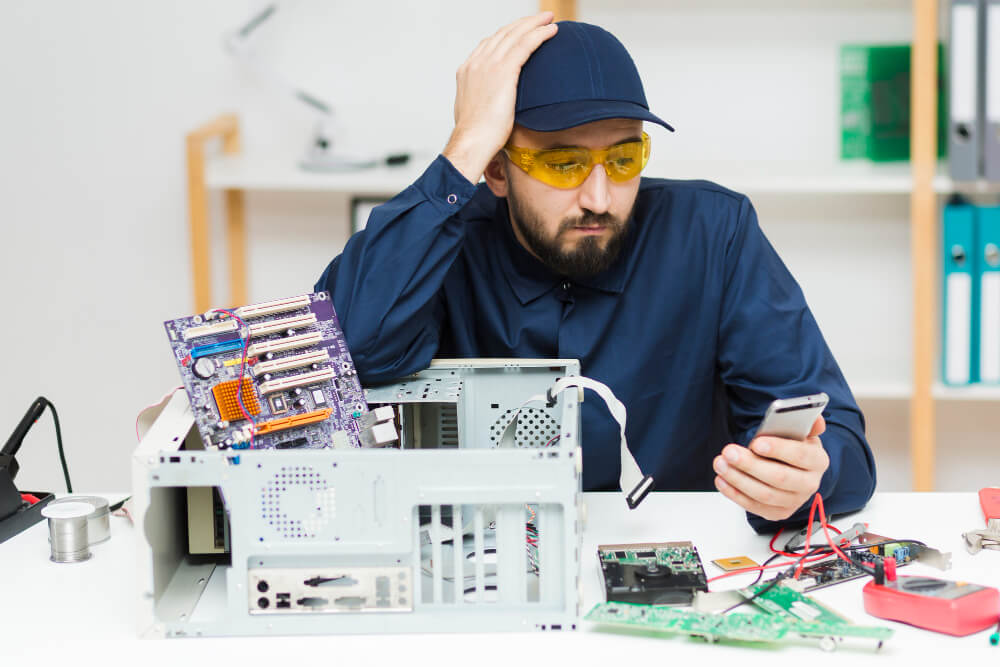
Many people replace old phones, laptops, or tablets without realizing the sensitive information is still on them. Cybersecurity experts have even found that major companies and agencies discarded completely unwiped devices. With researchers stating there were instances of discovering state government network encryption keys and full medical records on second-hand hardware. They also found spreadsheets with customer names, addresses, phone numbers, and credit card details. These are just a few examples of the real risks of not destroying data on old equipment. Such incidents show that old devices can spark a data breach even after they are thrown away or recycled. If leftover data from a discarded drive or phone is accessed by a third party, the original owner has effectively lost that information. Under Australia’s Privacy Act, loss or unauthorized access of personal data is treated as a notifiable data breach. This means a simple failure to wipe an old hard drive can trigger an official breach report, with legal consequences. In Australia alone, businesses generate hundreds of thousands of tonnes of electronic waste each year, and only a fraction is collected securely. Any unwiped device in that waste stream can be a goldmine for data thieves or hackers. […]

Computer recycling means disposing of old PCs, laptops, and electronics in an eco-friendly way so valuable materials can be reused and toxins are kept out of landfills. Worldwide, e-waste is growing fast, with a record 62 million tonnes of electronic waste generated in 2022. Computer recycling often involves securely erasing all personal data, then passing the device to a certified recycler who can dismantle and reclaim its components. As much as it is important to recycle old computers and how it benefits our environment, it is also essential to understand why you should wipe your computer clean and how to wipe a computer clean before recycling, as you wouldn’t want your personal and sensitive information to end up in the wrong hands. Why You Should Wipe Your Computer Before Recycling Protect Your Personal and Financial Data Your computer’s hard drive often holds sensitive information such as bank account details, passwords, tax returns, personal photos, emails, and more. Even files you think you have deleted can remain on the disk in recoverable form. Old computers often hold sensitive information, and merely hitting delete isn’t enough, because the delete button doesn’t actually delete your information permanently. By securely wiping the drive, you […]
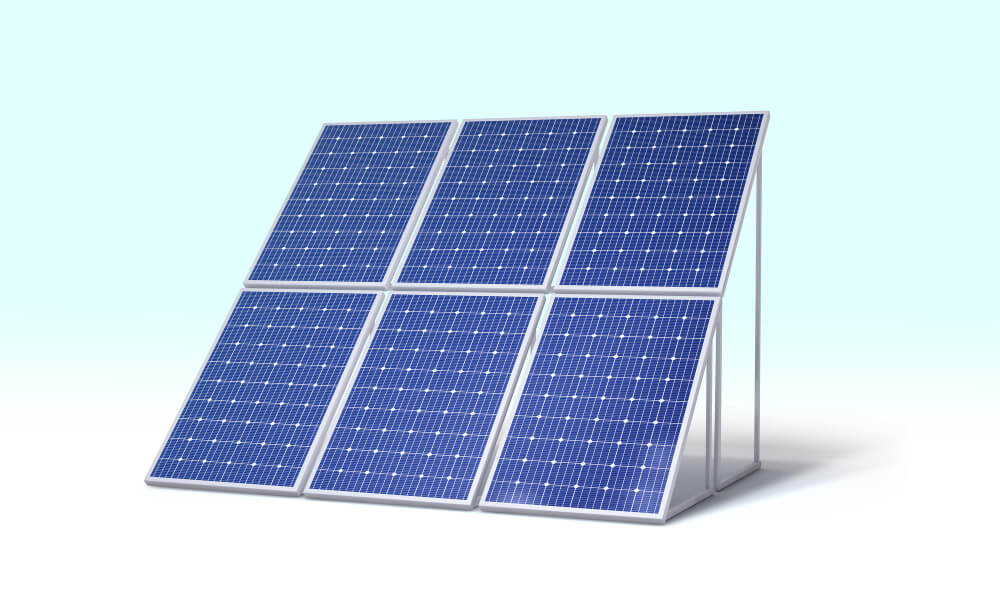
Recycling solar panels is becoming a pressing issue for Australia as its rooftop solar boom continues its trajectory. Millions of panels will retire in the coming decades, and managing this waste responsibly is equally important for the environment and the economy. Proper disposal supports a circular economy by recovering valuable materials like aluminium, glass, silicon and copper, avoiding potential environmental harm from landfills. It also aligns with Australia’s goals for sustainable waste management and renewable energy aims. Why is Solar Panel Recycling Important Environmental Impact of Solar Waste As solar panels reach end-of-life, they become electronic waste that could burden landfills. By 2035, Australia is projected to accumulate over 1 million tonnes of retired panels. Discarding panels waste the resources they contain and reduces opportunities to cut emissions. For example, recycling just one tonne of panels can avoid about 1.2 tonnes of CO₂-equivalent emissions. Recovering metals and glass also reduces the need to mine new materials. By keeping panels out of landfills and back into production, we prevent pollution and greenhouse gas output, all while conserving resources. What Materials Can Be Recovered Solar panels are mostly made of glass, aluminium, silicon, and various metals, almost all of which can be […]
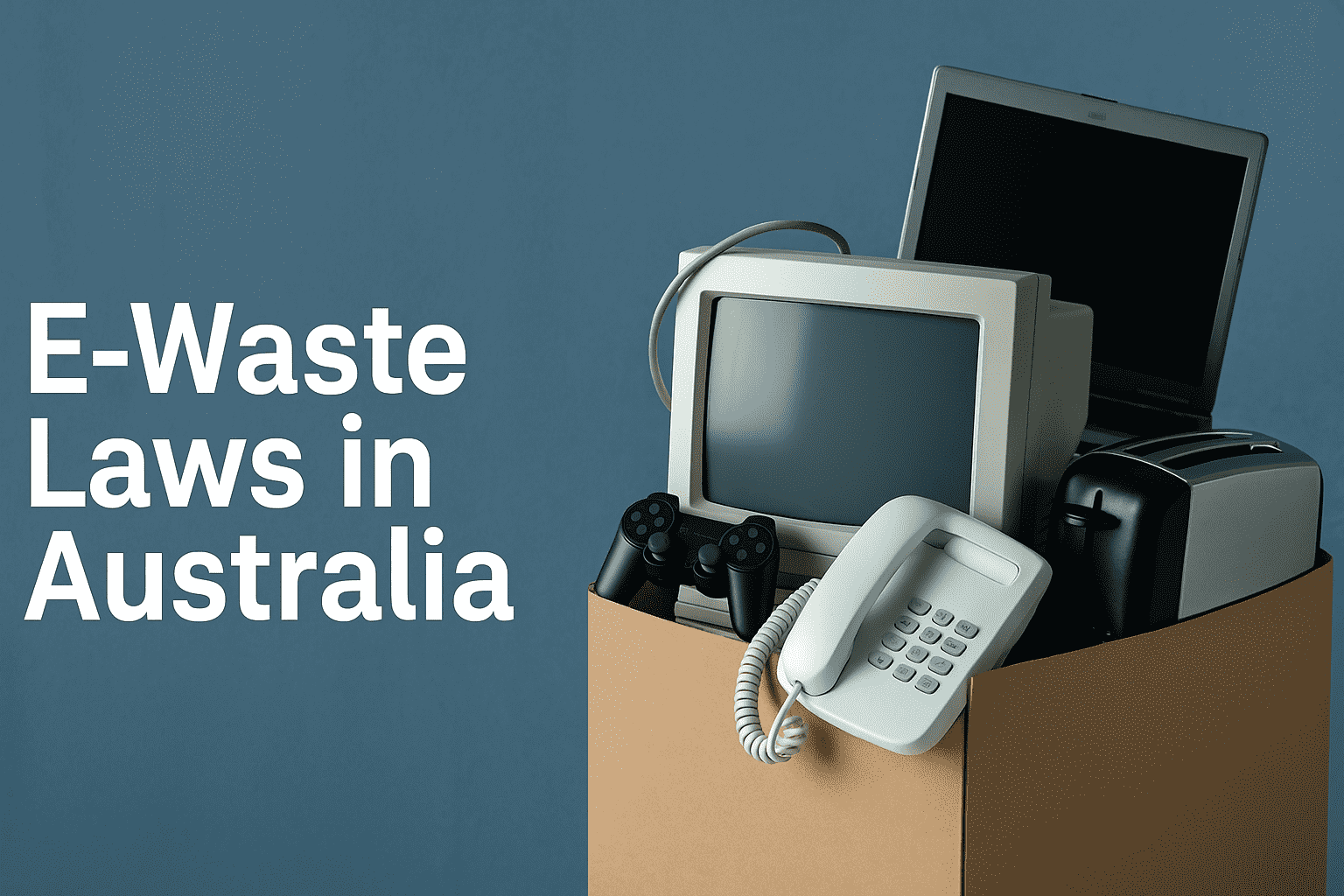
Australia’s e-waste laws are designed to keep electrical and electronic products out of landfills and to guarantee that they are recycled safely. “E-waste” is defined broadly by regulators as any discarded electrical or electronic equipment. According to federal environmental authorities, e-waste is simply “waste electrical and electronic equipment.” On the other hand, Victoria’s regulations consider it anything that involves an electric current or battery, ranging from computers, phones, and TVs to kitchen appliances, lighting, and whitegoods. Most state rules ban e-waste from landfills; instead, Australians must use approved recycling channels. Overall, federal and state laws, along with industry recycling schemes, are aimed at handling e-waste legally in Australia. What is E-Waste According to Australian Law? Legally, e-waste is any unwanted electronic item. Under Australia’s Environmental Protection laws, it covers devices that use electricity or have batteries. While the Commonwealth government notes that e-waste includes “televisions, monitors, computers, laptops, tablets, mobile phones, printers, appliances, lighting equipment” and more. Even though there can be some differences, nearly all electronic waste laws regard most gadgets and household electrical items as e-waste when they reach end-of-life. Australia also differentiates between hazardous vs non-hazardous e-waste. For regulatory purposes, e-waste can be controlled as hazardous if […]
Electronics waste, or e-waste, is a growing global crisis. In 2022, the world generated a record 62 million tonnes of e-waste, yet only about 22% was properly recycled. To put that in perspective, that’s roughly 137 billion pounds of discarded TVs, phones, PCs, and more, with less than one-quarter recycled. Many of these devices, like old laptops, desktops, and monitors, contain toxic chemicals. One UN report notes that e-waste contains toxic additives or hazardous substances such as mercury that harm human health and the environment. Therefore, merely discarding an outdated computer or monitor increases the danger of soil and water pollution by allowing metals and chemicals to leak into landfills. That’s why old computer disposal must be done responsibly: recycling or donating old machines prevents pollution, conserves resources, and even helps protect your personal data. Why Recycling Old Computers Matters Piles of outdated computers and monitors can leak dangerous substances if not handled properly. Most old PCs contain components with hazardous materials. Let’s take the case of old CRT monitors; these monitors contain enough lead that they are classified as hazardous waste if thrown out normally. If these toxins aren’t recycled, they can contaminate soil and groundwater. Moreover, electronics are […]
Other Blog
Top 10 Places to Get Cash for…
01-19-2026
Upgrading your smartphone is exciting—but knowing what to do with your old phone can be confusing. Many Australians…
Why Perth Businesses Must Prioritize Test and…
10-14-2025
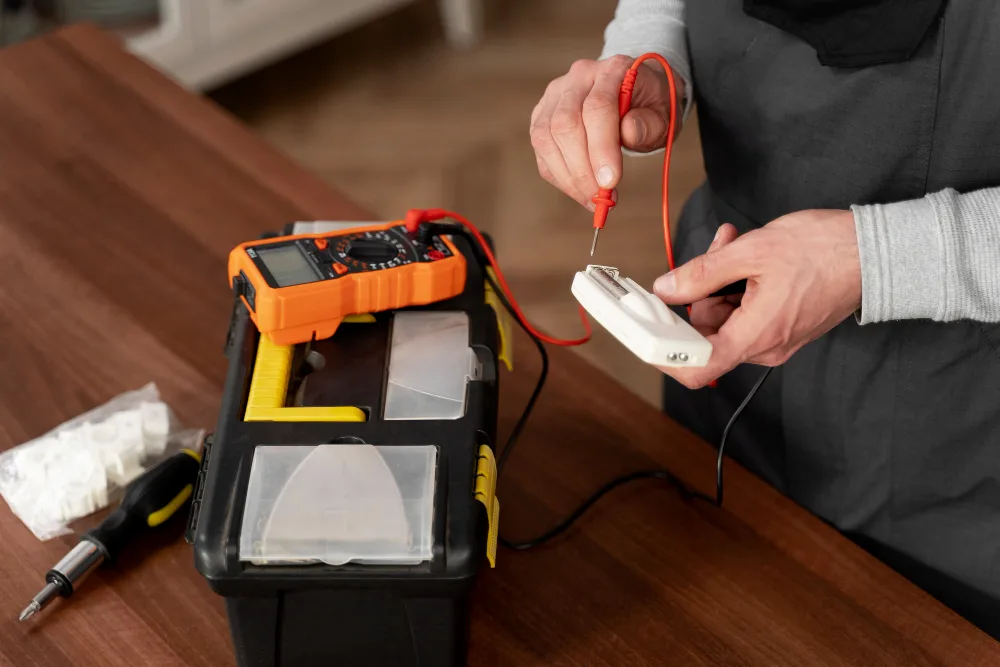
Every Perth business uses plug-in devices daily, from office computers to power tools and kitchen appliances. But even…

Why Secure Data Disposal Matters in Australia
10-07-2025
Electronic devices are omnipresent in modern business, from laptops and servers to phones and IoT equipment. Eventually, every…