Recycling
Stay informed on e-waste recycling methods, laws, and sustainability practices.
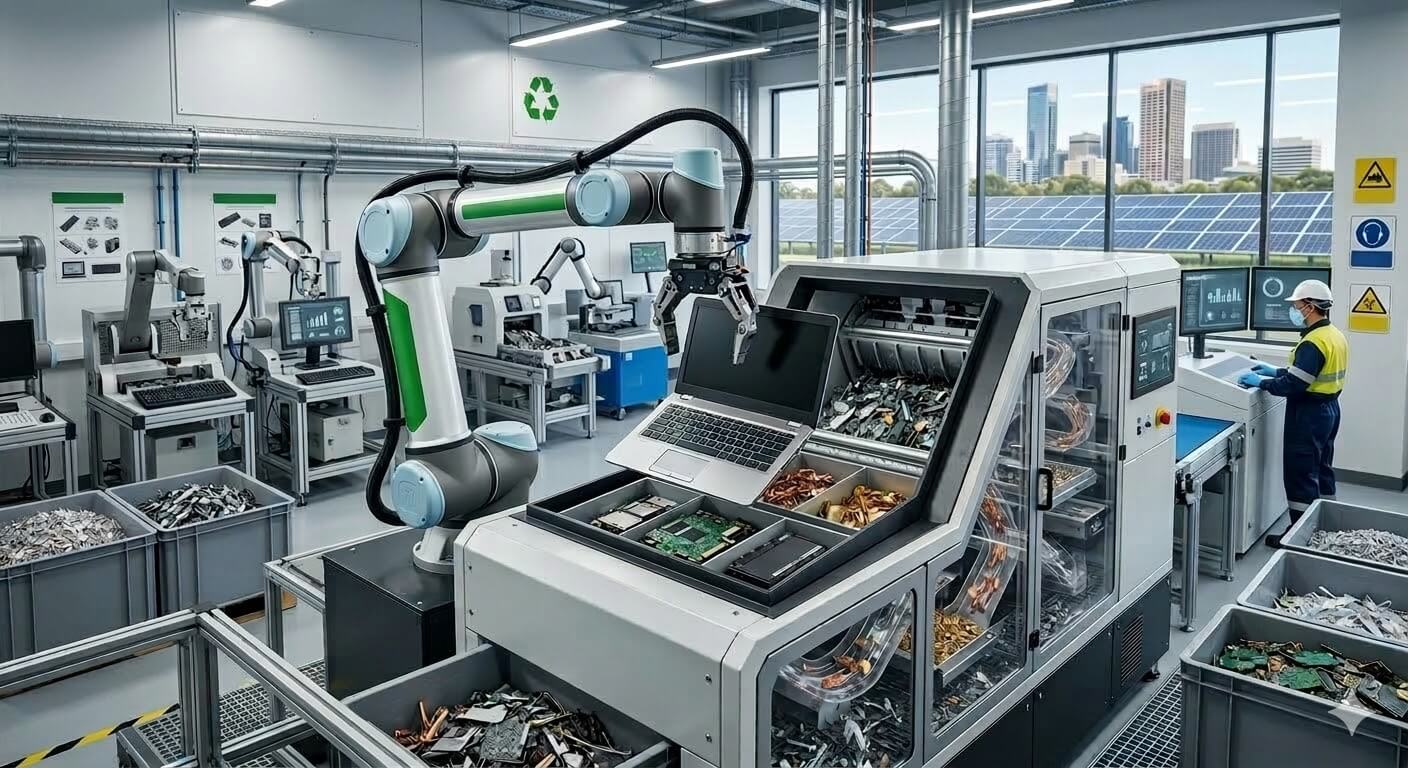
Technology is evolving rapidly, and so is the amount of electronic waste we generate every year. Businesses and households across Australia are upgrading electronics faster than ever before. While this brings innovation and efficiency, it also creates a growing challenge: managing e-waste responsibly. The future of e-waste recycling in Australia will rely on smarter recycling technologies, stricter environmental regulations, and secure handling of sensitive business data. At Cyber Recycling, we help organisations recycle old IT equipment safely while protecting confidential information through professional data destruction service solutions. This guide explores how e-waste recycling is evolving and what Australian businesses should expect in the coming years. Why E-Waste Is Growing in Australia Electronic devices are being replaced faster than ever. New technology, shorter product life cycles, and digital transformation mean organisations regularly upgrade IT equipment. E-waste includes items such as: Computers and laptops Servers and networking equipment Monitors and printers Mobile phones and tablets Cables, batteries, and peripherals Globally, electronic waste continues to increase rapidly while recycling rates remain relatively low, making proper e-waste recycling essential for environmental protection and resource recovery. When e-waste is recycled properly, valuable materials such as copper, aluminium, and precious metals can be recovered and reused […]
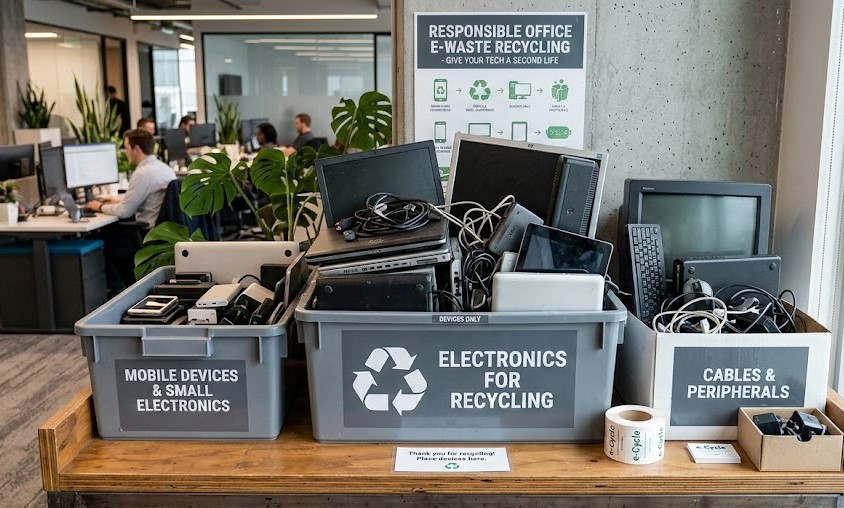
When it’s time to upgrade your office technology, proper preparation is essential before sending devices for e-waste recycling Australia services. From protecting sensitive information to ensuring safe handling, following the right steps helps your business stay secure, compliant, and environmentally responsible. Here’s a simple step-by-step guide from the team at Cyber Recycling. 1. Back Up Important Data Before recycling any device, make sure all important files are backed up. This includes: Business documents Client records Financial data Emails and cloud-synced files Store backups securely on encrypted drives or approved cloud platforms. 2. Log Out of Accounts & Remove Access Sign out of all business accounts and remove device authorisations. This step is especially important for: Laptops and desktops Mobile phones and tablets Servers and network storage Also, deactivate device tracking software where applicable. 3. Arrange Professional Data Destruction Services Deleting files manually is not enough. Sensitive data can still be recovered if not erased properly. Professional data destruction services ensure: Secure data wiping using certified software Physical hard drive shredding (if required) Compliance with Australian privacy regulations Certificate of data destruction for audit records For businesses, certified data destruction is critical to prevent data breaches and protect client information. 4. […]
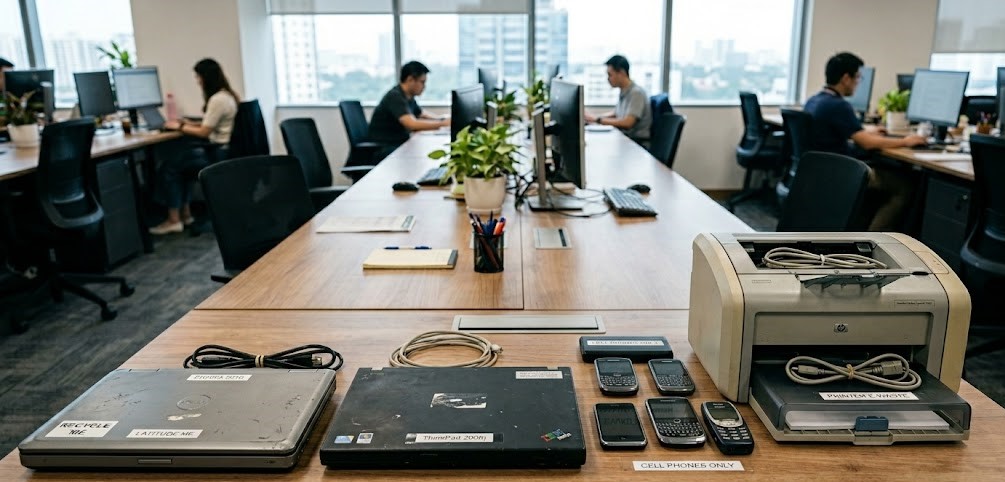
For businesses, improper e-waste disposal isn’t just environmentally harmful; it can also violate compliance obligations under Australian e-waste regulations if handled incorrectly. Step 1: Audit Your Office Electronics (Business E-Waste Disposal Audit) Before recycling, conduct a full IT asset inventory. Document all office electronics, including: Old computers and laptops Monitors and displays Servers and network equipment Printers, scanners and copiers Mobile devices and accessories Batteries and power supplies Knowing what you have helps you plan for secure recycling and ensures nothing is accidentally discarded with regular office waste. Step 2: Secure Data Wiping and Destruction (Data-Secure E-Waste Recycling) One of the biggest concerns for offices is data security. Before recycling any devices, all sensitive information should be permanently erased using certified data destruction processes. Cyber Recycling offers secure data destruction using industry-standard tools so your business records and client information remain protected. Ensure you receive a certificate of data destruction — a valuable document for audits and compliance records. Step 3: Choose Professional E-Waste Collection Services Once your audit and data wiping are complete, the next step is choosing the right collection method: ✅ Scheduled Pickup For larger volumes of office e-waste, arrange a scheduled pickup with a certified recycler. ✅ […]
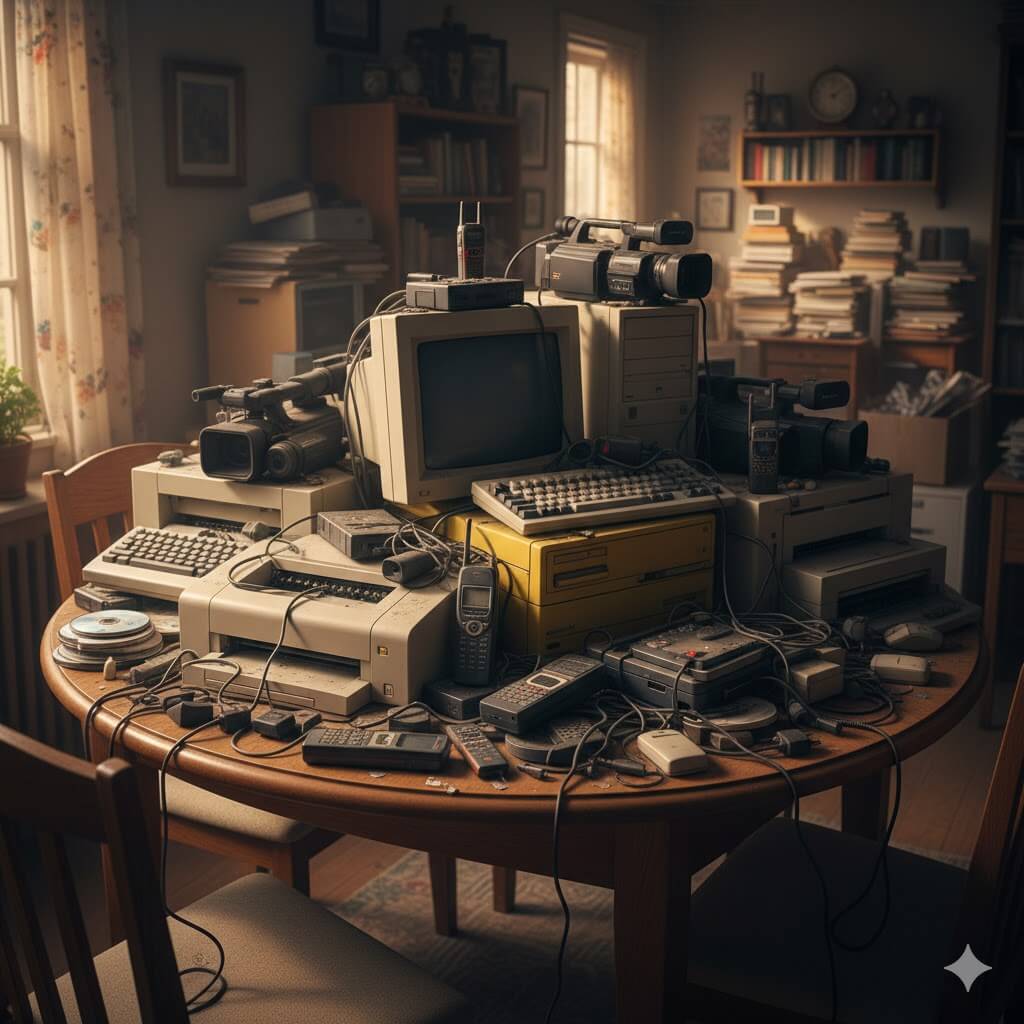
Electronic devices are part of daily life in Australia. But when they stop working or get replaced, many of them end up sitting in drawers or cupboards. Over time, this creates a lot of household e-waste. Knowing the common e-waste items in your home can help you recycle them the right way. Proper electronic waste recycling in Australia keeps harmful materials out of landfills and allows valuable parts to be reused. What Is E-Waste? E-waste in Australia means any electronic or electrical item that is no longer wanted or working. This includes small gadgets and large appliances. Many of these items contain metals, plastics, and chemicals. If they go to a landfill, they can harm the environment. That is why e-waste recycling in Australia is important. Top 10 Common E-Waste Items in Homes 1. Mobile Phones Old phones are the most common type of household e-waste. Many people keep them in drawers even after buying a new one. 2. Laptops and Computers Old computers and laptops are often replaced every few years, making them a major part of e-waste in Australia. 3. Televisions When people upgrade to bigger or smarter TVs, the old ones become e-waste. 4. Printers Printers and […]
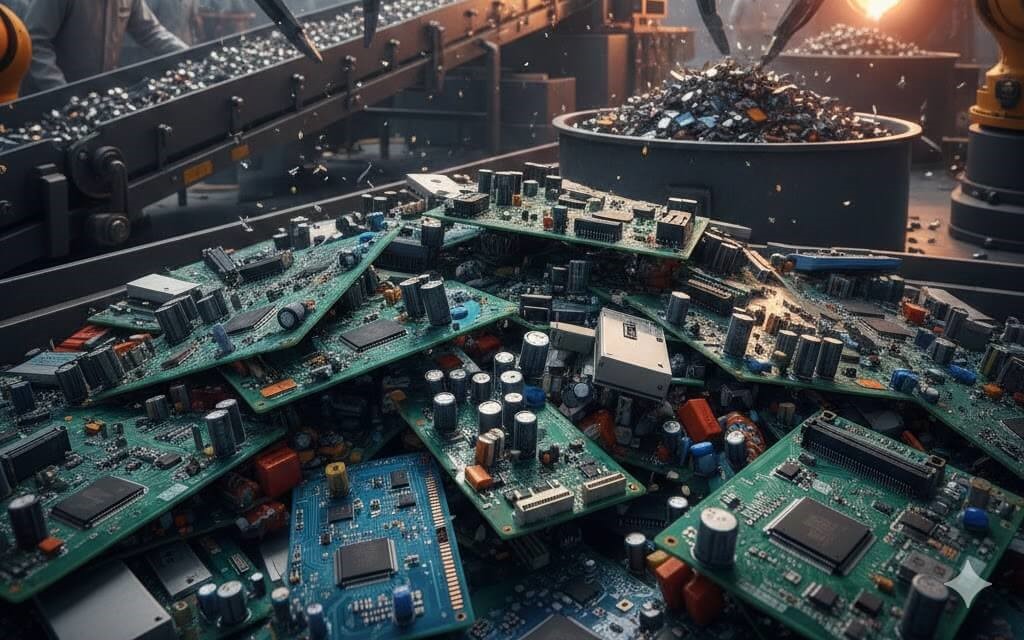
Printed circuit boards (PCBs) are found in almost every electronic device, from computers and printers to household appliances and industrial equipment. When these devices reach the end of their life, the PCBs inside them become part of electronic waste. Proper PCB Recycling is essential to recover valuable materials and prevent environmental harm. As an authorised e-waste recycler, Cyber Recycling provides safe PCB Recycling in Australia for businesses, homes and industrial clients. What Are Printed Circuit Boards? Printed circuit boards are the core components that allow electronic devices to function. They consist of: Fibreglass or plastic boards Copper pathways Soldered electronic components Precious metals like gold and silver Because of these materials, Printed Circuit Board recycling in Australia is important for both environmental protection and resource recovery. Why PCB Recycling Is Important Discarded PCBs can contain hazardous substances such as: Lead Mercury Brominated flame retardants If they end up in a landfill, these substances can contaminate soil and groundwater. Responsible PCB Recycling helps: Prevent environmental pollution Recover valuable metals Reduce the need for mining new resources Support sustainable waste management practices PCB Recycling Process The PCB Recycling process involves several important steps to ensure safe and efficient material recovery: 1. Collection […]
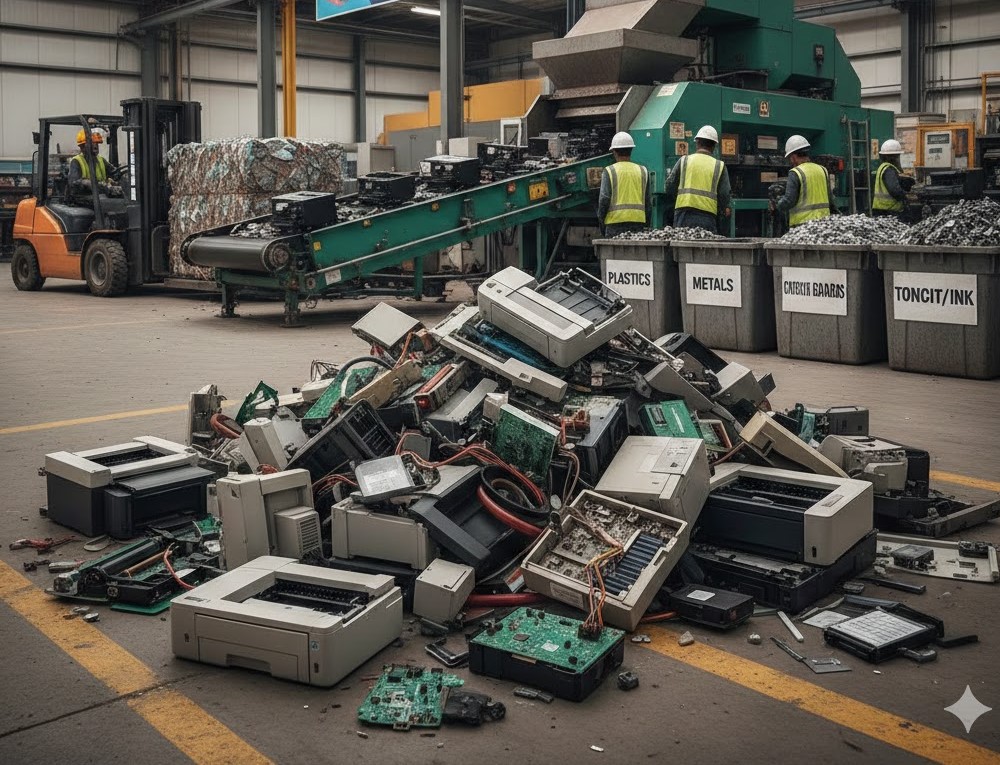
Printers are essential in homes and offices, but when they stop working or become outdated, many people are unsure how to dispose of them properly. Throwing printers in the general waste is not only harmful to the environment but also against responsible waste management practices. Understanding printer recycling helps reduce landfill waste and ensures valuable materials are recovered safely. As an authorised e-waste recycler, Cyber Recycling provides safe and compliant printer e-waste recycling services across Australia. Why Printers Should Not Go to Landfill Printers contain a mix of materials, including: Plastic casings Circuit boards Metal components Ink and toner cartridges Electrical wiring If these materials are dumped in a landfill, they can: Release harmful chemicals into soil and water Contribute to environmental pollution Waste reusable resources like copper and plastics Choosing printer recycling ensures these components are processed safely and responsibly. How to Recycle Printers Properly If you have an old or broken printer, here are the best options to recycle printers the right way: 1. Use an Authorised E-waste Recycler The safest method is to contact a certified recycling company. Professional recyclers: Collect old printers from homes and offices Dismantle them safely Recover valuable materials Dispose of hazardous components […]
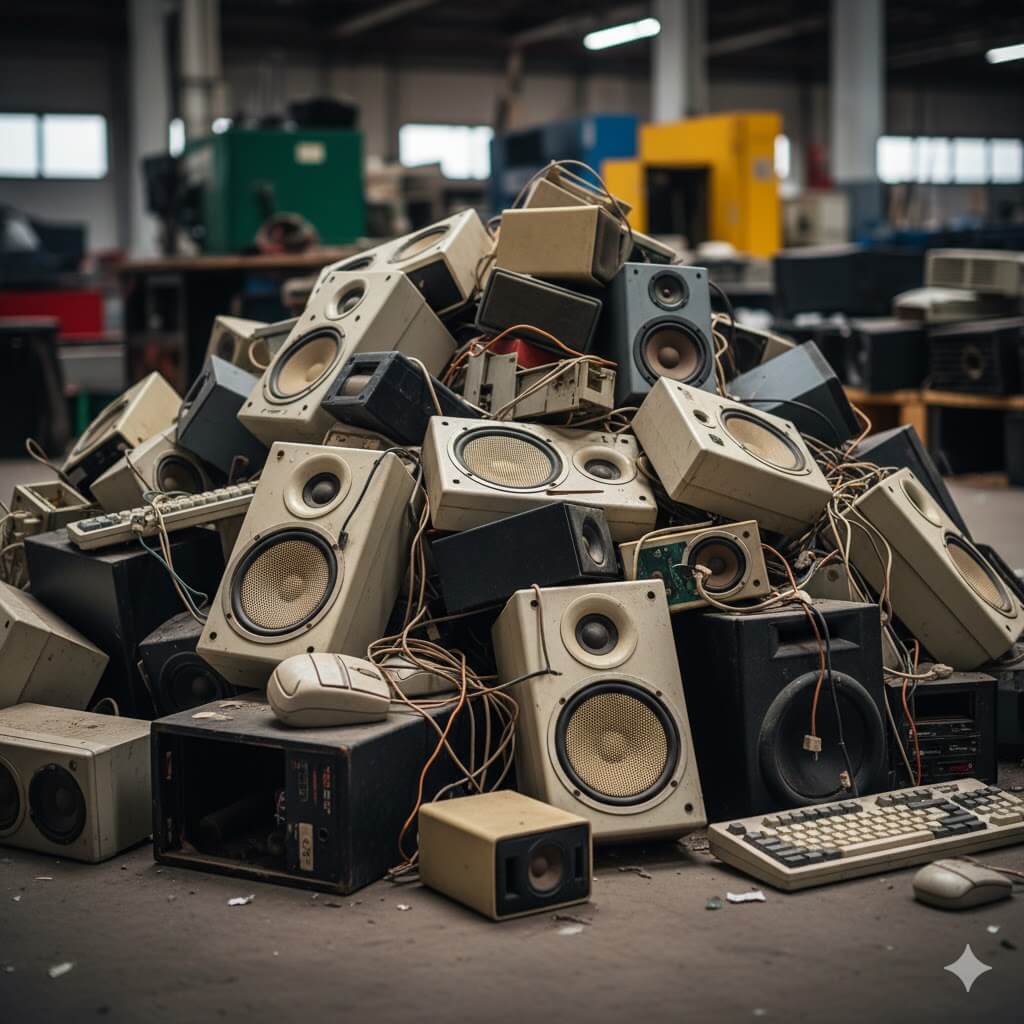
Old speakers often end up in garages, storage rooms, or worse, landfills. But like many electronic items, speakers contain materials that should be handled responsibly. Knowing how to dispose of old speakers the right way helps protect the environment and ensures valuable components are recycled properly. As an authorised e-waste recycling provider in Australia, Cyber Recycling helps individuals and businesses dispose of electronic waste safely and in compliance with local regulations. Why Old Speakers Shouldn’t Go in the Bin Speakers are considered electronic waste because they contain components such as: Copper wiring Magnets Circuit boards Plastic and metal casings When these materials end up in a landfill, they can: Release harmful substances into soil and water Contribute to environmental pollution Waste valuable recyclable resources Responsible e-waste recycling in Australia helps recover these materials and reduces the environmental impact. How to Dispose of Old Speakers Properly If you have old or broken speakers, here are the best options: 1. Use an Authorised E-waste Recycler The safest and most reliable method is to take your speakers to a certified e-waste recycling company. Professional recyclers: Dismantle speakers safely Recover reusable metals and plastics Ensure hazardous parts are handled correctly Cyber Recycling provides convenient […]
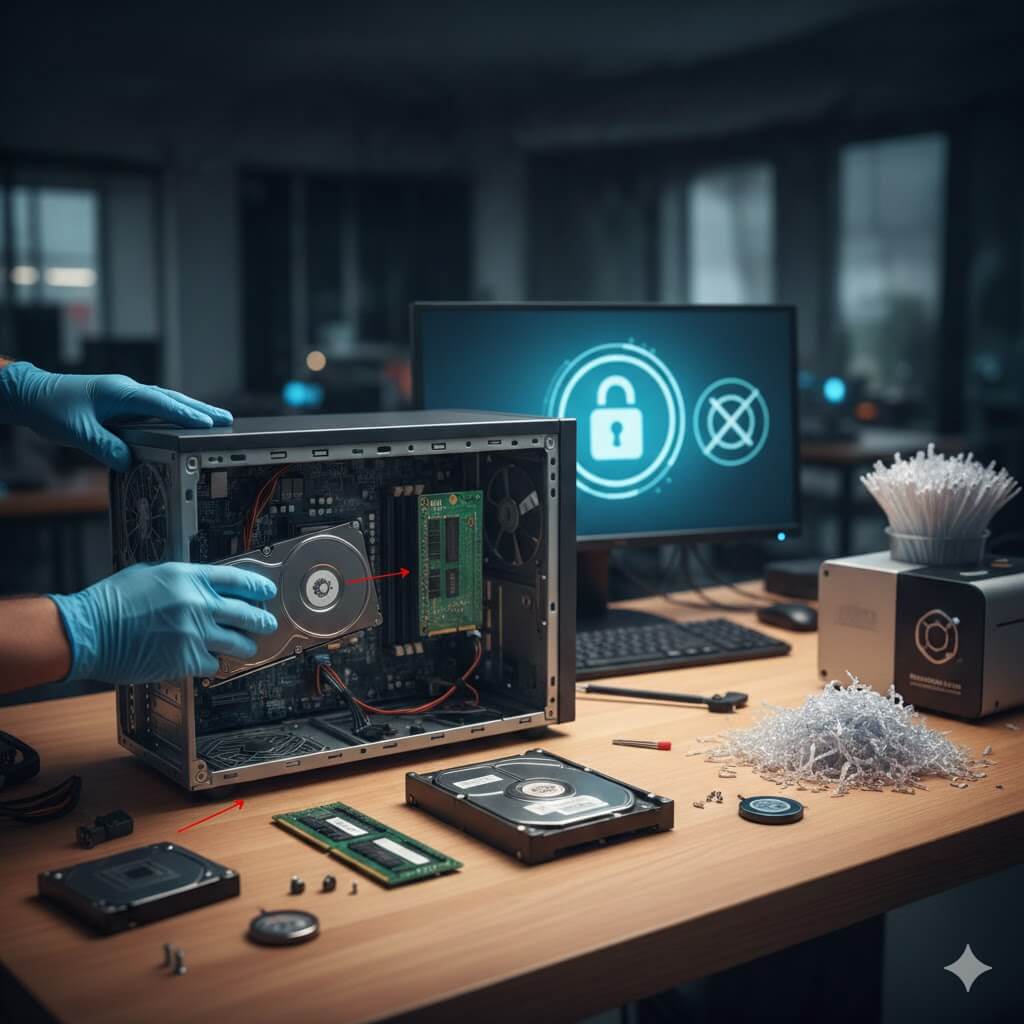
As technology evolves, old computers and laptops quickly become obsolete. However, improper computer disposal can put your personal data at risk and harm the environment. At Cyber Recycling, we specialise in computer disposal and recycling that is safe, secure, and environmentally responsible. Before handing over your device for computer waste recycling, it’s important to remove certain items to protect your data and ensure compliance with e-waste recycling best practices. 1. Personal and Sensitive Data Before disposing of old laptop computers, always remove or securely erase personal data, including: Documents, photos, and videos Login credentials and saved passwords Emails and browser history Financial and business records Simply deleting files is not enough. Data can still be recovered unless it is properly wiped. At Cyber Recycling, we offer secure data destruction services to ensure your information is permanently erased before recycling. 2. Hard Drives and Storage Devices Hard drives and SSDs store all your data and should be handled carefully during computer disposal and recycling. You should: Remove internal hard drives if you plan to keep them Physically destroy drives if data sensitivity is high Use certified data wiping services before recycling Our computer waste recycling process includes professional hard drive destruction […]

Disposing of an old TV in Australia isn’t as simple as putting it in the bin. Televisions are classified as e-waste and contain hazardous materials like lead, mercury, and flame retardants that can harm the environment if disposed of incorrectly. This guide explains how to dispose of an old TV in Australia safely and legally, while also highlighting the best recycling options available. Why You Shouldn’t Throw Old TVs in the Bin Old TVs — especially CRT, LCD, LED, and plasma models — contain components that: Release toxic substances into soil and water Pose health risks to waste handlers Take hundreds of years to break down in a landfill In many Australian states, dumping e-waste in general waste bins is restricted or discouraged, with councils actively promoting recycling instead. Best Ways to Dispose of an Old TV in Australia 1. Take It to an E-Waste Recycling Facility The most responsible option is to drop your TV at a licensed e-waste recycling centre. These facilities safely dismantle TVs and recover valuable materials like metals, glass, and plastics. ✔ Suitable for all TV types ✔ Environmentally safe ✔ Complies with Australian recycling standards 2. Use the National Television and Computer Recycling Scheme (NTCRS) Australia’s NTCRS […]

Recycling plays a vital role in reducing landfill waste, conserving resources, and protecting our environment. However, many people are unaware that not all waste is recyclable. Putting non-recyclable items in your recycling bin can contaminate entire batches, making them unusable and increasing processing costs. In this guide, we’ll explain which waste is not recyclable and why, helping you recycle more effectively and protect your local recycling system. What Is Non-Recyclable Waste? Non-recyclable waste refers to materials that cannot be processed by standard recycling facilities due to safety concerns, contamination, or limitations in current recycling technology. These items may: Contaminate recyclable materials Damage to recycling equipment Release toxins or hazardous substances Have no viable recycling market Understanding what can’t be recycled is just as important as knowing what can. Top 10 Non-Recyclable Items You Should Know About 1. Plastic Bags and Soft Plastics Plastic bags, cling wrap, and soft plastics clog sorting machines and can’t be processed in most curbside programs. Tip: Reuse or return them to designated supermarket soft-plastic bins. 2. Polystyrene / Styrofoam Foam cups, takeaway trays, and packing peanuts are lightweight and hard to recycle due to cost and contamination risks. 3. Broken Glass Unlike clean glass bottles, […]
Other Blog
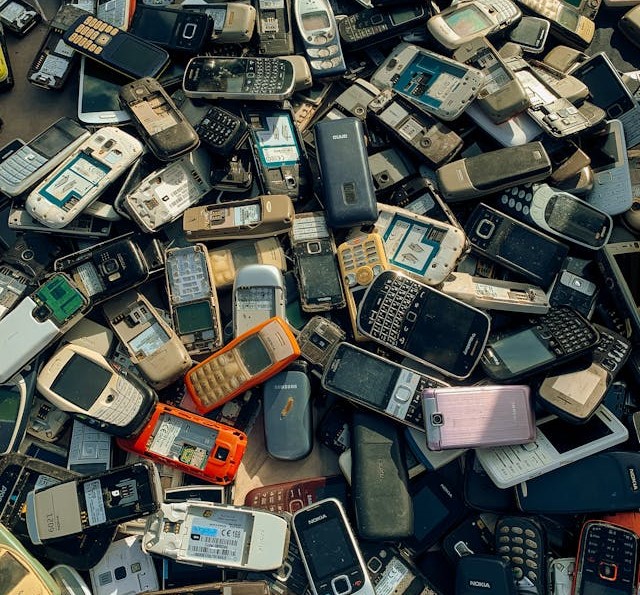
Top 10 Places to Get Cash for…
01-19-2026
Upgrading your smartphone is exciting—but knowing what to do with your old phone can be confusing. Many Australians…
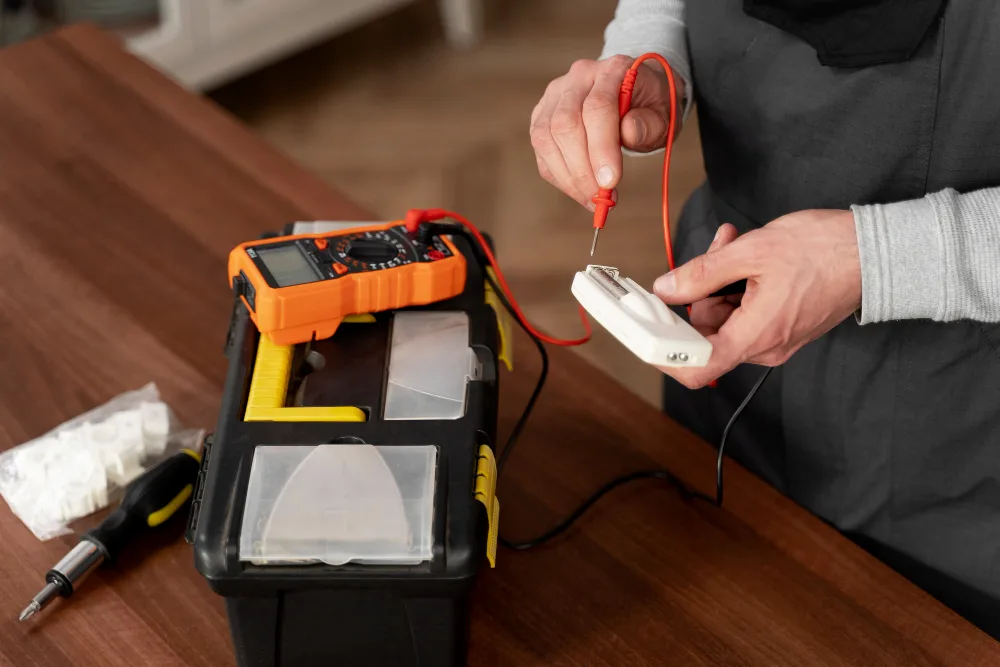
Why Perth Businesses Must Prioritize Test and…
10-14-2025
Every Perth business uses plug-in devices daily, from office computers to power tools and kitchen appliances. But even…
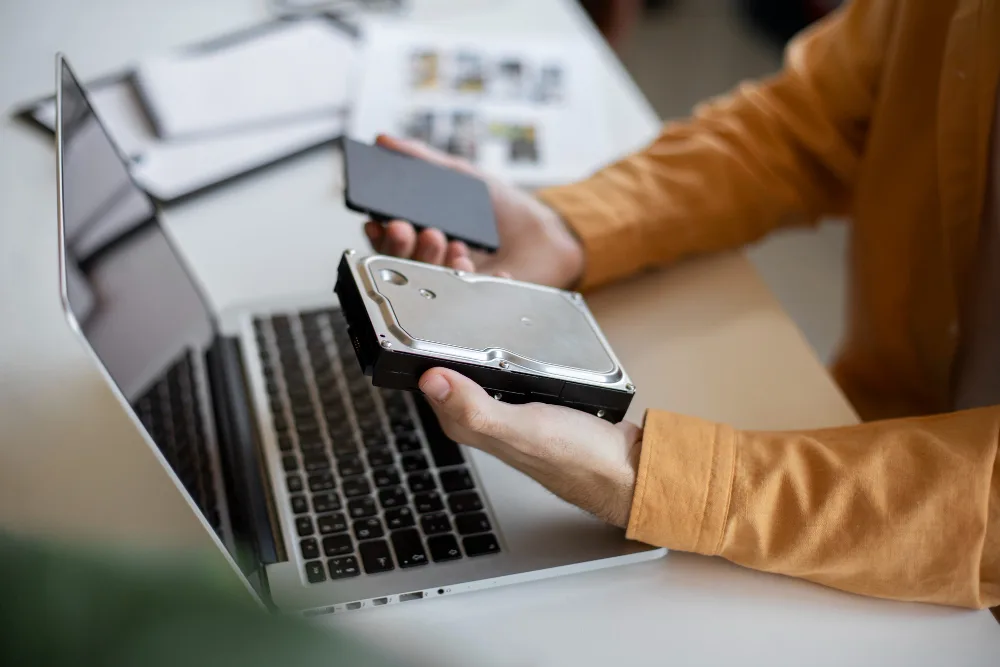
Why Secure Data Disposal Matters in Australia
10-07-2025
Electronic devices are omnipresent in modern business, from laptops and servers to phones and IoT equipment. Eventually, every…