Data Deletion & Destruction
Everything you need to know about safe, compliant data deletion and destruction.
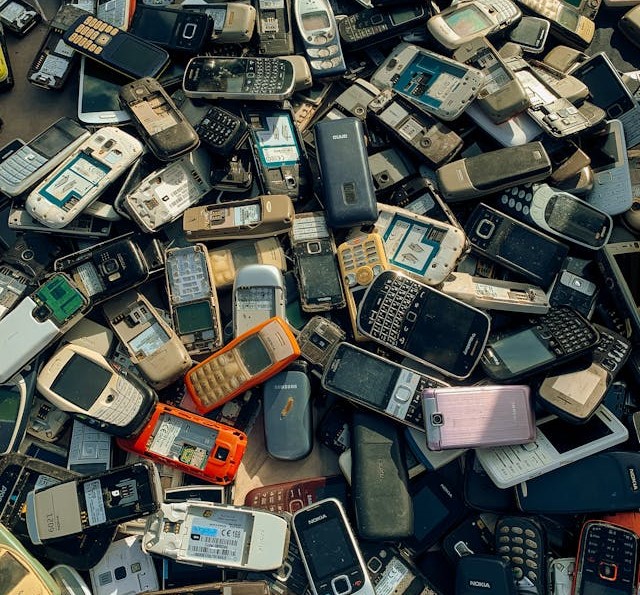
Upgrading your smartphone is exciting—but knowing what to do with your old phone can be confusing. Many Australians look to sell used gadgets for cash or trade devices for store credit. However, not all phones are suitable for resale, especially older, damaged, or data-sensitive devices. This guide explores the best electronics trade-in options in Australia for phones that still hold resale value—and explains what to do when your device cannot be sold and needs secure recycling instead. Can You Trade In Old Phones for Cash in Australia? Yes—but only if the phone: Is in working condition Has resale demand Is not too old or damaged If a phone doesn’t meet these criteria, resale platforms often reject it. That’s where data destruction services become essential. Top 10 Places to Get Cash for Old Phones in Australia 1. Mobile Manufacturer Trade-In Programs Best for: Newer phones in good condition Brands like Apple and Samsung allow users to trade in phones for store credit toward new devices. These programs are convenient but usually don’t offer cash and accept limited models. 2. Online Phone Buyback Platforms Best for: Quick resale quotes Several platforms specialise in electronics buyback in Australia, offering cash for popular phone models. […]
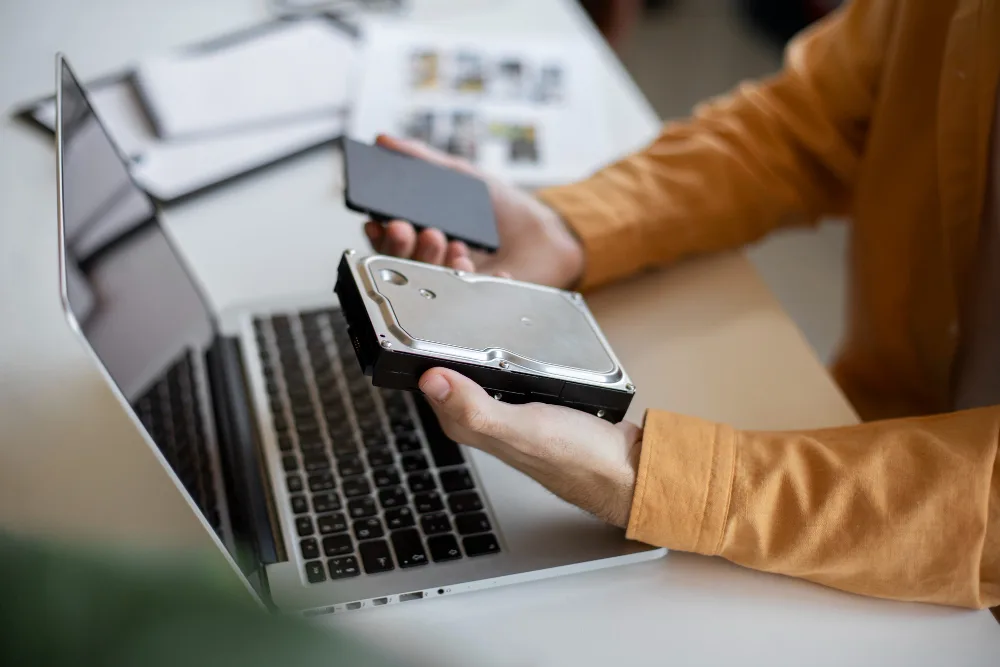
Electronic devices are omnipresent in modern business, from laptops and servers to phones and IoT equipment. Eventually, every device reaches end-of-life, creating e-waste that must be handled responsibly. Australia generates enormous amounts of electronic waste, and it is only going to keep growing. This e-waste often contains residual personal and corporate data, and improperly discarding it can expose sensitive information. Given stricter e-waste laws and tough privacy rules, secure disposal of data-bearing equipment is vital. Failing to remove data can lead to identity theft, compliance fines, and reputational damage. In short, secure data destruction is as important as recycling the hardware itself. In that regard, businesses must treat IT asset disposal as a critical step in IT asset lifecycle management. Disposal is the final stage of the asset lifecycle, requiring the same planning and controls as procurement or maintenance. Data must be wiped or destroyed before devices leave the organisation, and disposal should be managed by certified professionals. Here, we will look at why secure disposal is necessary, outline legal and industry requirements, and describe best practices, including how to work with a certified e waste recycler for the purpose. Risks of Inadequate Data Disposal Devices like computers, tablets, and […]

We have been so used to relying on computers that for most of us, data deletion feels permanent. You drag a file to the trash, empty the bin, and assume it’s gone, or at least that is what we assume. The reality is a bit different; when you clear your recycle bin, you are only removing the file’s pointer, and the actual data stays on the disk until it’s overwritten. This leftover data can be recovered with simple tools. By contrast, data destruction completely eliminates data traces, usually by physically or thoroughly sanitizing the media so nothing can be retrieved. While deletion is fast and often fine for non-sensitive files, destruction is essential when privacy and compliance are at stake. What is Data Deletion? Data deletion is the normal way we remove files. When you delete a document or format a drive, your computer’s operating system simply marks the space as empty. The bits of your file remain on the disk until something new is written over them. This means deleted data is usually recoverable, and with the right tools, it can also be pretty easy to do so. That is why it is important to remember that deletion by […]
Other Blog
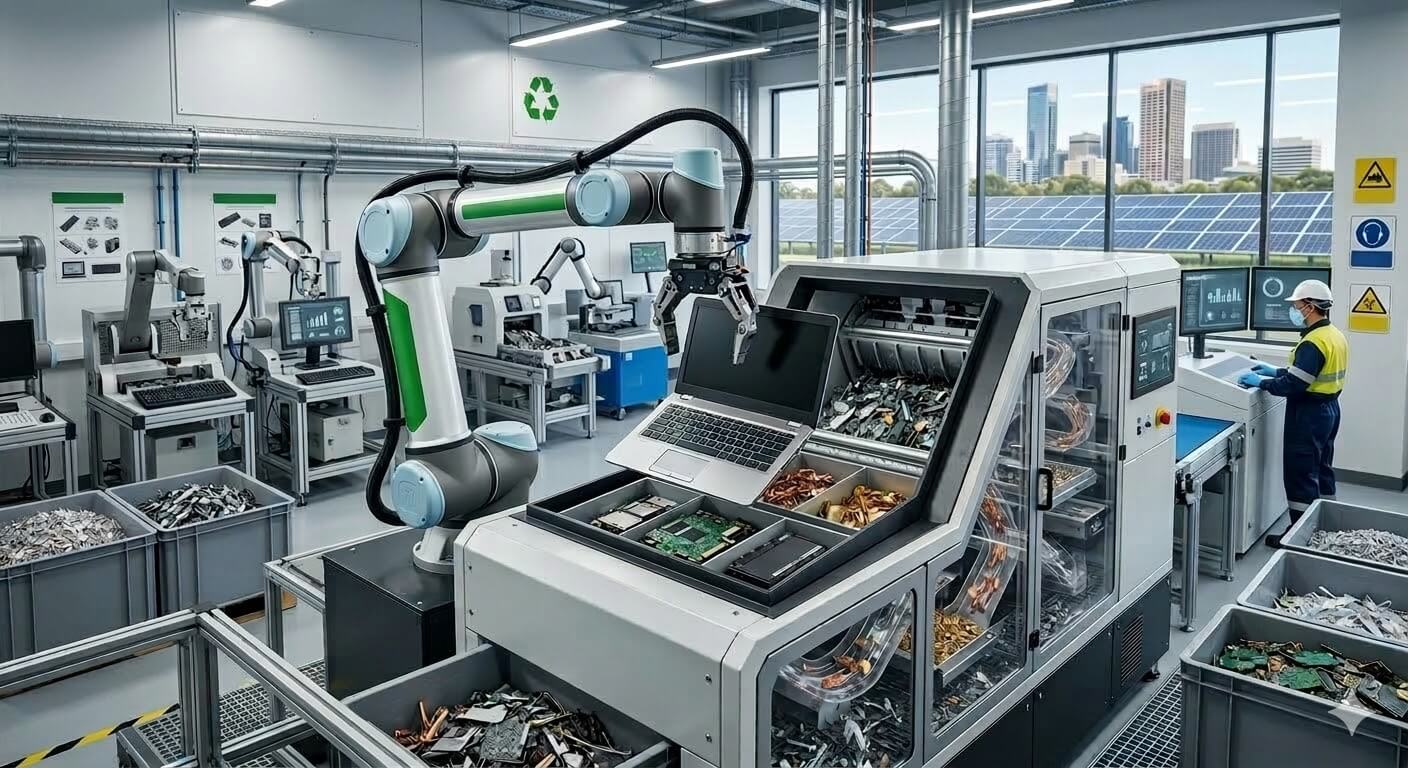
The Future of E-Waste Recycling in Australia
03-16-2026
Technology is evolving rapidly, and so is the amount of electronic waste we generate every year. Businesses and…
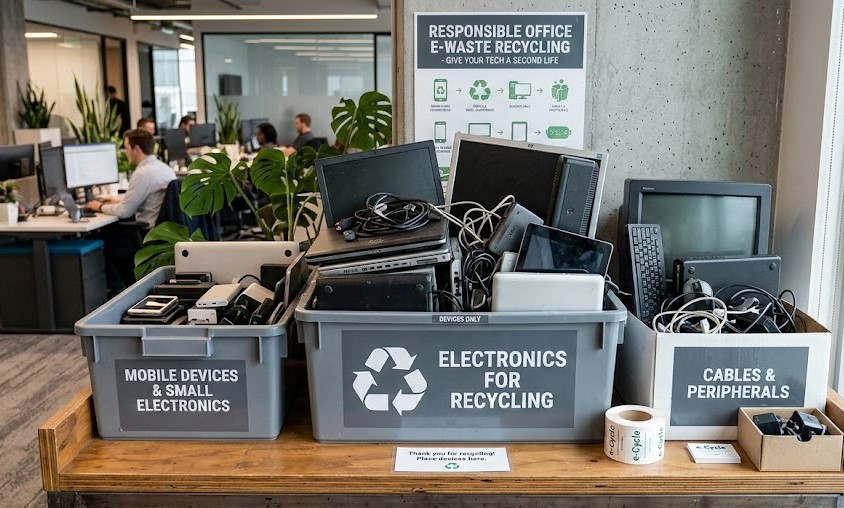
How to Prepare Your Devices for Recycling…
03-04-2026
When it’s time to upgrade your office technology, proper preparation is essential before sending devices for e-waste recycling…
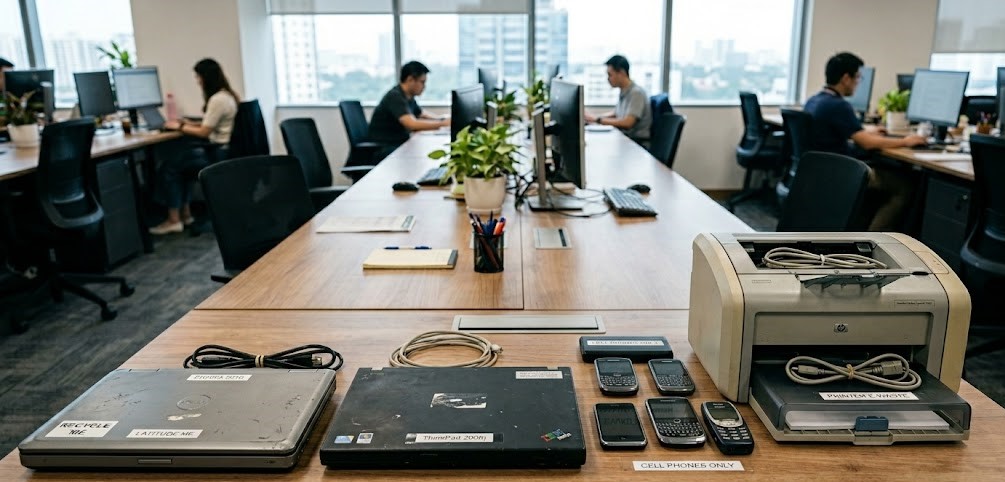
Office E-Waste Recycling Guide for Aussie Businesses
03-04-2026
For businesses, improper e-waste disposal isn’t just environmentally harmful; it can also violate compliance obligations under Australian e-waste…