How Much Gold Is in 1 Kg of Electronic Waste?
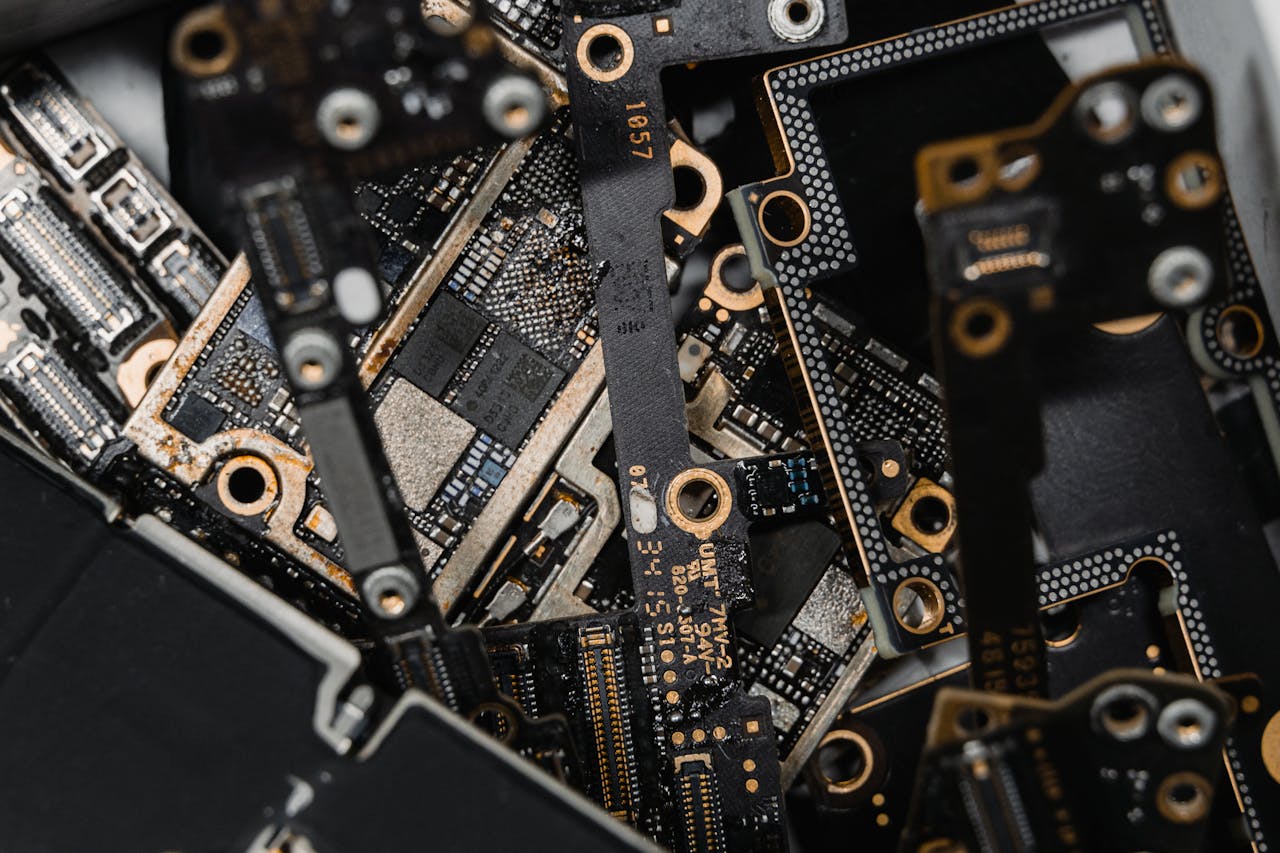
Curious about gold in electronic waste? Explore how much gold can be extracted from 1 kg of e-waste and why responsible recycling matters.
In today’s digital world, electronic waste is growing faster than ever. Old laptops, mobile phones, CPUs, servers, and circuit boards are often thrown away without realising they contain valuable metals, including gold. Many people are surprised to learn that electronic waste can contain more gold than natural gold ore in some cases.
But exactly how much gold can be recovered from 1 kg of e-waste? Let’s explore the reality behind electronic waste recycling, gold recovery, and why proper recycling matters for businesses and the environment.
Understanding Gold in Electronic Waste
Gold is widely used in electronics because it is highly conductive, corrosion-resistant, and durable. Small amounts of gold are found in:
- Printed circuit boards (PCBs)
- CPUs and processors
- RAM modules
- Mobile phones
- Connectors and pins
- Server components
- Telecommunications equipment
The amount of gold varies depending on the type and age of the electronic device. Older electronics often contain more gold than modern devices because manufacturers previously used thicker gold plating.
According to industry research, one tonne of high-grade electronic waste can contain significantly more gold than one tonne of mined gold ore.
How Much Gold Is Found in 1 Kg of E-Waste?
The amount of recoverable gold from 1 kg of electronic waste depends entirely on the material type.
Approximate gold recovery estimates include:
The amount of gold found in electronic waste varies depending on the type and quality of the device. Mobile phones typically contain around 0.03 to 0.05 grams of gold per unit due to the gold-plated connectors and internal components. Computer motherboards generally contain approximately 0.1 to 0.25 grams of gold, while high-grade server boards can contain even higher amounts, ranging from 0.3 to 0.5 grams, because of their advanced circuitry and premium components. In comparison, mixed low-grade e-waste usually contains less than 0.01 grams of gold, making recovery less profitable without large-scale recycling processes.
In general, 1 kg of average electronic waste may contain between 0.02 and 0.3 grams of gold. High-grade circuit boards and server equipment contain higher concentrations.
While that may seem small, the value becomes significant when processing large volumes of e-waste commercially.
Why Gold Recovery from E-Waste Matters
Electronic waste recycling is not just about recovering gold. E-waste also contains:
- Copper
- Silver
- Palladium
- Aluminum
- Nickel
- Rare earth metals
Recovering these materials helps reduce landfill waste and decreases the need for environmentally damaging mining operations.
Studies show that urban mining, recovering metals from discarded electronics, is becoming an important part of the circular economy.
The Process of Gold Extraction from Electronics
Professional recyclers use specialised systems to safely recover metals from electronic waste.
The process generally includes:
1. Collection and Sorting
Electronic devices are collected and separated by type and material value.
2. Dismantling
Devices are manually dismantled to isolate valuable components like circuit boards and processors.
3. Shredding and Separation
Materials are shredded and separated using magnetic, density-based, and electromechanical systems.
4. Precious Metal Recovery
Advanced refining processes extract gold and other metals from the remaining materials.
Modern recycling companies are increasingly adopting safer and more environmentally friendly extraction technologies that reduce the use of toxic chemicals.
Is Gold Recovery from E-Waste Profitable?
At an industrial scale, yes. However, small-scale recovery is often less profitable due to:
- High processing costs
- Specialised equipment requirements
- Safety regulations
- Low gold concentration per device
- Chemical handling requirements
Industry discussions and recycling experts frequently point out that profitability depends heavily on volume and access to high-grade electronic scrap.
This is why businesses usually partner with certified electronic waste recyclers rather than attempting recovery themselves.
Environmental Benefits of E-Waste Recycling
Improper disposal of electronic waste can release hazardous materials into the environment, including:
- Lead
- Mercury
- Cadmium
- Brominated flame retardants
Responsible recycling helps:
- Reduce landfill pollution
- Recover reusable resources
- Lower carbon emissions
- Protect sensitive business data
- Support sustainable manufacturing
Certified recyclers also ensure secure data destruction before devices are processed.
Why Businesses Should Choose Certified E-Waste Recycling
Working with a certified recycler ensures:
- Safe handling of hazardous materials
- Secure data deletion
- Compliance with Australian regulations
- Sustainable recycling practices
- Maximum material recovery
Cyber Recycling provides secure and environmentally responsible e-waste recycling services across Australia, including IT asset disposal, data destruction, and value recovery solutions for businesses and organisations.
Our Recycling facilities process various types of electronic waste, including computers, laptops, servers, monitors, batteries, and printed circuit boards, while recovering reusable materials safely and sustainably.
Final Thoughts
So, how much gold is in 1 kg of electronic waste?
The answer depends on the quality of the material, but on average, electronic waste can contain between 0.02 and 0.3 grams of gold per kilogram. While individual devices may contain tiny amounts, large-scale recycling operations recover valuable quantities of precious metals every year.
More importantly, e-waste recycling protects the environment, conserves natural resources, and supports a sustainable future.
As electronic waste continues to grow worldwide, responsible recycling will become even more important for businesses, governments, and consumers alike.
 Copy Link
Other Blog
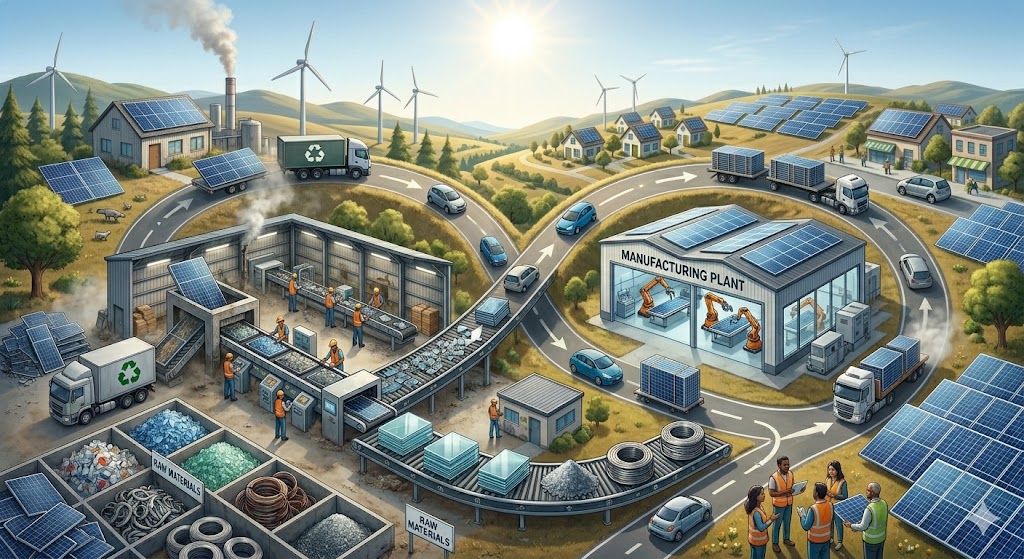
How Solar Panel Recycling Supports a Circular…
06-22-2026
Solar energy is helping Australia move towards a cleaner future. However, as solar panels reach the end of…
How to Delete Mobile Data Permanently Without…
05-20-2026
Old smartphones often contain sensitive personal and business information, including photos, banking details, emails, passwords, contacts, and confidential…
Top 10 Places to Get Cash for…
01-19-2026
Upgrading your smartphone is exciting—but knowing what to do with your old phone can be confusing. Many Australians…