The Future of E-Waste Recycling in Australia
Technology is evolving rapidly, and so is the amount of electronic waste we generate every year. Businesses and households across Australia are upgrading electronics faster than ever before. While this brings innovation and efficiency, it also creates a growing challenge: managing e-waste responsibly.
The future of e-waste recycling in Australia will rely on smarter recycling technologies, stricter environmental regulations, and secure handling of sensitive business data. At Cyber Recycling, we help organisations recycle old IT equipment safely while protecting confidential information through professional data destruction service solutions.
This guide explores how e-waste recycling is evolving and what Australian businesses should expect in the coming years.
Why E-Waste Is Growing in Australia
Electronic devices are being replaced faster than ever. New technology, shorter product life cycles, and digital transformation mean organisations regularly upgrade IT equipment.
E-waste includes items such as:
- Computers and laptops
- Servers and networking equipment
- Monitors and printers
- Mobile phones and tablets
- Cables, batteries, and peripherals
Globally, electronic waste continues to increase rapidly while recycling rates remain relatively low, making proper e-waste recycling essential for environmental protection and resource recovery.
When e-waste is recycled properly, valuable materials such as copper, aluminium, and precious metals can be recovered and reused in new products. This reduces the need for mining and supports a circular economy.
Key Trends Shaping the Future of E-Waste Recycling
1. Smarter Recycling Technologies
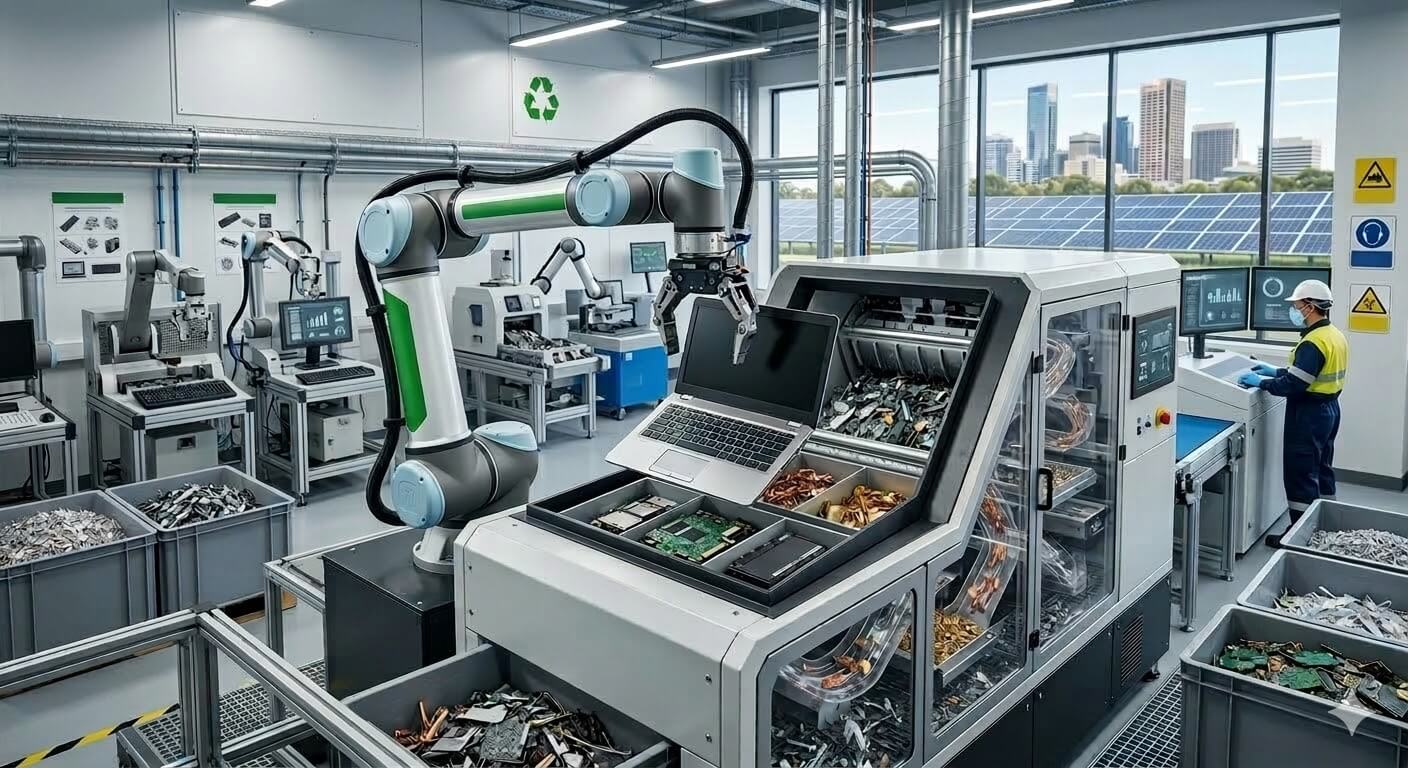
New technologies are transforming how electronics are dismantled and processed. Automated systems using robotics and AI can identify and separate components more efficiently than traditional methods.
These advanced systems improve material recovery rates and reduce waste during recycling processes.
For Australia, this means future recycling facilities will be able to recover more valuable materials from devices while reducing environmental impact.
2. Stronger Environmental Regulations
Governments across Australia are tightening waste management rules and encouraging responsible disposal of electronic equipment.
Programs like the National Television and Computer Recycling Scheme already regulate the recycling of certain electronics. Businesses are increasingly expected to ensure their devices are disposed of through approved e-waste recycling channels rather than landfills.
In the future, more electronic products may fall under regulated recycling programs.
3. Increased Focus on Data Security
Old computers and storage devices often contain confidential information such as:
- Business records
- Financial data
- Customer information
- Employee records
Without proper handling, discarded devices can create serious security risks.
That’s why professional data destruction service solutions are becoming a critical part of e-waste management. Secure processes, such as certified data wiping or physical drive destruction, ensure sensitive data cannot be recovered before recycling.
For businesses handling confidential information, secure data destruction will remain one of the most important aspects of responsible IT disposal.
4. Growth of the Circular Economy
Instead of sending electronics straight to recycling, many organisations now focus on extending the life of their devices.
Future e-waste strategies will include:
- IT asset refurbishment
- Device reuse programs
- Component harvesting
- IT asset value recovery
This approach reduces waste and allows businesses to recover value from outdated equipment.
The Role of Businesses in the Future of E-Waste Recycling
Australian businesses play a major role in reducing electronic waste. Companies can prepare for the future by implementing better IT lifecycle management strategies.
Practical steps include:
- Conduct regular IT asset audits
- Use a certified e-waste recycling provider like Cyber Recycling
- Schedule secure data destruction service before disposal
- Separate e-waste from general waste streams
- Consider refurbishment or resale for reusable equipment
By adopting these practices, organisations can reduce environmental impact while remaining compliant with evolving waste regulations.
What Happens to E-Waste After Recycling?
Modern e-waste recycling involves several key steps:
1. Collection and Transport
Old electronics are collected from businesses or recycling centres.
2. Secure Data Removal
Hard drives and storage devices undergo certified data destruction service processes to eliminate sensitive information.
3. Device Dismantling
Equipment is dismantled into components such as plastics, metals, and circuit boards.
4. Material Recovery
Recyclers extract valuable materials like copper, aluminium, and precious metals.
5. Reuse in New Products
Recovered materials are used to manufacture new electronics and industrial products.
This process reduces landfill waste while conserving natural resources.
Why E-Waste Recycling Will Become More Important
As Australia continues to digitise, electronic waste will only increase. Without proper management, e-waste can lead to:
- Environmental pollution
- Loss of valuable resources
- Data security risks
- Compliance issues for businesses
Professional e-waste recycling services help organisations address these challenges while supporting sustainable waste management practices.
How Cyber Recycling Supports the Future of E-Waste Recycling
Cyber Recycling helps Australian businesses manage electronic waste responsibly through secure and environmentally responsible services.
Our solutions include:
- Secure e-waste recycling for IT equipment
- Certified data destruction service for sensitive devices
- IT asset value recovery
- Collection and responsible recycling across Australia
- Compliance with environmental and data protection standards
By partnering with Cyber Recycling, businesses can safely dispose of outdated technology while protecting their data and reducing environmental impact.
Ready to Recycle Your Old IT Equipment?
If your business has outdated computers, servers, or other electronics, Cyber Recycling can help.
Our professional e-waste recycling and data destruction service solutions ensure your equipment is handled securely, sustainably, and in compliance with Australian standards.
Contact Cyber Recycling today to arrange a secure IT equipment collection and take the next step toward responsible electronic waste management.
 Copy Link
Other Blog
How Solar Panel Recycling Supports a Circular…
06-22-2026
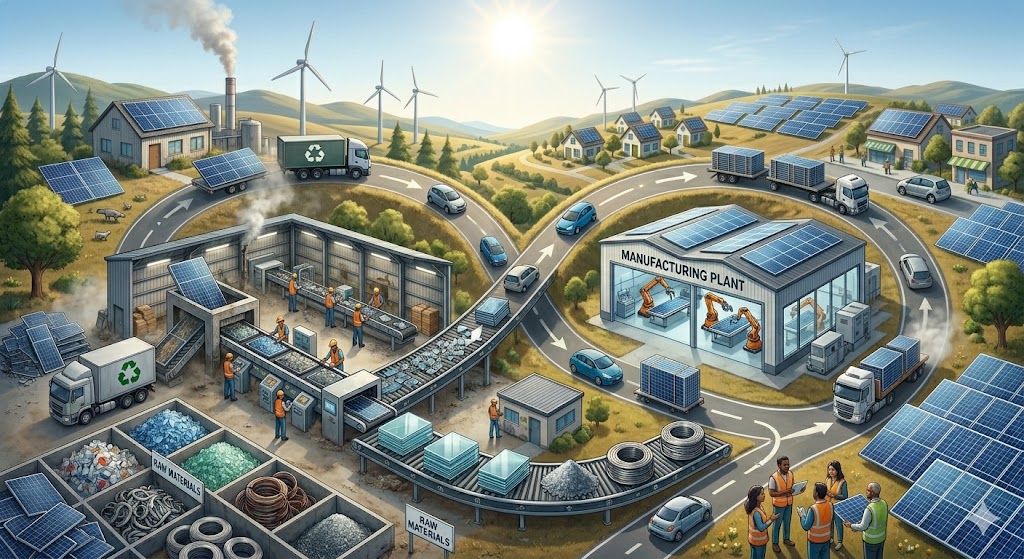
Solar energy is helping Australia move towards a cleaner future. However, as solar panels reach the end of…
How to Delete Mobile Data Permanently Without…
05-20-2026
Old smartphones often contain sensitive personal and business information, including photos, banking details, emails, passwords, contacts, and confidential…
Top 10 Places to Get Cash for…
01-19-2026
Upgrading your smartphone is exciting—but knowing what to do with your old phone can be confusing. Many Australians…