Recycling
Stay informed on e-waste recycling methods, laws, and sustainability practices.
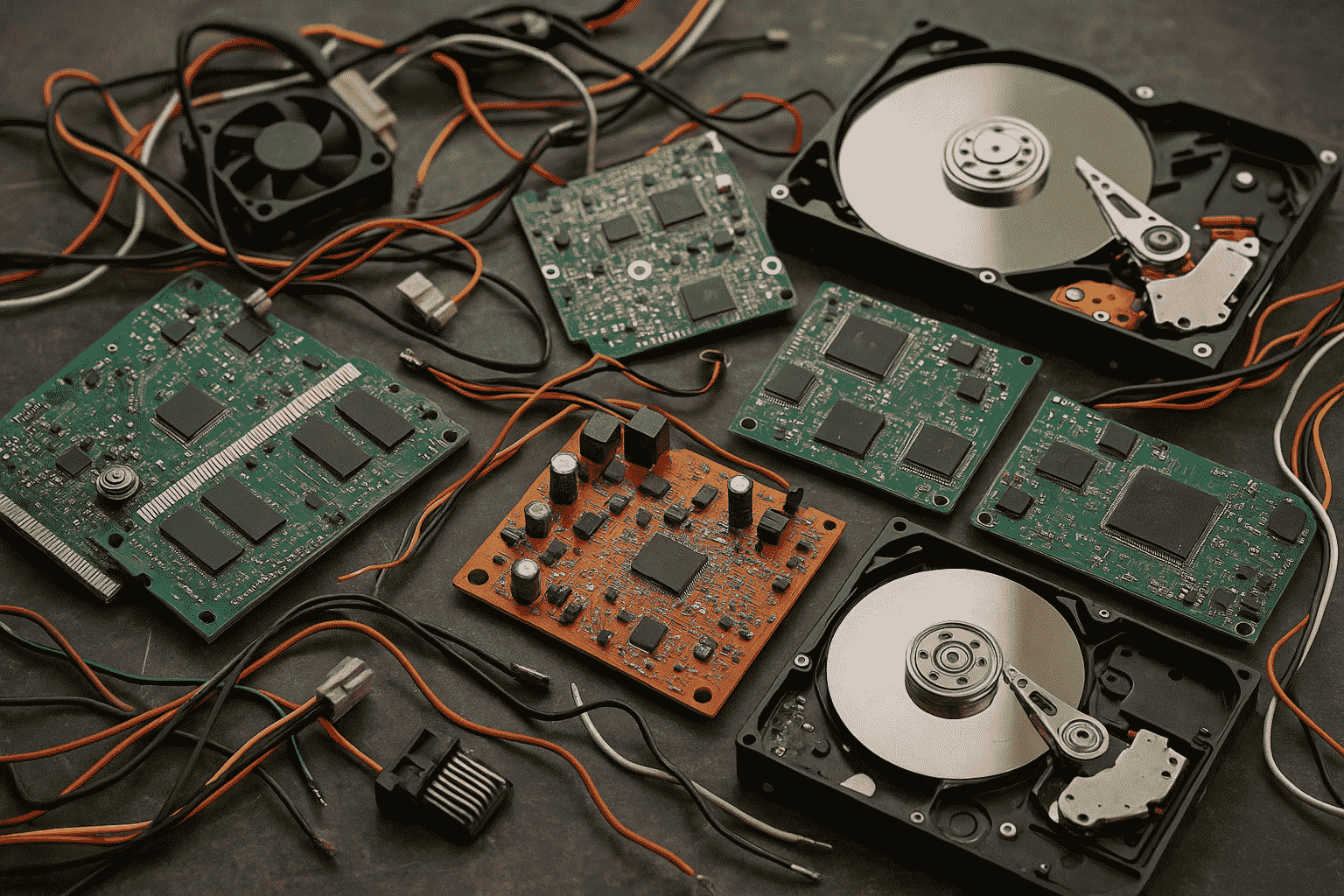
Electronic waste, or “e-waste” as they are commonly known, is growing rapidly worldwide and posing a threat to our environment. Each year, the number of discarded gadgets like phones, laptops, TVs, appliances, and more keeps rising. Most of these electronics contain toxins that are harmful to our environment. A record 62 million tonnes of e-waste were produced worldwide in 2022 alone. To put it in perspective, it is around roughly 40,000 km of 40-tonne trucks lined up end-to-end. Even worse than the volume is the fact that only roughly 22% of this e-waste was properly gathered and recycled.. As a result, precious metals worth around $62.5 billion per year sit idle in landfills, and the potential risk of toxic substances leaking is ever imminent. Here we will focus on what e-waste is and why recycling e-waste is important, how e-waste is processed, a step-by-step guide for consumers to Recycle E-Waste correctly, and offer tips on how to minimize e waste. What Is E-Waste? To start with, “E-waste” refers to any discarded electrical or electronic equipment once it’s no longer wanted or is functional. As you can guess, this often includes a vast range of items we use daily: Computers, laptops, […]
Other Blog
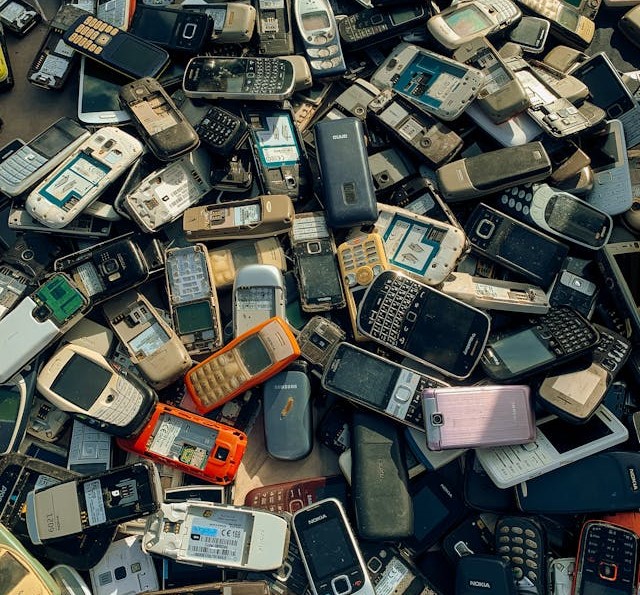
Top 10 Places to Get Cash for…
01-19-2026
Upgrading your smartphone is exciting—but knowing what to do with your old phone can be confusing. Many Australians…
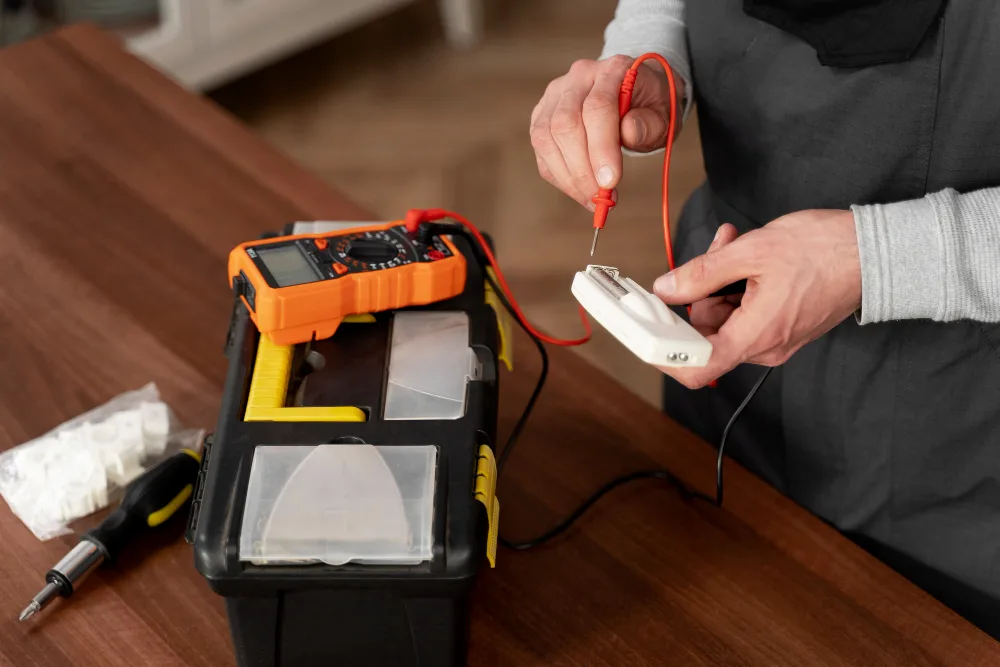
Why Perth Businesses Must Prioritize Test and…
10-14-2025
Every Perth business uses plug-in devices daily, from office computers to power tools and kitchen appliances. But even…
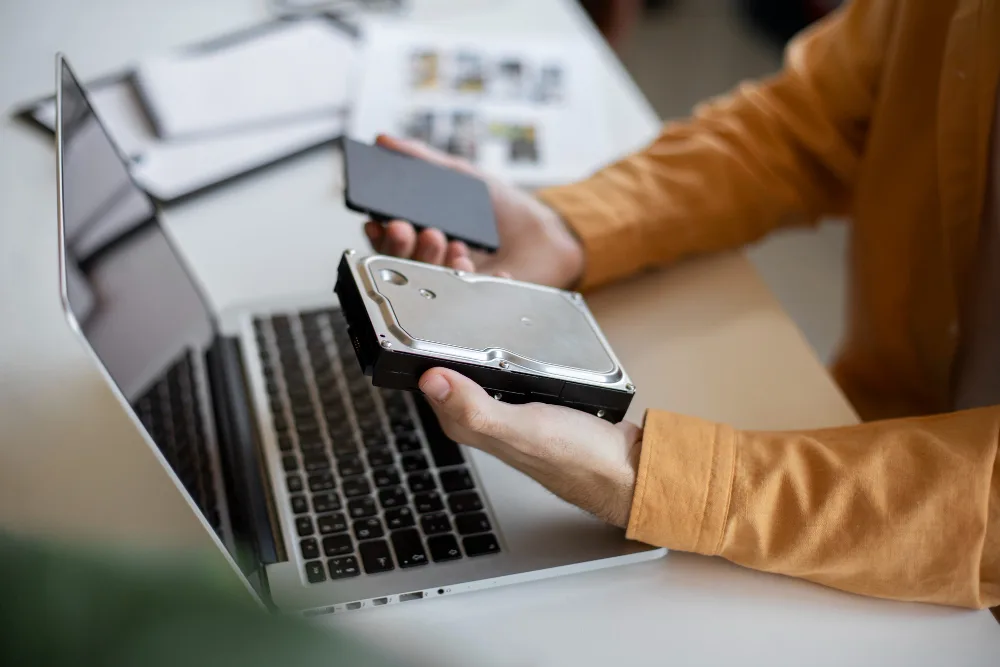
Why Secure Data Disposal Matters in Australia
10-07-2025
Electronic devices are omnipresent in modern business, from laptops and servers to phones and IoT equipment. Eventually, every…